
Why some banks are exploring ‘bring your own AI agent’
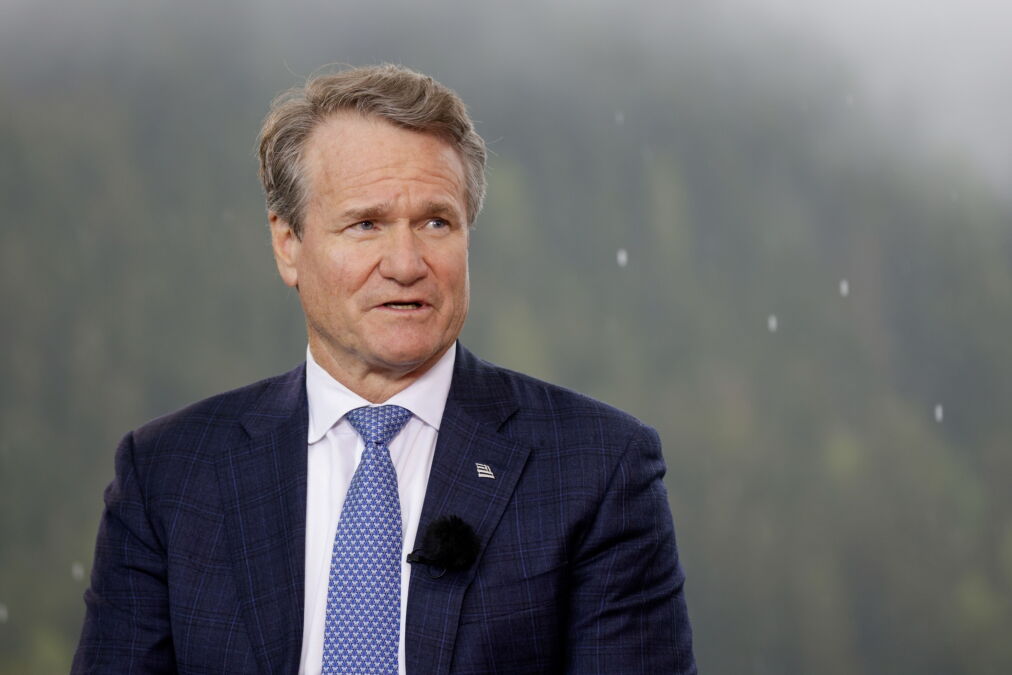
- Key insight: Bank of America, BBVA, Synchrony, and Wells Fargo have joined the Personal Agent Protocol, a framework that allows companies to set parameters for what AI agents can do.
- What’s at stake: Personal agents are growing in popularity, which has spurred some banks to rethink their stance on allowing third-party agents into their systems.
Banks have been
Processing Content
It’s called “bring your own agent.” The idea is that consumers will largely choose which AI agent they prefer to use on a day-to-day basis, and companies — including banks and retailers — should have systems in place that allow for those agents to connect with their infrastructure.
Some financial services companies already allow for that.
Others have taken a less accommodative approach. JPMorganChase, for example, has said that it would
But as personal AI assistants such as
The
“Poppy is built on the principle that customers decide what access to give their personal agents, and companies set parameters for what those agents can do,” according to Sierra.AI. “This enables companies to work with personal agents in the way that is best for their customers: through their existing websites and APIs, or through an agent of their own.”
The protocol is in its infancy, but it signals that banks are exploring ways to allow third-party agents into their ecosystem, according to Richard Crone, CEO of Crone Consulting.
“The banks aren’t going to just limit themselves to their own proprietary AI. They are going to recognize that the consumer is going to want to bring their preferred agent,” Crone told American Banker.
Consumers have been receptive to personal AI agents because it is highly personalized and has a horizontal view of what consumers do across every website, Crone said. As of Sept. 19, Meta Muse had reached 2.5 million cumulative downloads across all platforms in the US since its launch on Sept. 8, according to
Read more:
There’s also a financial incentive for banks and retailers to allow consumers to bring in their own AI agents — specifically in the cost of tokens, Crone said.
“Let’s say [Walmart’s AI agent] Sparky is wildly successful, or if [
“The only way to do this is to delegate that cost to the consumer’s own LLM.
But opening banks’ doors to third-party AI agents is a massive risk, especially as banks face
Still, banks need to find a way to
“For a lot of financial institutions, the first agentic payments have most likely already happened at their bank — they just don’t know about it,” Tozzi said. “It’s important that they hyper focus on making sure that they’re ready for what’s coming 1,2, 3 years down the line, and not waiting to take action until then.”
It’s also important that banks consider how they want to offer agentic experiences, Tozzi said.
“Ultimately, when something goes wrong, the bank is the bearer of trust, and customers are going to call their bank … when something goes wrong,” he said.