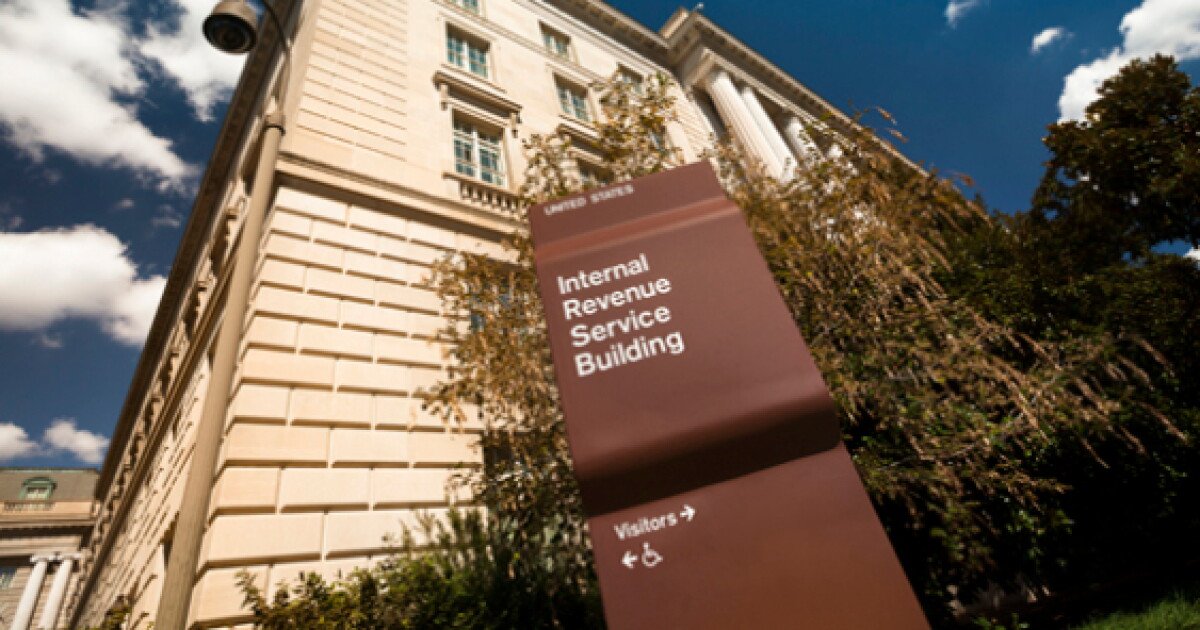
Anti-DEI tax-exempt IRS proposal raising thorny disclosure questions

Private schools issuing tax-exempt bonds since September are navigating complex new disclosure questions prompted by a
Processing Content
For attorneys tasked with crafting the bond disclosure, the question is how to accurately capture the wide range of uncertainties that may come from the proposed rule change, especially since the rule remains in the comment period phase and has yet to be finalized, said lawyers this week at the National Association of Bond Lawyers annual workshop in Chicago, where the proposal was a hot topic across several panels.
Building on the administration’s broader anti-DEI efforts, the IRS and Treasury Department in early September unveiled the
The proposal immediately sparked opposition from a range of school groups, and bond and 501(c)(3) lawyers have
The rule, if finalized, poses an “existential threat” to 501(c)(3) schools and organizations, several NABL panelists said.
From an immediate practical standpoint, the proposal “opens up a lot of hard questions” with regard to determining appropriate disclosure, said Jessica Zaiger with Polsinelli, who spoke on a regulatory panel.
Deals that have come to market since the proposal have shown a “wide array of disclosure,” Zaiger said. “What we’ve seen so far with a handful of deals is that people are taking pretty different approaches,” she said. “You’re disclosing an uncertain and somewhat unknown risk because things could change or the rule may or may not be implemented.”
Disclosure may need to focus both on the borrower’s tax exempt status as well as the tax-exempt status of the bonds, panelists said, as the proposal raises questions about what happens to existing tax-exempt bonds if the borrower loses its 501(c)(3) status.
The rule could affect in particular charter schools, many of which are opened and operated by 501(c)(3) groups, said panelists on charter school financing.
Bond attorneys representing 501(c)(3) clients should start asking their clients early on about their DEI practices and policies, said attorneys.
Disclosing hot potato issues like DEI may be “uncomfortable” but it’s now material, panelists said.
“One thing that’s always challenging with municipal disclosure is that you can get yourself into trouble with politics,” said Dave Sanchez, director of the Securities and Exchange Commission’s Office of Municipal Securities, speaking on the regulatory panel.
“Municipal issuers may not want to disclose something that’s politically uncomfortable,” Sanchez said. “From our perspective, if it’s material, no matter how politically uncomfortable it is, that needs to be disclosed.”
A recent deal brought by the Hudson County Improvement Board, which sold $240 million for 501(c)(3) charter schools BelovED and Empowerment Academy, illustrates one disclosure approach.
A three-paragraph description of the IRS proposal included in bond documents’ risk factors section warned the proposal could increase compliance costs and require changes to policies or practices. If the borrower loses its 501(c)(3) status, the fallout would hit its underlying financial condition and operations as well as drive up borrowing costs, impair market access and “affect the ability of bond counsel to render an unqualified opinion on the bonds.” It could also result in a determination that the bonds are taxable, trigger remedies or redemption provisions, or “adversely affect the market value, liquidity, or marketability” of the bonds, the documents warn. “No assurance can be given that remedial action would be available or effective if any such event occurs.”
NABL is considering commenting on the proposal before the comment period ends Nov. 3, according to several panelists. One recommendation may be to ask the IRS to grandfather in existing tax-exempt bonds of a school that loses its non-profit status, panelists said.
More than 1,100 comments have been filed as of this week. The comment period ends Nov. 3, and an IRS hearing is set for Dec. 2.