Cladding remediation bill imposes legal duty on building owners
The government has launched the Remediation of Unsafe Cladding Bill to Parliament today.
The Remediation of Unsafe Cladding Bill is the latest to be added to a series of remediation efforts by several governments.
In the years since the Grenfell Tower fire, the government has publicly named developers it considers responsible for unsafe buildings. Numerous legislation has come into effect to increase remediation uptake.
Mandating legal responsibility
The Remediation of Unsafe Cladding Bill will impose a legal duty on those responsible for the safety of their buildings – such as freeholders.
For those responsible, they must identify and fix issues without delay. Failure to oblige could result in criminal penalties.
Furthermore, enforcement protocols will be strengthened.
The First-tier Tribunal will be able to issue fines of up to £500,000 to responsible entities that fail to comply with a Remediation Order.
Developers, contractors and other parties that have funded building safety works will have a simpler route to claim back remediation costs from cladding manufacturers where their products contributed to a building being unsafe, removing legal barriers that have often delayed claims.
A new register of all medium-rise residential buildings in England aims to ensure no building is overlooked. Failure to register could lead to fines of up to £7,000, with penalties of up to £40,000 or prosecution for more serious breaches.
Safety net for residents
As an additional precaution, third parties including Homes England and local authorities have the prerogative to intervene and carry out remediation if those liable fail to act.
Leaseholders will also be given further protections if no responsible entity is found. In such instances, clearer legal routes will emerge for leaseholders to assume control of the building’s management to facilitate remediation works.
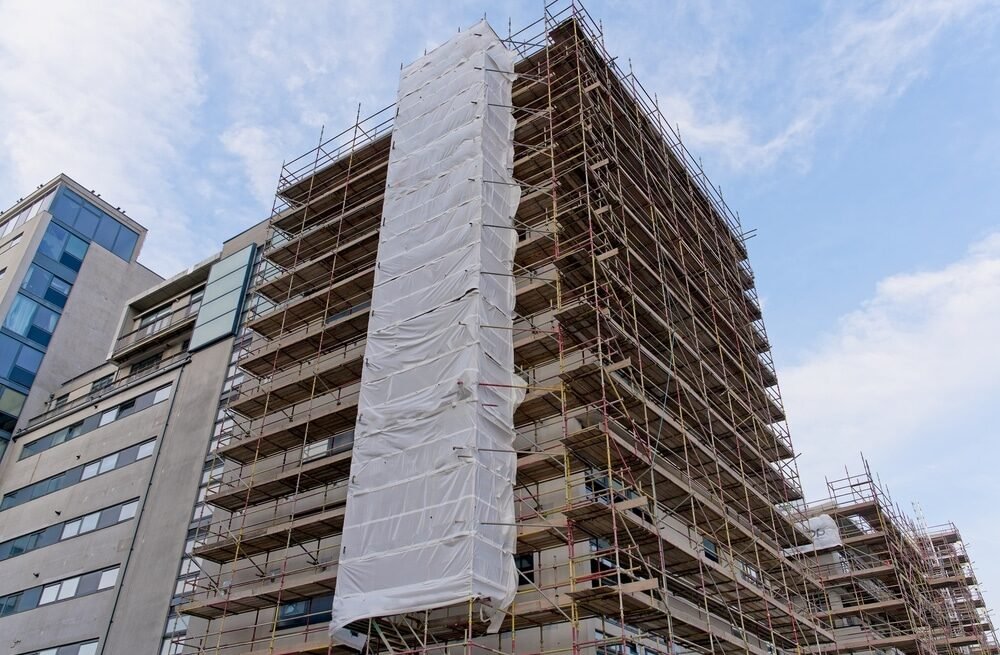
The government still expects all buildings over 11 metres with unsafe cladding to be remediated or have a confirmed completion date by the end of 2029, but tougher enforcement powers will be introduced sooner.
The government anticipates the bill will accelerate remediation for around 12,000 residents.
Charlie Pugsley, acting CEO for the Building Safety Regulator (BSR), said: “BSR is fully engaged with stakeholders to support building owners in fixing known buildings faster. We will continue to support the government as a collaborative and proportionate regulator on the critical issue of remediation on higher-risk buildings across England.”