Implementing New Infrastructure for Stability Among Unhoused Veterans
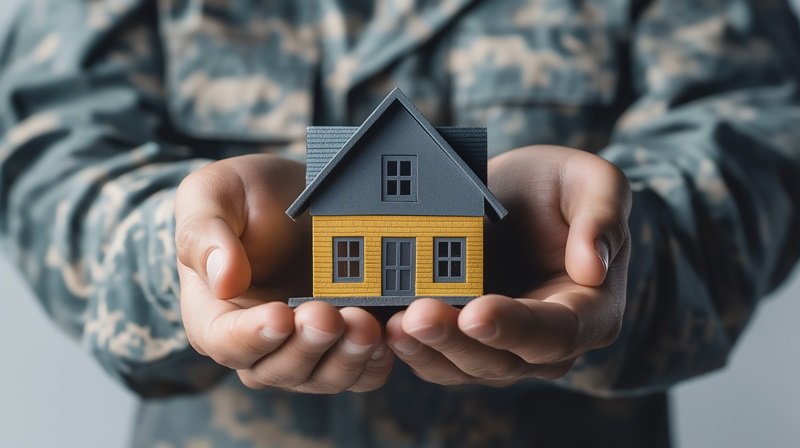
A new Veterans Affairs (VA) report explained that interim housing represents substantially more than a temporary residential arrangement. For Veterans confronting homelessness, it delivers a secure sleeping environment while simultaneously facilitating connections to essential healthcare, housing, employment, and supplementary support services necessary for advancing toward permanent housing solutions.
The Department of Veterans Affairs administers interim housing through two distinct programs: the Health Care for Homeless Veterans (HCHV) Contract Residential Services (CRS) program and the Grant and Per Diem (GPD) program.
The HCHV CRS program furnishes short-term emergency accommodation via community-based service providers, whereas the GPD program delivers extended transitional housing through grants distributed to nonprofit entities and local and tribal governmental bodies.
Both initiatives connect Veterans with customized services addressing their particular circumstances, encompassing case management, clinical intervention, and facilitation of permanent housing placement.
Interim housing extends beyond mere shelter provision. In contrast to conventional shelters serving diverse populations, VA-supported interim housing concentrates exclusively on homeless Veterans. Participants engage in individualized collaboration with case managers who facilitate navigation across healthcare services, mental health treatment, employment opportunities, benefits administration, and permanent housing options aligned with their personal objectives and preparedness levels.
Given the distinctive nature of each Veteran’s circumstances, numerous interim housing facilities deliver services customized to particular requirements. Certain facilities even accommodate pets, affording Veterans reassurance that they need not compromise between pursuing housing and maintaining relationships with their valued animal companions.
Upon a Veteran’s arrival, service providers facilitate comprehension of anticipated experiences through informational materials, consistent communication, and individualized support, collaborating throughout the entire process.
Interim Housing Accommodates Various Phases of the Recovery Process
Some Veterans may harbor concerns that they must achieve sobriety prior to pursuing assistance. Nevertheless, interim housing is frequently structured to assist Veterans navigating recovery obstacles at any point along their recovery trajectory, employing a low-barrier methodology.
This methodology, implemented by CRS and GPD providers, acknowledges that recovery does not always follow a linear progression. Veterans are not obligated to maintain a period of sobriety to qualify for interim housing consideration. Should a Veteran experience a relapse, providers collaborate with them to facilitate connections to necessary care and support while maintaining focus on their housing objectives.
Veterans should not experience unnecessary delays in obtaining access to secure temporary accommodation. Historically, securing interim housing has required multiple weeks due to circumstances including bed availability constraints, referral protocols, and coordination challenges between outreach personnel and housing organizations.
The VA is committed to establishing adequate capacity, including financing over 11,000 GPD beds through conditionally approved grants. The VA is additionally collaborating with providers nationwide to enhance accessibility and facilitate same-day admission options where feasible.
Even under optimal conditions, the process of locating an affordable residence, submitting benefit applications, obtaining employment, and addressing medical requirements typically requires several months.
When Veterans have access to secure housing, they are able to focus on advancing their recovery, utilizing healthcare resources, pursuing career opportunities, and preparing for the demands of self-sufficient living. Through collaboration with direct service providers in GPD and CRS, including case management professionals, Veterans work diligently toward acquiring permanent housing, positioning interim housing as a transitional mechanism to sustained stability rather than merely another temporary arrangement.
Interim housing represents not a cessation in the process or a postponement on the trajectory toward permanent housing, but rather a critical component of the overall progression. By offering Veterans a secure, dependable residence while these objectives are being accomplished, interim housing mitigates the physical and psychological health risks inherent to homelessness and establishes the groundwork necessary for advancement.
Organizations seeking to deliver interim housing services through VA grants or contracts must satisfy the eligibility standards specified in the funding announcement. Upon contract or grant approval, the VA implements initial and ongoing annual inspections, incorporating specialists from various fields: fire safety assessment, nutritional evaluation, clinical review, security and law enforcement assessment, pharmaceutical review, and network homeless coordination or designated representative.
The VA additionally conducts unannounced inspections throughout the year, guaranteeing that Veterans consistently receive dependable, superior-quality care and housing. Should an inspection reveal deficiencies, the provider is obligated to implement corrective measures. In certain instances, remedying the deficiency may necessitate a structured corrective action protocol.
Each Veteran’s pathway to overcoming homelessness is distinct and individualized. Transitional housing programs prioritize respecting Veterans’ autonomy and decision-making while facilitating their progression toward stable, permanent housing solutions. Upon a Veteran’s readiness to advance to the subsequent phase, the Department of Veterans Affairs and its collaborative partners remain committed to providing comprehensive resources, professional services, and dedicated support to facilitate their continued progress.
To learn more about about VA programs, click here.