Fed’s Waller says higher U.S. yields could cool global demand
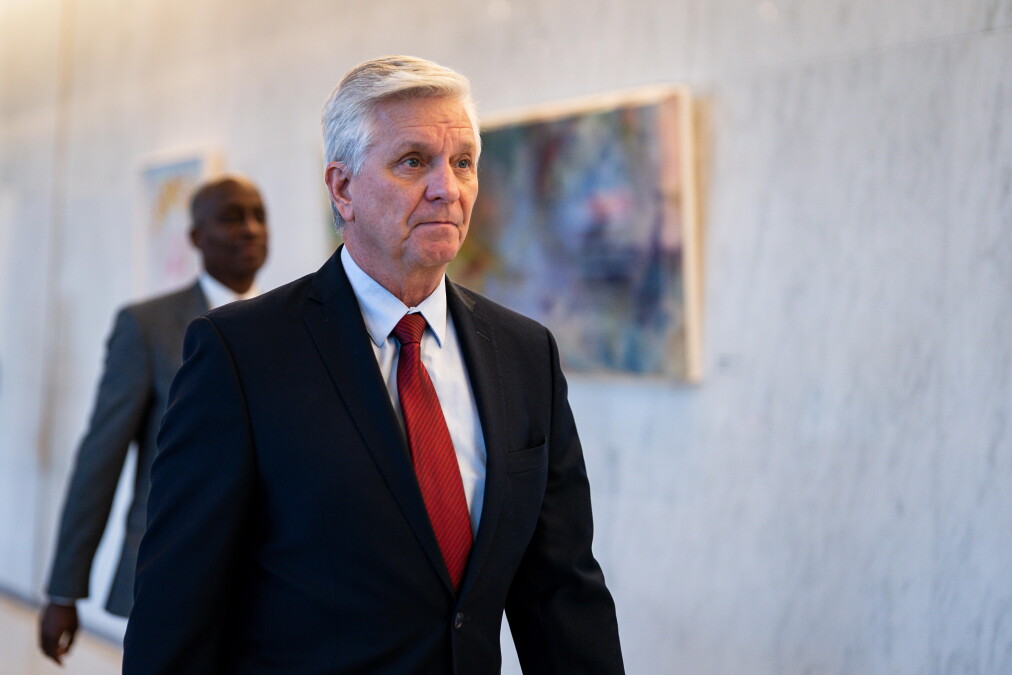
(Bloomberg) — Federal Reserve Governor Christopher Waller said the surge in long-term U.S. Treasury yields is helping to curb demand in interest-rate-sensitive sectors such as housing and automobiles, doing some of the work of tighter monetary policy.
Processing Content
“When yields go up, is that going to impact interest-sensitive sectors like housing and autos and other things? Yeah, of course it is,” Waller said at Bloomberg’s New Economy Forum in New Delhi on Tuesday. While that isn’t the Fed’s intention, higher yields are “doing a little bit of the work,” he said.
Yields in the U.S. and other advanced economies have climbed to
The Federal Open Market Committee
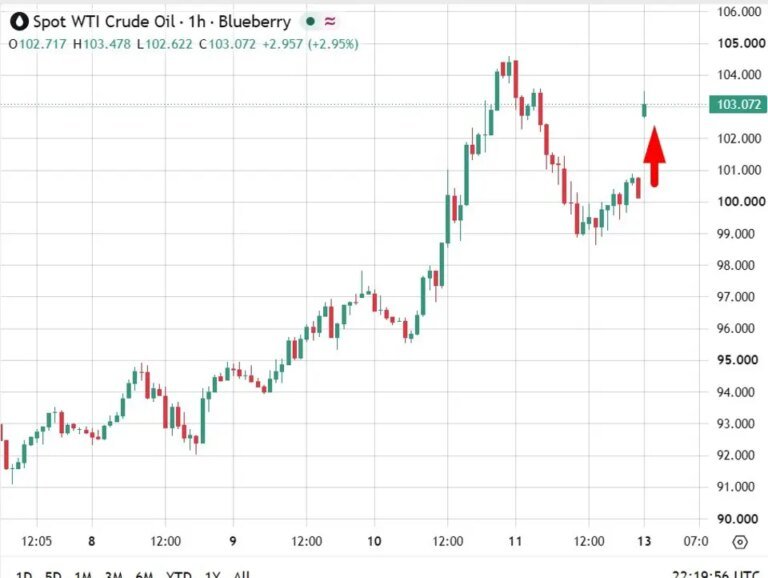
Economists forecast that inflation data due Wednesday will show the headline rate accelerated in September on the back of energy costs due to the US-Iran war. Core prices, however, are expected to have moderated.
Artificial intelligence is also putting upward pressure on prices as the rapid build-out of AI infrastructure fuels demand, Waller said.
“Obviously, if you’re building out several trillion dollars of investment in AI and you have to buy all that stuff, and your demand is perfectly inelastic, you’ll pay whatever price,” Waller said. “You’re going to bid up the price of all semiconductors of all type, and that’s going to spill over to anybody else who uses those products. And that’s what we’re starting to see in the U.S.”
Waller is among many Fed officials who are hopeful that AI can eventually raise productivity gains, enabling stronger growth without generating excess inflation over the long-term. But he said that payoff may still be a few years off — and meanwhile the AI-driven price pressures could last for two or three years.
‘There Is a Threat’
Asked about the threat to his job from President Donald Trump — who’s repeatedly attacked the central bank for not bowing to his demands for lower rates — Waller said he trusts in Congress and the US courts to preserve the central bank’s autonomy.
“There is a threat to Fed independence by the administration,” said Waller, who was appointed by Trump during the president’s first term. “So far, it hasn’t really succeeded.”
In his second spell in office, Trump has sought to oust former Chair Jerome Powell, who remains a board governor, and Governor Lisa Cook to make way for his own appointees. His pressure campaign has revived debate about how much influence a president should have over monetary policy. Most economists reckon central banks get better results on inflation if they’re left alone to do the job.
Trump’s pressure campaign isn’t over. This month the White House announced the