Fed’s Waller says AI-fueled inflation could persist for years
Don’t expect demand-side inflationary pressures from the artificial intelligence build-out to subside any time soon.
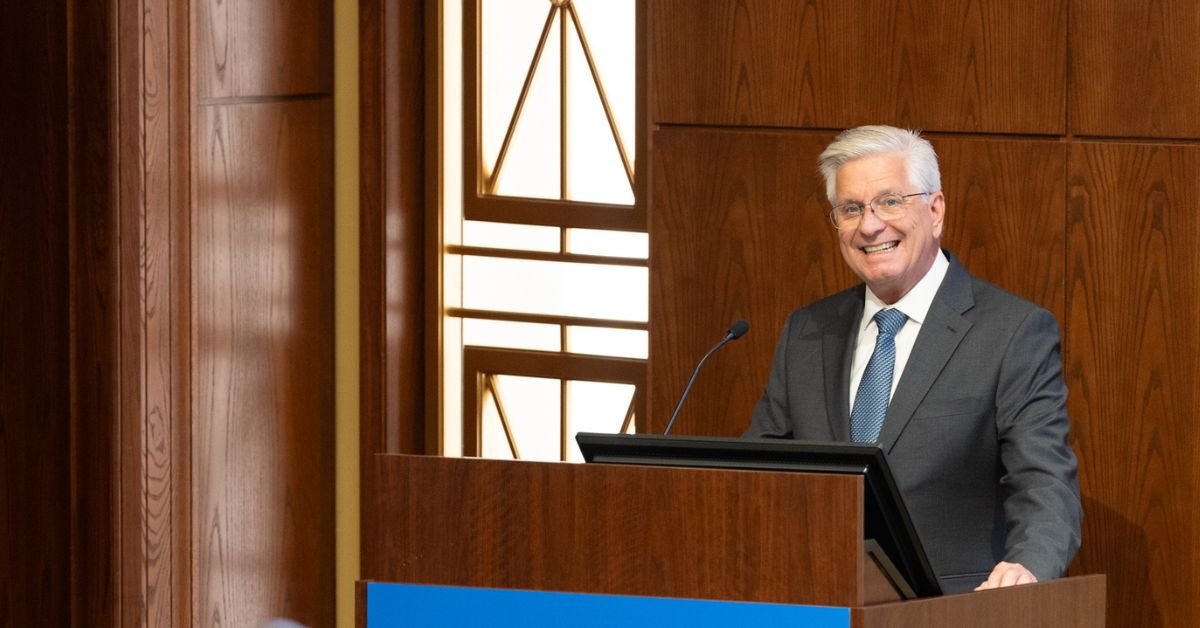
That was the message from Federal Reserve Governor Christopher Waller after Bloomberg’s Saleha Mohsin asked him Tuesday morning when cost pressures exacerbated spending and investment related to AI may dissipate from the U.S. economy.
“Could last anywhere from two to three years, given how much they’ve committed already to spend out in the future,” responded Waller.
Advertisement
Anticipated productivity gains from AI, meanwhile, “are still a few years out,” he added, answering questions during a discussion at the Bloomberg New Economy Forum in New Delhi. If and when they emerge, productivity gains are broadly anticipated to put downward pressure on inflation over the long run.
Inflation has reaccelerated in 2026 due to a range of factors including energy and trade shocks from wars in Iran and Ukraine, Trump administration tariffs, labor force disruptions and AI spending.
“From all the plans that I’m hearing from the hyperscalers, they’re still planning on spending trillions of dollars over the next three years,” continued Waller, “so this demand pressure may still be there and we just have to decide how we want to respond to that.”
Raising its benchmark interest rate in September for the first time in three years represented one initial response from the U.S. central bank as inflationary impacts of AI emerge. Additional hikes to the federal funds rate will likely be necessary, Fed officials agree, to return inflation to their stated 2% target.
Waller said during a central banking summit in Turkey last week that he expects the need for “additional hikes to support a timelier return of inflation” to the Fed’s goal, but he also emphasized “some flexibility about when those hikes will occur.”
But Fed policymakers have also acknowledged that higher short-term borrowing costs are unlikely to slow down spending by companies driving the AI expansion. Those companies are bidding up costs for skilled trades workers, construction materials, electronics components and land.
“I’m under no illusion that raising interest rates will reopen the Strait of Hormuz, will lower energy prices, or will materially stop the data center demand,” said Cleveland Fed President Beth Hammack on Tuesday during an annual gathering business economists.
But Waller clarified on Tuesday that higher inflation expectations from AI are not the driver of higher U.S. Treasury yields that have surged over the past two quarters. Those yields influence consumer borrowing costs for mortgages and auto loans.
With rates on 10-year and 30-year government debt currently well above 5%, he acknowledged that higher yields are doing “some of the work” that additional rate hikes might achieve in cutting consumer demand in rate-sensitive sectors that are typically responsive to tighter Fed policy.
“Inflation expectations are well-anchored, so all the buildup is not coming from an inflation premium,” said Waller. “That’s not where it’s coming from.”
Rather, expectations for higher economic growth, “general fiscal concerns” and competition for investor dollars due to massive AI bond issuance are the primary drivers of higher government yields, said Waller.
Treasurys have also lost their safe-haven status, or “convenience yield,” he explained, which can contribute anywhere from 50 to 70 basis points to higher yields.
“That safety, liquidity premium on U.S. Treasurys is gone,” said Waller, citing academic research that he has seen but is not yet published. “It’s gone.”