Two people spend ₹30,000 on credit cards, but one may have a lower credit score. Here’s why it happens
You may spend ₹30,000 on your credit card every month and see your credit score take a hit, while a friend spending the same amount sees no such impact. The difference could lie in your respective credit limits, which determine how much of your available credit you are using.
This is where your credit utilisation rate comes into play. If you have multiple credit cards at once, the utilisation rate is calculated across them collectively, rather than being assessed separately for each card.
Let’s say you and your friend each spend ₹30,000 on your credit cards every month. Your friend has a total credit limit of ₹1 lakh, while you have a limit of ₹50,000. Your credit utilisation rates would be 30% and 60%, respectively.
Despite spending the same amount, you have a higher credit utilisation rate, which could negatively affect your credit score.
Why can a heavily used card affect your credit score?
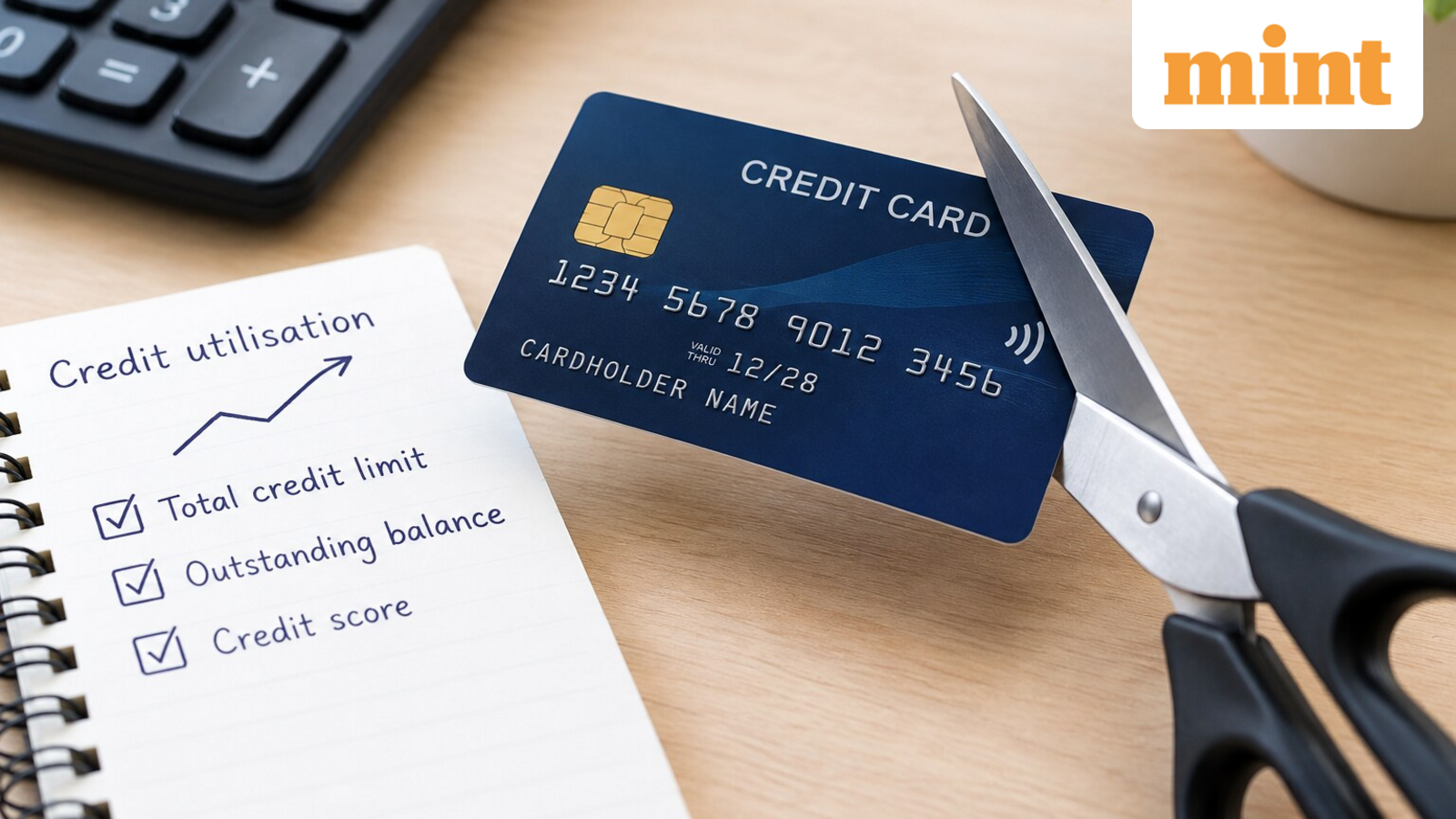
Credit utilisation rate refers to the percentage of a person’s available credit limit that they are using at a given time. It is calculated by dividing that person’s outstanding credit card balance by their total available credit limit.
Lending institutions are very particular about this metric. They closely monitor a borrower’s credit utilisation ratio because consistently higher utilisation may indicate financial stress or a reliance on credit to meet day-to-day expenses, even if the borrower usually pays their bills on time.
Credit utilisation is one of the factors reflected in credit assessments, with lenders and credit bureaus such as TransUnion CIBIL, Experian and CRIF High Mark. A lower credit score can affect your ability to secure future loans, the credit limit offered to you or the interest rate on such borrowings.
Hence, keeping your credit utilisation ratio below 30% is generally recommended to maintain a healthy credit score. Exceeding this threshold can negatively affect your score, particularly if high utilisation persists over time.
How to keep your credit utilisation low?
You can improve your credit utilisation ratio by adopting responsible credit practices, paying your dues on time, increasing your credit limits after discussing with your lender, and avoiding maxing out your credit cards, even during festivals or functions. Here’s what a blog post by CRIF High Mark advises:
- Reduce your credit card spending: Limit unnecessary purchases and prioritise essential expenses to keep your outstanding balance under control. The lower your outstanding balance relative to your credit limit, the lower your credit utilisation ratio.
- Ask for a credit limit increase: If you have a stable income and a decent repayment history, consider asking your card issuer for a higher credit limit. This can lower your utilisation ratio without reducing your spending, provided your outstanding balance remains unchanged. However, avoid increasing your spending simply because you have access to more credit.
- Keep accounts open: Another mistake most people make is closing their old or unused credit accounts. Doing so lowers your total available limit, which can make your utilisation ratio go higher. That’s why one of the easiest tips to keep credit utilisation low is simply to keep your credit accounts open, even if you rarely use them.
In conclusion, credit utilisation is not about how much balance you have, or how much risk you can take, but it is about how wisely you can use it and showcase credible, trustworthy and integrity-driven financial management to further improve your future borrowing power.