Online betting has major impacts on bank customers’ behavior
- Key insight: As young customers gravitate to online betting, bankers should be offering education about building a secure financial future.
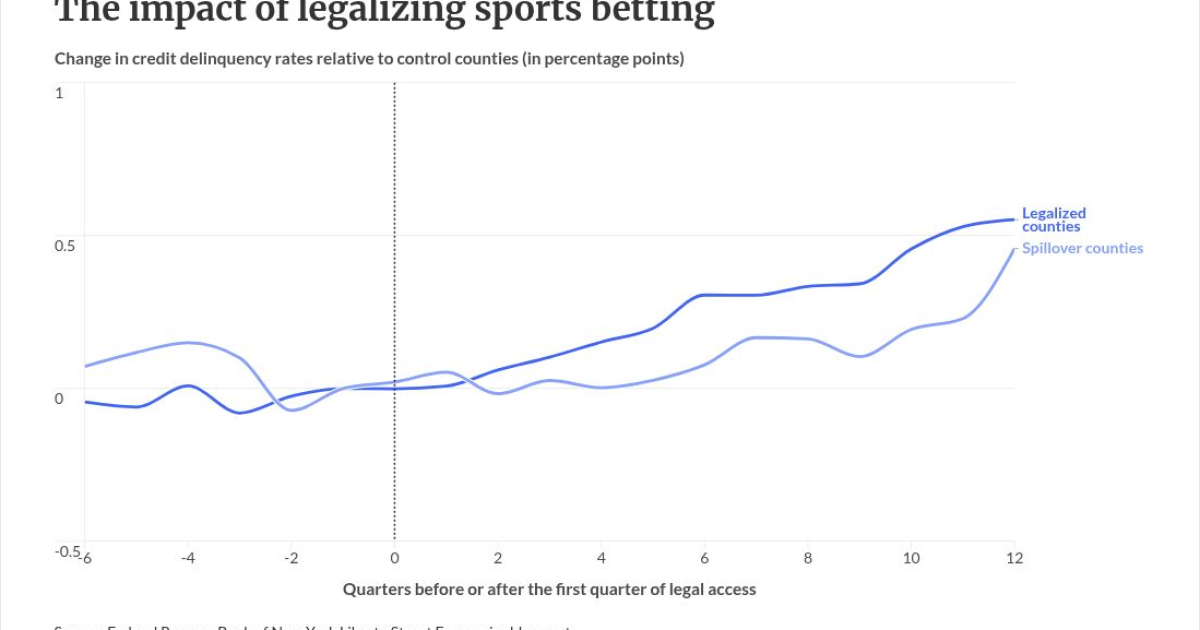
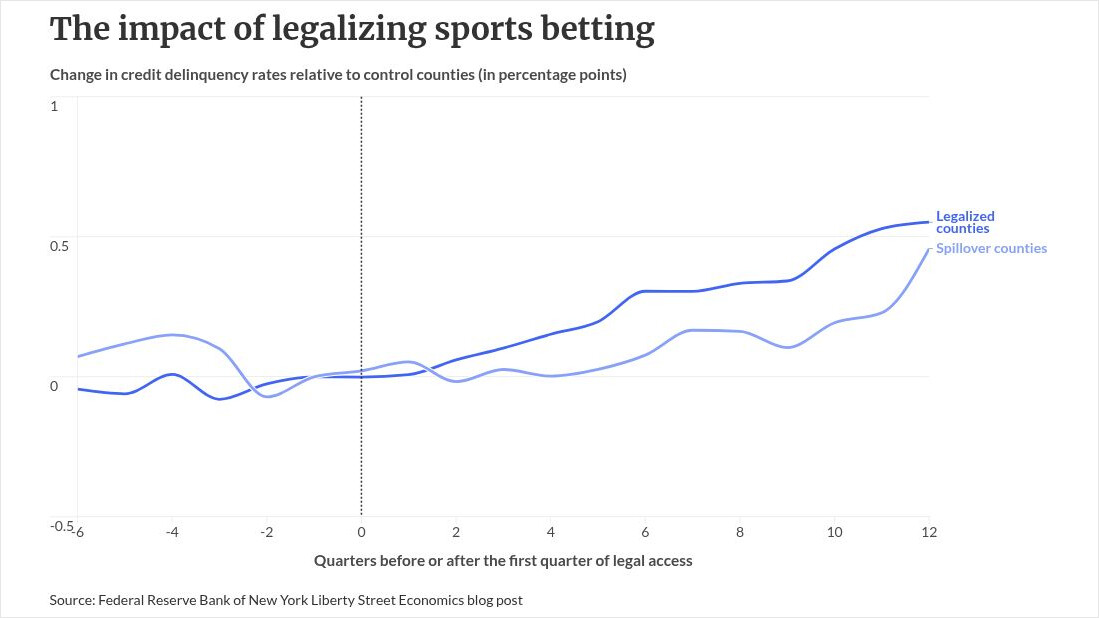
- What’s at stake: In states where sports betting is legal, studies have linked gambling activity to credit score drops, increased bankruptcies and lower household savings rates.
- Supporting data: A Northwestern Mutual study found that 73% of Americans are drawn to high-risk, speculative assets such as sports betting or prediction markets because they feel financially behind and are seeking investment paths to improve their position.
Processing Content
Betting culture is particularly on my mind as the parent of an 18-year-old son who recently started his freshman year of college. Viewers who simply turn on a college football game are bombarded by messaging and commercials encouraging this financial habit. An
As more customers engage in this activity, institutions should be aware of how this spending trend could affect financial health. In states where sports betting is legal,
Betting prevalence among consumers is a question that comes up often in conversations with our partners at Filene, as they heard from institution executives with concerns about gambling rates among their customer bases. That provided the impetus for us to dig into the data and shed more light on this emerging financial behavior, using anonymized, aggregated transaction data encompassing more than 30 institutions and more than 1.7 million account holders.
By analyzing the anonymous data, several key insights stood out.
Younger customers make up a higher share of bettors. Gen Z and millennials accounted for 46% of account holders, but they represented approximately 70% of bettors. While 10% of Gen Z and 8.5% of millennials showed betting activity in their transactions, this rate was under 2.5% for boomers.
More than 9% of checking account holders have gambling or prediction market transactions. The number may seem small, but it is still a meaningful portion of account holders, especially when applied to a larger customer base. It is also important to consider what drives the activity within this concentrated group. A
Read more:
Bettors are not saving like non-bettors. Checking balances appear similar between bettors and non-bettors. However, non-bettors are building savings, money market and certificate balances, while bettors do not display these financial behaviors. Heavy bettors also had a 56% lower median deposit account balance compared to casual bettors. There was a clear pattern in the data: The higher the betting activity, the lower deposit balances fell.
This may only be the floor of consumers’ gambling activities. Anywhere they are gambling outside of institution cards or accounts is invisible to our analysis, so the real number is likely higher. While this is not a definite cause for concern or a factor driving deposit erosion, the transaction data makes it clear that this activity is more widespread than institution executives may expect.
My biggest takeaway and call to action after exploring the data: Are institutions aware of their account holders’ transaction habits today? For those that have not analyzed their customer base, the first step is looking into the data to learn how prevalent this behavior is among account holders. Even in states that do not allow online gambling, consumers can participate through prediction markets, where we saw a staggering 1,400% increase in money movement in the last six months.
Exploring the transaction data should not be about institutions passing judgment on those who gamble but rather taking an opportunity to appreciate their needs and refine engagement. If these are the financial activities younger customers gravitate toward, institutions should consider communication strategies that account for their habits and provide relevant solutions or services that speak to their circumstances. That could mean offering educational resources on betting and prediction markets, proactively encouraging customers to establish savings accounts, or providing guidance on sound long-term investment strategies.
The industry may not have all the answers on where this trend is headed, but the best thing institutions can do is start the conversation. Institutional leaders should become educated executives and ensure the board knows how betting is showing up among account holders. This behavior is quickly evolving, and every institution should be proactively invested in learning how financial needs are shifting and ways to respond that will help consumers achieve stronger, long-term financial outcomes.