Mortgage Rates Hit New 3-Year High as Fed Official Says More Hikes Are Needed
Mortgage rates climbed to a fresh three-year peak this week, propelled upward by a toxic blend of inflation fears, a global bond selloff, and rising concerns about government deficits.
The average rate on 30-year fixed home loans reached 7.40% for the week ending Oct. 8, up 12 basis points from 7.28% the previous week, according to Freddie Mac. For perspective, rates averaged 6.30% one year ago.
“As market conditions continue to evolve, borrowers should remember that shopping around for a mortgage rate and getting multiple quotes can potentially save them thousands over the loan’s lifetime,” says Sam Khater, Freddie Mac’s chief economist.
Two weeks ago, the average mortgage rate crossed the 7% threshold for the first time in 19 months. Thursday’s print hits its highest level since mid-November 2023.
Mortgage rates have now been on an upward trajectory for seven consecutive weeks, mirroring the ascent of the 10-year Treasury yield, which averaged 5.28% this week, up 9 basis points from the week before.
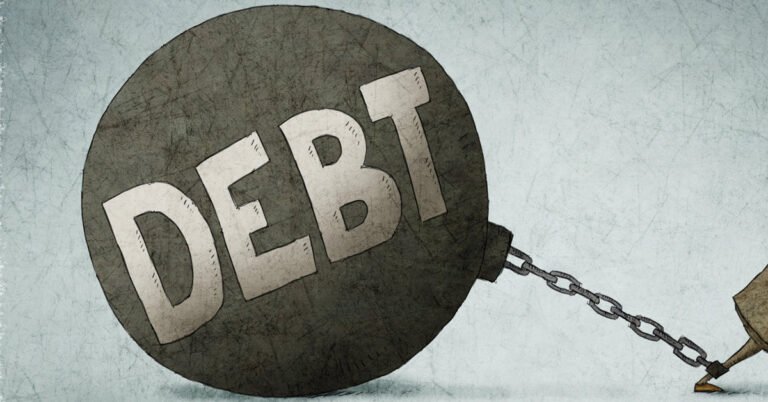
The yield has been driven up by falling bond prices resulting from macroeconomic pressures across major global economies tied to spikes in energy prices and inflation, ballooning national debt, and outsized capital expenditure for AI projects.
Despite the weak jobs report for September, the Federal Reserve remains poised to raise rates rather than lower them in the near future.
On Thursday, Fed Gov. Christopher Waller said Thursday that more hikes are needed to bring inflation down after it has been running about the central bank’s 2% target for more than five years now. However, Waller noted that the rates did not need to rise immediately.
“The hikes do not need to come at consecutive meetings,” Waller told a Central Bank of Turkey forum in Istanbul. “But they should be in place in an acceptable period of time.”
This hawkish rhetoric from the Fed suggests that any potential rate relief is to come primarily from an end to the conflict in Iran, which would alleviate the pressure on oil prices that has been fueling high inflation expectations.
Financial markets currently put the probability of the Fed holding interest rates steady at their current 3.75%-4% range at the next Federal Open Market Committee (FOMC) meeting this month at roughly 78%, according to CME FedWatch. A rate hike at the December meeting is considered more likely.
How this impacts the housing market
“These elevated mortgage rates have the housing market spooked,” says Realtor.com® senior economist Joel Berner.
Pending home sales fell year over year in both August and September even before rates topped 7%, and sellers have been forced to slash prices at a rate not seen in four years.
The increased costs of financing a home purchase have discouraged buyers already squeezed by affordability constraints. The silver lining is that those able to buy in cash are experiencing very favorable conditions, with prices down 1.4% year over year and for-sale inventory up 5.4% year over year.
As financing a home purchase gets more challenging for the average buyer, inventory is piling up on the market. Nationally, active listings are up 6.7% from a year ago, marking the fastest pace since February.
However, new listings fell 4.1% year over year last week as sellers pulled back in response to cooling buyer demand. Still, homes are spending one less day on the market than last year, which suggests sellers are pricing more realistically.
“Today’s rates may feel frightening, but the right strategy can keep your home search from becoming a nightmare,” says Berner.
Recent Realtor.com research on the likelihood of various levels of rate changes shows that accounting for 50 basis points of rate movement in the three months leading up to a home purchase has an 80% chance of predicting the future mortgage rate, so a modest buffer to your budget can prevent a major monthly payment scare.
Improving your credit score, shopping across multiple lenders, and increasing your down payment can help to beat the headline rate as well.
How your credit score affects your mortgage
Your credit score plays a role when you apply for a mortgage. A credit score will determine whether you qualify for a mortgage and the interest rate you’ll receive. The higher the credit score, the lower the interest rate you’ll qualify for.
The credit score you need will vary depending on the type of loan. A score of 620 is a “fair” rating. However, people applying for a Federal Housing Administration loan might be able to get approved with a credit score of 500, which is considered a low score.
Homebuyers with credit scores of 740 or higher are typically considered to be in very good standing and can usually qualify for better rates, which can reduce monthly payments.
Different types of mortgage loan programs have their own minimum credit score requirements. Some lenders have stricter criteria when evaluating whether to approve a loan. Ultimately, they want to make sure you’re able to pay back the loan.
Get real estate news in your inbox