RBI to firm up views on Irdai’s proposed insurance commission overhaul | Banking
The Reserve Bank of India (RBI) will firm up its views and submit comments to the Insurance Regulatory and Development Authority of India (Irdai) on its consultation paper proposing an overhaul of commissions paid by insurers to distributors, including agents, banks, corporate agents, brokers and other intermediaries.
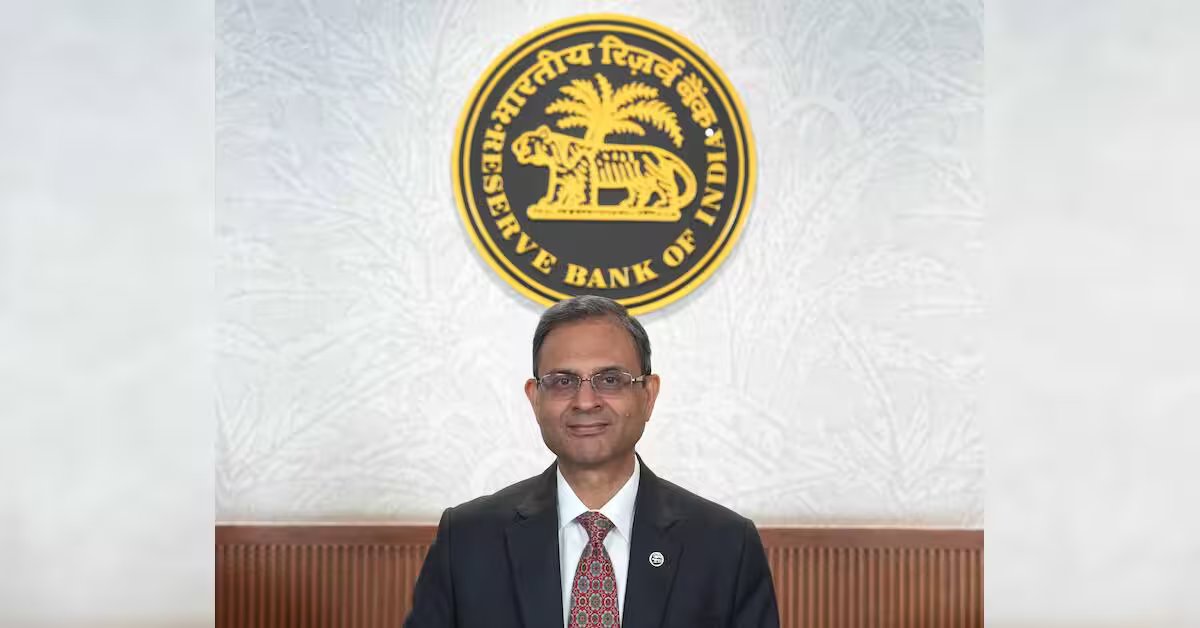
“It is a draft, so they (Irdai) will take comments from all stakeholders, including the industry and consumer groups. It is primarily in the consumer’s interest to reduce costs and, at the same time, to prevent or reduce mis-selling. They will take a call in the best interest of consumers and the industry,” RBI Governor Sanjay Malhotra said at the post-monetary policy press conference.
He added that the matter falls within the purview of the insurance regulator and that the RBI was yet to firm up its position.
“This is in the realm of the insurance regulator to decide what and how they want to do the distribution of insurance products. We have not firmed up our view on this. We will give our comments to them,” Malhotra said.
In September, Irdai released a consultation paper proposing a new framework for insurance commissions, with limits to be determined on the basis of the segment, line of business, distribution channel, product complexity and the effort involved in selling and servicing the product. The regulator has proposed product-level commission caps, along with a reduction in the expense of management limits for insurers.
The proposed changes could have implications for banks, which are among the largest distributors of insurance products through the bancassurance channel. Irdai, in its consultation paper, said banks accounted for nearly Rs 68,000 crore of the sampled corporate agency premium. The average commission paid by banks with multiple tie-ups was 33 per cent in FY25, compared with around 13 per cent for banks with a single tie-up.
For life insurance products, the average commission paid to agents and corporate agents, including banks and other entities, ranged from 27 per cent to 61 per cent of the first-year premium, while the highest commission ranged from 34 per cent to 92 per cent. These two distribution channels together account for around two-thirds of the total life insurance business.
Analysts, however, expect the impact on banks’ profitability to be limited, given the relatively small contribution of bancassurance to overall earnings. According to IIFL Capital, the banking system’s bancassurance income-pool stood at around $2.2 billion, having grown at a compound annual growth rate of 28 per cent over the past three years. Bancassurance contributes around 10 per cent of banks’ fee income, nearly 3 per cent of profit after tax and roughly 6 basis points to return on assets, it said.
Banks could reassess the mix of insurance products they distribute through branches and other channels following the proposed changes, as lenders seek to keep fee income aligned with the cost of maintaining their distribution networks. They are likely to favour products offering relatively higher commissions, while seeking to offset lower payouts in other segments through higher volumes.
Insurers, meanwhile, could also look to steer business towards group companies, where they may be able to manage distribution economics more effectively.
The proposed overhaul has also drawn concerns from insurance brokers. The Insurance Brokers Association of India has estimated that the changes could have a 60-70 per cent impact on brokers’ revenues and potentially put nearly 1 million jobs at risk. It has sought the intervention of Prime Minister Narendra Modi and Finance Minister Nirmala Sitharaman, arguing that the proposed changes could affect the last-mile reach of insurance, as distributors incur costs towards customer acquisition, policy issuance, renewals, servicing and claims assistance.
Stakeholders can submit their feedback on the consultation paper by October 25, 2026.