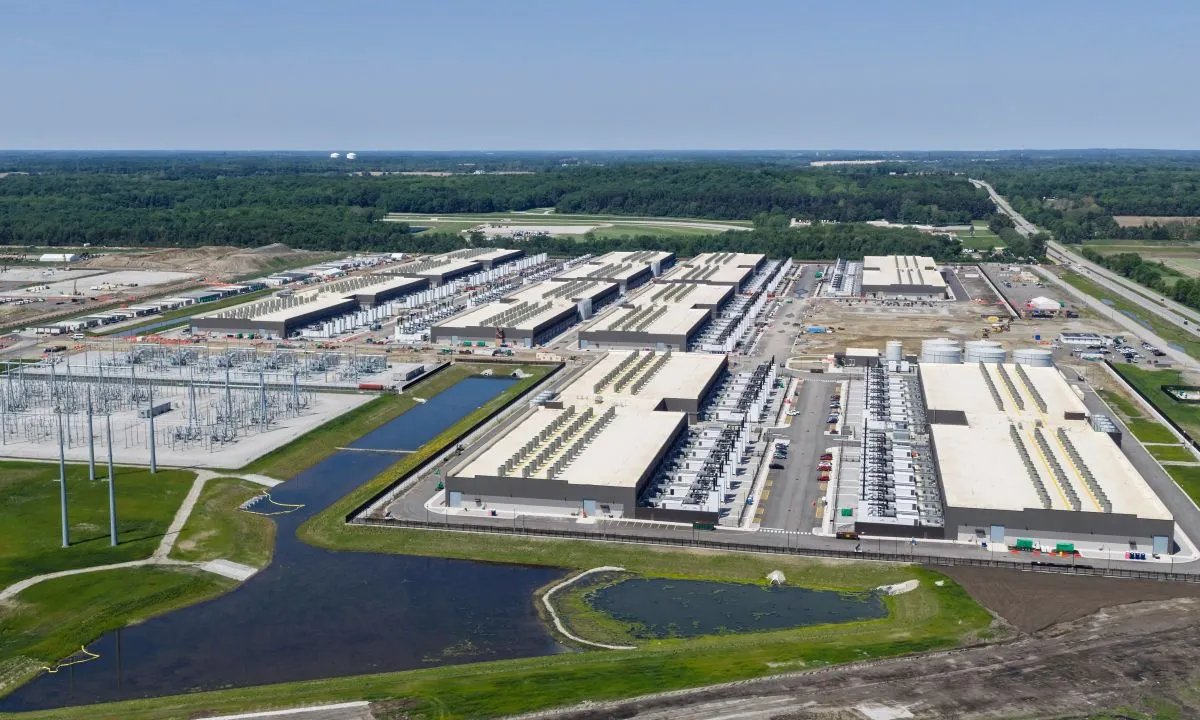
Citi Wealth Sees Long Runway for AI Spending
The artificial intelligence buildout is still in its early-to-middle stages, Citi Wealth said in a report released Wednesday (Oct. 7).
The AI investment cycle is facing greater scrutiny due to higher interest rates, increasingly capable open-weight models, regulatory pressure and rising infrastructure costs, the bank said in the report.
At the same time, despite the “growing noise” around the AI buildout, other signals remain strong, including semiconductor demand that continues to outpace near-term supply, U.S. core capital goods orders that rose in the first half, and AI-related exports that continue to drive growth in countries like South Korea and Taiwan, per the report.

We’d love to be your preferred source for news.
Please add us to your preferred sources list so our news, data and interviews show up in your feed. Thanks!
“We continue to favor diversified semiconductor exposure as a core holding and a key pillar of our U.S. large cap overweight,” Citi Wealth said in the report. “We also favor hyperscalers, which enter the next phase from a position of strength. Their vertical integration across large language models (LLMs), compute infrastructure (data centers) and chips strengthen their competitive advantage.”
On the same day this publication arrived, Reuters reported that analysts are watching Samsung Electronics’ upcoming earnings as they look for data on whether memory chip margins have peaked and whether the AI spending boom remains durable.
Samsung is set to release its preliminary third quarter results Thursday (Oct. 8), followed by more detailed data for the quarter in late October, according to the report.
While the shortage of chips is expected to continue into 2027 or beyond, the pace of price increases on the products slowed in the third quarter, leading to analysts’ concerns about the memory chip margins and AI spending that have driven profits for Samsung and other chipmakers, the Reuters report said.
The Bank for International Settlements released a report in July that warned that excessive AI investment could make the technology’s boom unsustainable. The BIS pointed to past booms that “ended in sharp corrections” that had far-reaching economic implications.
NOTUS said in July that it obtained a copy of a draft report by the U.S. Department of the Treasury that warned of extensive risks to the economy if the AI market repeats what happened when the dotcom bubble burst 25 years ago.