High Mortgage Rates Trap Homeowners and Make Renovations Less Affordable
High mortgage rates are causing many people to stay put in their homes, many of which need upkeep or improvement.
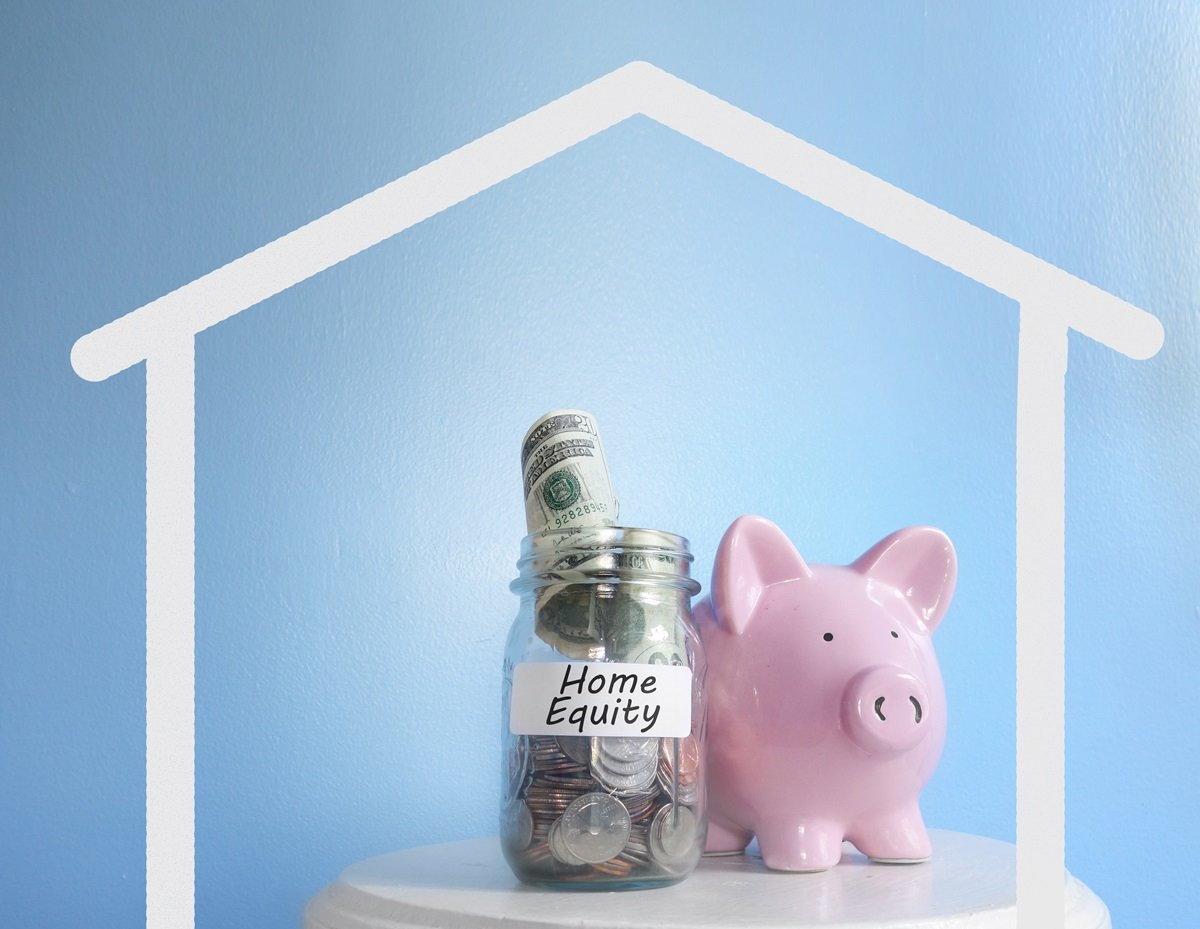
In the past, that often meant a home equity loan or home equity line of credit. But those financial tools are getting too expensive for many homeowners, leaving them trapped in aging homes with no way to improve them or get out of the home entirely.
CNBC reports that when homeowners are tapping into home equity loans — they did originate nearly 20% more second mortgages or HELOCs in the second quarter of 2026 compared with the first quarter — they likely aren’t using the equity for improvements.
Experts say the homeowners are using them to stay afloat. Untapped or expensive, CNBC noted that Americans are sitting on a record amount of home equity.
More Expensive
“As rates keep rising, tapping into home equity will become more and more expensive for homeowners. This will generally hold back consumer spending, but it will hit big-ticket items, like home renovations, particularly hard,” said Tom Graff, Chief Investment Officer of Facet, a financial planning and wealth management firm.
Graff said that struggle is something built into the rate hikes.
“The Fed is hiking interest rates in an attempt to control inflation. One of the ways that is supposed to work is by pushing down consumer spending. So the fact that consumers will struggle to finance large purchases is by design,” he said.
The Fed’s policy comes with risks for a consumer-driven economy.
“Consumer spending is already lagging way behind as a driver of GDP growth,” Graff said.
Graff said there is little cushion in the economy, given the soft jobs market, wage growth that has been declining, high gas — as well as diesel — prices, and net negative immigration.
The largest economic driver right now is data centers, he said.
“Spending on data centers is really driving GDP growth and holding the economy together. If that were to slow even mildly, the economy could easily fall into recession,” Graff said.
An unexpected five-year extended residence
Angie Hicks, co-founder and Chief Customer Officer of Angi, the home services marketplace that connects homeowners with contractors and other service professionals, said that homeowners are holding back on big projects as HELOCs and equity loans get priced out of reach.
She said that people are going to hold on to that 2-to-3% mortgage rate as long as they can.
“And it’s never coming back; this 6-to-7% is a more normal range,” Hicks said.
That has owners wanting to turn their home “for right now” into a “forever home,” CNBC noted.
“We are seeing people living in their houses about five years longer than they thought,” Hicks said. “People are feeling a squeeze.”
Hicks noted that people are prioritizing maintenance, doing a furnace tune-up rather than a major kitchen remodel.
“You don’t want to wake up on the coldest morning of the year in the winter to a furnace that doesn’t work, so people are spending for the tune-up,” Hicks said.
Typical in Times of Angst
This consumer behavior is typical of times of economic angst, CNBC reported.
“When inflation kicks in, or there is a shock to the economy, people don’t stop spending on their homes; they just reprioritize what they are spending on, for instance, a water heater instead of a new deck,” Hicks said.
And when it comes to home improvement, people tend to tap into savings or take on projects, like landscaping, that lend themselves to being done in phases.
Angi data shows 60% of consumers are putting off projects and switching to maintenance.
“The data points to a consumer who is staying in their home but deferring major projects,” said Philip Odelfelt, CEO of Datavations, a retail analytics firm that tracks point-of-sale data for home improvement manufacturers.
From September 2025 through August 2026, big-ticket renovation categories declined in a range of 10% to 28% at Home Depot and Lowe’s compared with the prior year, according to Datavations.
Lowe’s CFO Brandon Sink said on the home improvement chain’s most recent earnings call that affordability remains a major concern, and he added that it is “really translating to prioritization of repair and maintenance spend and the projects that our consumers are engaging in, and this ongoing trend of caution around big-ticket discretionary.”