Switching to an electric vehicle: What you need to know about ev insurance
Electric vehicles (EVs) can offer lower running costs than petrol and diesel cars, but their specialised technology can have a bearing on the cost of motor insurance.
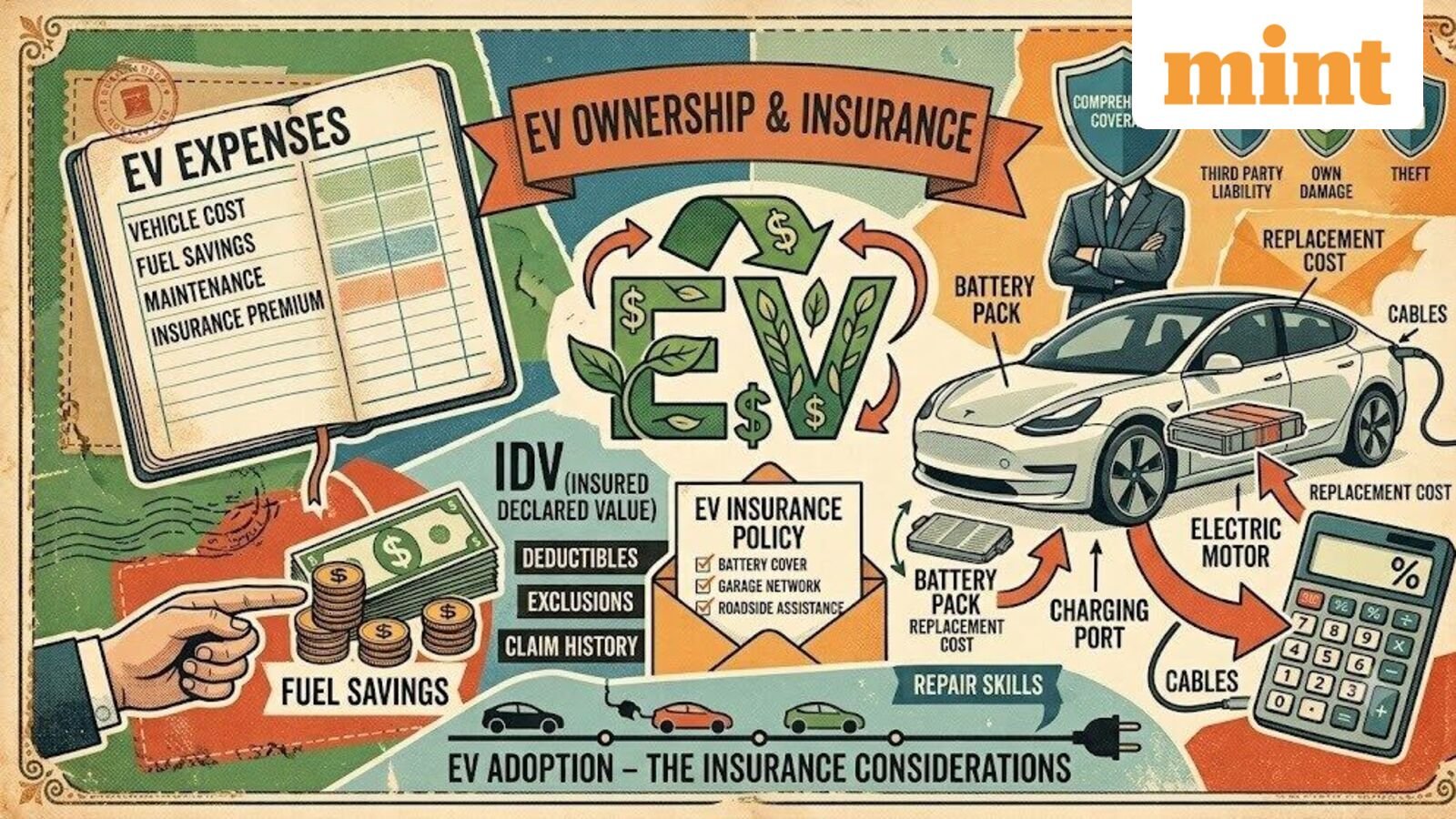
Unlike conventional cars, EVs rely on expensive components such as high-voltage battery packs, electric motors and sophisticated electronic systems. Repairs involving these components may require trained technicians, specialised tools and dedicated facilities, potentially increasing the cost of a claim.
Insurers take such repair costs into account while assessing risk. However, the premium for an EV is not determined by its power source alone. Factors such as the vehicle’s model and value, Insured Declared Value (IDV), registration location, coverage selected and the owner’s claims history also influence the premium.
Battery damage can make repairs expensive
The battery pack is among the most valuable components of an electric car. If it suffers significant damage in an accident, the cost of repairing or replacing it can be substantial.
Petrol and diesel vehicles also have expensive components, particularly engines and transmissions. EVs, however, have a different set of high-value parts, including their battery packs, electric motors and specialised electrical systems.
Consequently, the final cost of repairing an EV after an accident can differ significantly depending on which components are damaged.
This does not mean that every EV will necessarily attract a higher insurance premium. The vehicle’s value, model, location, type of insurance cover and the policyholder’s claim record continue to be important factors.
Standard motor insurance rules still apply
Buying an electric vehicle does not require an entirely separate form of motor insurance.
As with petrol and diesel vehicles, EV owners are required to have third-party motor insurance, which covers specified liabilities arising from injury, death or damage to third-party property.
Those seeking protection against damage to their own vehicle can purchase an own-damage policy along with third-party cover or choose a comprehensive motor insurance policy.
The difference lies largely in the specific terms and exclusions that apply to an EV.
Comprehensive cover does not mean every battery issue is covered
EV owners should not assume that a comprehensive policy will cover every problem involving the battery.
If the battery is damaged in an accident or another event covered under the policy, the resulting loss may be covered, subject to the policy’s terms and conditions.
However, ordinary ageing and a gradual decline in battery capacity are different from accidental damage. A battery losing some of its ability to hold a charge over several years does not necessarily constitute an insured loss.
Such deterioration may instead fall under the vehicle manufacturer’s warranty, depending on the warranty conditions.
Policyholders should therefore examine the treatment of battery-related damage and the exclusions before purchasing an EV insurance policy.
Check whether your insurer has EV-ready garages
Repairing an EV can involve requirements that differ from those for a conventional internal combustion engine vehicle.
Some repairs, particularly those involving the battery or high-voltage electrical systems, may require trained technicians and specialised equipment. Not every workshop may be equipped to handle such work.
This makes the insurer’s network of garages an important consideration when choosing a policy.
Before purchasing insurance, EV owners should check whether the insurer has authorised or EV-equipped repair facilities in their area. A wider and suitable garage network can make the claims and repair process easier when the vehicle needs specialised attention.
EV ownership also involves equipment that is not typically associated with petrol or diesel cars.
Charging cables and other charging-related equipment can be expensive to replace. Policyholders should check whether such equipment is covered under the standard motor insurance policy and the circumstances in which a claim can be made.
If an insurer offers additional protection through an add-on, consumers should compare its cost and coverage before deciding whether to purchase it.
Vehicle value can also affect the premium
The price of the vehicle itself remains an important consideration when insurers calculate premiums.
If an electric version of a particular model costs significantly more than a comparable petrol variant, its higher value could contribute to a higher insurance cost.
The IDV, estimated repair expenses, availability of replacement parts and the insurer’s assessment of risk can all influence the premium.
Therefore, simply comparing insurance premiums for an EV and a petrol car based on fuel type may not provide a meaningful comparison. Consumers should compare similar vehicles and examine the actual coverage offered by each policy.
Don’t choose a policy because of low premium
A lower insurance premium may look attractive, but buyers should examine what they may be giving up in return.
Important factors include deductibles, exclusions, IDV, available add-ons and the insurer’s garage network. For EV owners, particular attention should be given to battery-related coverage and the treatment of other costly electrical components.
The basic principles of buying motor insurance remain the same whether a vehicle runs on electricity, petrol or diesel.