After Stroke, Advisor Warns Peers About Hidden Stress
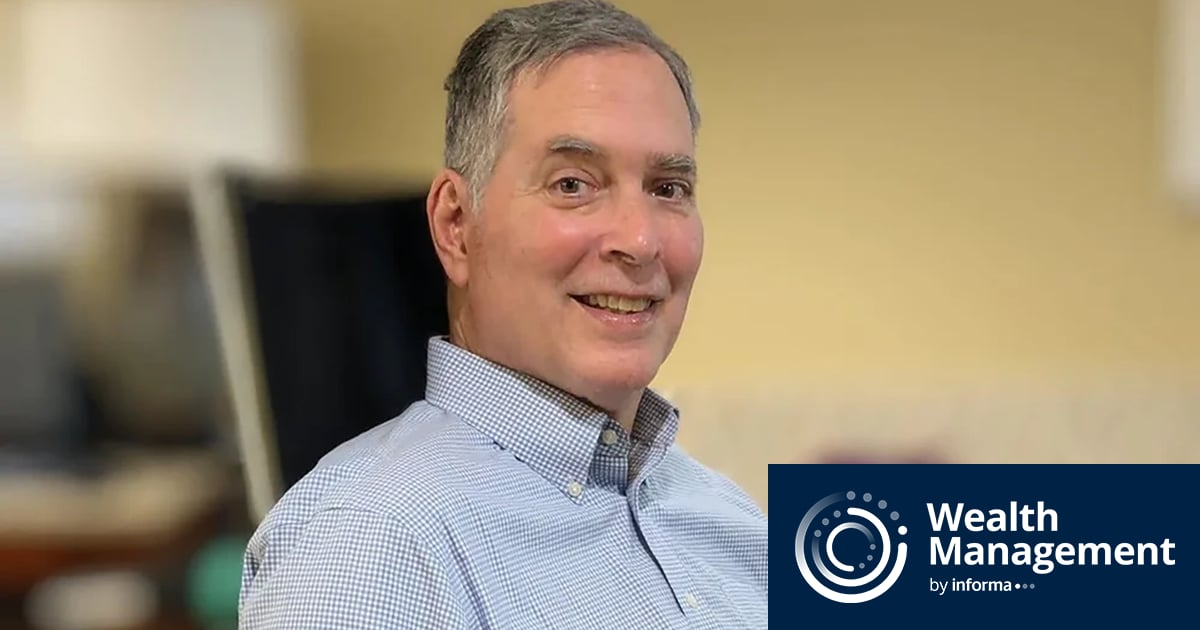
For 35 years, I built and ran an independent financial planning practice in the Boston area.
During that time, I wrote four books, hosted two radio shows, created a YouTube channel containing more than 200 educational videos, and launched a separate financial wellness company. When I eventually sold my practice, I was serving approximately 100 client families and managing more than $100 million in assets.
The accomplishment that made me proudest, however, was maintaining a 99% client retention rate year after year. That was not achieved through investment performance alone. It came from being available, listening carefully, managing expectations and helping clients navigate some of the most difficult and uncertain periods of their lives.
Then, on Oct. 21, 2022, my life changed instantly. While standing on the second hole of a golf course, I suffered a massive stroke. It left the entire left side of my body incapacitated and began a recovery journey that continues today. During the past four years of my recovery, I’ve had a great deal of time to reflect on my career, the practice I built and the pressures I carried without always recognizing them as stress.
When Stress Becomes Normal
Financial advisors carry an enormous amount of responsibility. We are responsible for helping clients protect what they have built. We guide them through retirement, market volatility, family transitions, illness and the loss of loved ones. We manage investments, but we also manage expectations and emotions—especially when markets decline, or world events create uncertainty.
At the same time, practice owners are responsible for employees, technology, compliance, revenue, client acquisition and the long-term health of the business. We also have responsibilities to our families and ourselves. When you are building something you care deeply about, those pressures do not always feel like stress. They feel like part of the job.
That was certainly true for me. I loved what I did. Even after I reached the point where I could have retired, I chose to continue working because I genuinely enjoyed my conversations with clients and the relationships we had built. I never woke up thinking, “I am overwhelmed by stress.” I saw problems that needed solving and challenges that needed overcoming. I believed that carrying those responsibilities was simply what successful business owners did. But stress does not disappear because we enjoy our work or choose not to acknowledge it. It can quietly accumulate over the years.
The Pressure Continues to Grow
Today’s advisors face many of the same pressures I experienced, along with new ones.
Technology has created extraordinary opportunities, but it has also increased the expectation that advisors remain constantly connected and immediately responsive. Artificial intelligence is changing how firms operate, communicate, and compete. Advisors are expected to understand new tools while continuing to deliver highly personal service. There is always another email to answer, platform to evaluate, compliance requirement to address or technology change to understand. Something that was considered innovative yesterday can feel outdated tomorrow.
The danger, however, is not technology itself. The danger is allowing every development to become another source of urgency. Not every message requires an immediate response. Not every new platform needs to be adopted. Not every opportunity deserves a place on your calendar. Technology should reduce unnecessary work and create more space for meaningful client relationships. If it only makes you more available, more distracted, and more pressured, it is not serving its purpose.
A Different Definition of Progress
After my stroke, my neurologist gave me advice that has stayed with me. He told me to eliminate as many unnecessary sources of stress as possible.
One of the most important decisions I made was to stop managing my own investment portfolio. When I sold my practice, I entrusted that responsibility to the advisors who purchased the firm. The moment I made that decision, I felt an immediate sense of relief. It was as though a weight had been lifted from my shoulders.
I had spent my career helping other people delegate responsibility and prepare for uncertainty, yet I had not fully recognized how much responsibility I continued to carry myself. Do I know whether years of stress directly contributed to my stroke? No. No one can say that with certainty. But I now understand that stress does not always announce itself. It can hide inside commitment, ambition, responsibility and even work we genuinely love.
Protecting the Person Behind the Practice
Advisors and business owners should periodically ask themselves several questions: What responsibilities am I carrying simply because I have always carried them? What can be delegated without compromising the client experience? Have I allowed urgency to become my normal operating mode? Is technology creating more space in my life—or consuming more of it? What boundaries would allow me to remain effective without being constantly available? Building a successful practice requires persistence, discipline, and sacrifice.
But success should not require us to ignore our health, relationships, or personal well-being. Take care of your clients. Take care of your employees. Continue building a business that reflects your values. But do not forget to take care of yourself.
Building a successful practice is an important achievement. Protecting the person who is building it should be part of the definition of success.