Cladding remediation backlog increases 12% as approvals slow
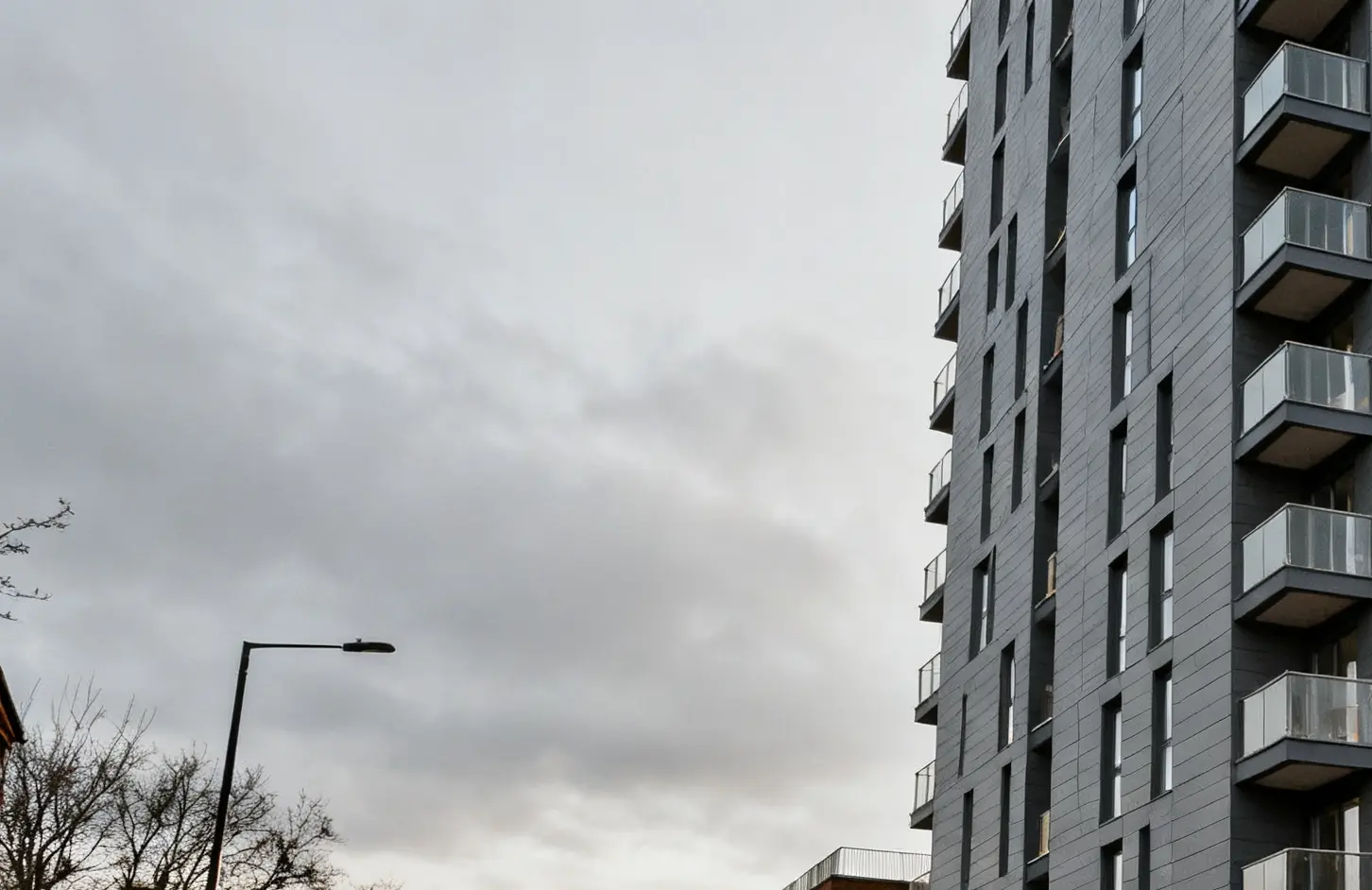
The number of residential buildings awaiting cladding remediation in the UK has risen by 12% since January, according to new figures from inspection platform Property Inspect.
Government programmes are now monitoring 4,697 residential blocks for potential remediation work, highlighting the ongoing challenges in addressing building safety issues that emerged following the 2017 Grenfell Tower fire.
Processing delays compound backlog
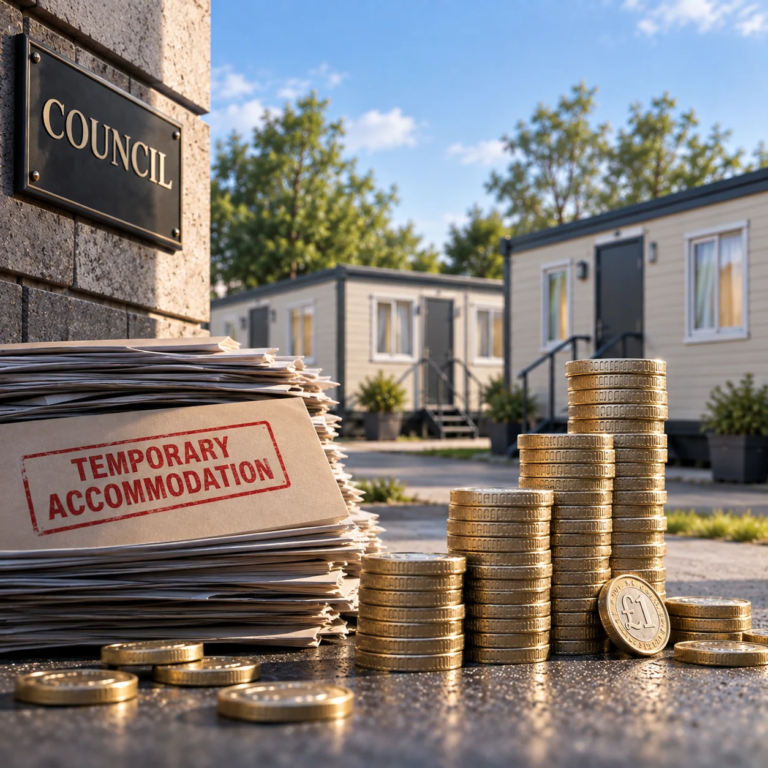
While completed remediation projects have increased by 22.2%, the number of buildings waiting for work to commence has also grown. Building Safety Regulator approvals for remediation applications are currently taking 33 weeks to process.
The delays add to concerns about capacity within the construction sector, an issue that has affected various property transactions including development financing arrangements across the market.
New levy introduced
A Building Safety Levy on new development came into force today, with charges reaching up to £100 per square metre in some cases. The levy is designed to create a funding mechanism for the development sector to contribute towards remediation costs.
Sián Hemming-Metcalfe, Operations Director at Property Inspect, stated: “The Building Safety Levy marks an important step in addressing one of the biggest challenges to emerge from the building safety crisis, because it creates a dedicated mechanism for the development sector to contribute towards the cost of putting unsafe buildings right.”
She added: “However, money alone will not clear the backlog. The latest figures show that the number of buildings being monitored for remediation continues to grow, while thousands of buildings remain somewhere in the remediation pipeline.”
Implications for property investors
The growing backlog has implications for property investors and leaseholders in affected buildings, many of whom face restrictions on selling or remortgaging their properties. The situation has also affected broader property transactions, with due diligence processes increasingly focused on building safety certificates.
In July, the government extended cladding funding to low-rise buildings under 11 metres for the first time, expanding the scope of remediation work required.
Criminal proceedings advance
The Metropolitan Police has submitted 20 files relating to 20 companies and 54 individuals connected to the Grenfell Tower fire to the Crown Prosecution Service. Charges under consideration include corporate manslaughter, gross negligence manslaughter, health and safety offences, fraud and misconduct in public office. The CPS has committed to making charging decisions before the 10th anniversary of the fire in June 2027.
The remediation backlog continues to affect thousands of residential properties across the UK, with the funding and processing capacity required to address the issue remaining under scrutiny as the building safety crisis enters its tenth year.