Senate to vote on stock trading ban, data center bill before election recess
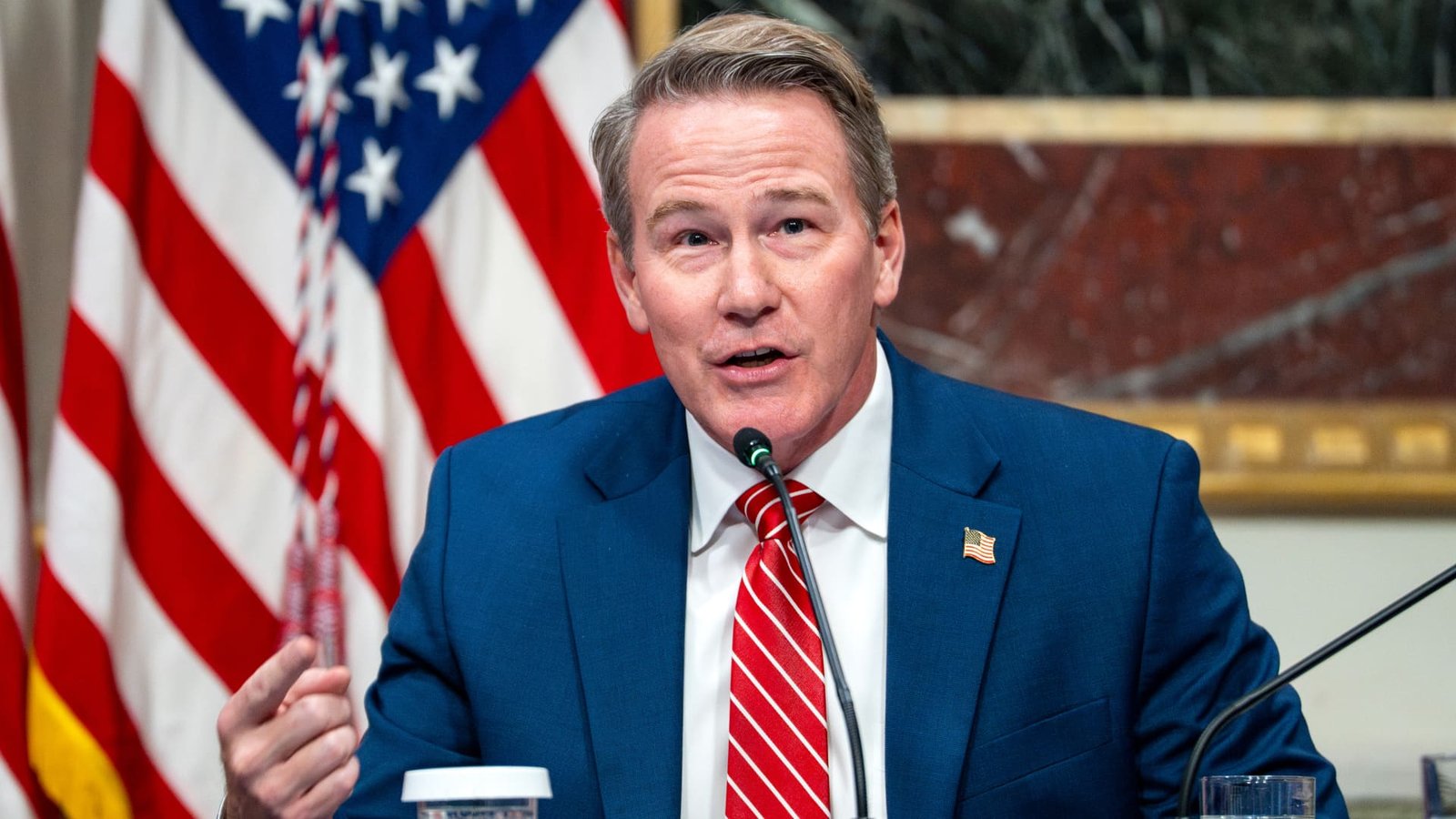
Senator Jon Husted, a Republican from Ohio, speaks during a roundtable on a ratepayer protection pledge in the Indian Treaty Room of the Eisenhower Executive Office Building at the White House in Washington, DC, US, on Wednesday, March 4, 2026.
Bonnie Cash | Bloomberg | Getty Images
Senate Republicans may be able to head back to their home states with a series of messaging wins ahead of the 2026 midterm elections, forcing Democrats to take procedural votes on Wednesday on bills that aim to address data center-related affordability concerns and limit members’ ability to profit on the stock market while in office.
Neither bill is likely to overcome the Senate’s 60-vote filibuster threshold as Democrats signal opposition. Wednesday could be the Senate’s last day in session before a more than month-long pre-election recess.
Democrats have railed against the Ratepayer Protection Act, which passed the House on a 417-3 vote earlier this month. It would establish a regulatory framework that states could consider adopting to require large artificial intelligence data centers to cover their own energy infrastructure costs, rather than passing them down to customers.
Senate Minority Leader Chuck Schumer, D-N.Y., called the proposal a “toothless messaging bill” in a speech on the floor on Tuesday.
“The bill is a fraud. I can sum up the shortcomings of Republicans’ data center bill with one word: optional,” Schumer said.
Sen. Martin Heinrich of New Mexico, the top Democrat on the Senate Committee on Energy and Natural Resources, cited similar concerns when he blocked the bill earlier this month after Sen. Jon Husted, R-Ohio, requested unanimous consent for quick passage.
Husted is in a “toss up” race for re-election against former Democratic Sen. Sherrod Brown. Brown has accused his opponent of helping to bring data centers to the state when he was lieutenant governor.
Husted and other Republicans could use a messaging win on the data center front, which has evolved in recent months into a potent campaign issue as opponents seek stricter guardrails for developers.
A second bill, dubbed the Stop Insider Trading Act, passed the House in July on a 232-198 vote, and would prohibit sitting members of Congress from buying individual stocks. But it would not force members to divest their existing portfolios, a sticking point for some Democrats who have advocated a more stringent trading ban.
Republicans also tacked on a controversial voter identification provision to the bill, which Democrats largely oppose.
Schumer similarly criticized the stock trading proposal on Tuesday, calling it a “theatrical farce” and the voter ID provision a “poison pill.”
“The bill Republicans are offering today is Swiss-cheese legislating, creating loophole after loophole after loophole. And it’s a step backwards to solving this critical problem,” Schumer said.
Husted, in a post to X on Tuesday, called both proposals “commonsense, bipartisan bills.”
“Lowering energy costs, requiring photo ID to vote, and banning stock trading for members of Congress could be bipartisan wins,” Husted wrote. “Senate Democrats are the only ones standing in the way of delivering what the American people have asked us to do.”