U.S. Bank loses foreclosure bid on mortgage dormant for 18 years
The court ordered the property sold at sheriff’s sale. That never happened. Chase filed requests four times between 2007 and 2010. None went through. The docket went quiet for fourteen years.
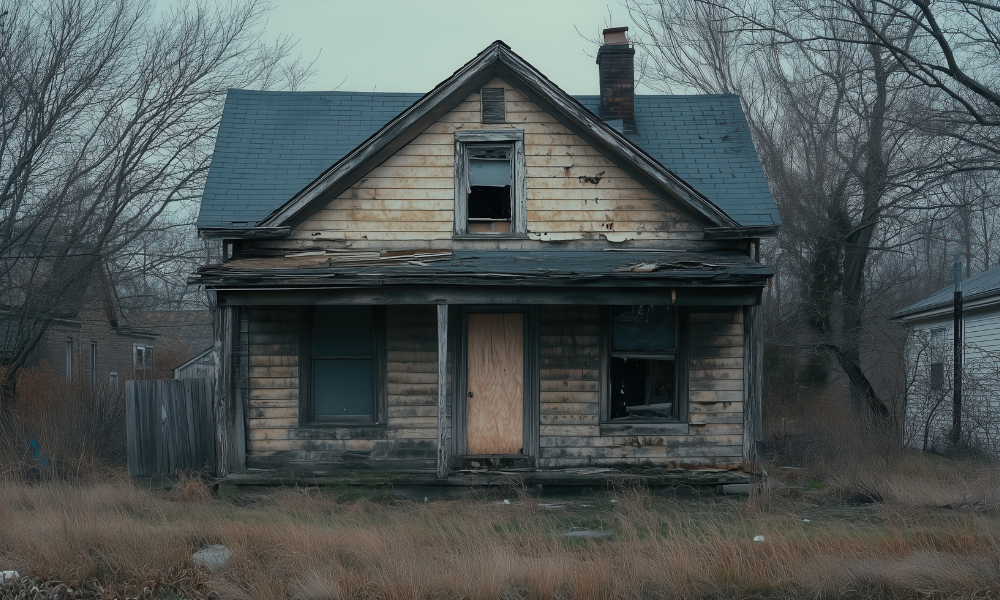
In 2018, the house was damaged by fire and the couple abandoned it. They sold the parcel for $20,000 to Hebrews Holdings, LLC, which tore down the structure and built a new home. Hebrews Holdings sold it to the current owner for $240,000, financed by Ruoff Mortgage Company.
In February 2024, Chase assigned the 2002 mortgage to U.S. Bank, which filed a second foreclosure two months later – more than seventeen years after the 2006 judgment.
Under Indiana law, acceleration starts a six-year clock on the note. Chase accelerated in 2006. Even with an eleven-month bankruptcy stay, the note was time-barred by October 2013.
U.S. Bank argued it was chasing the mortgage, not the note. The court pointed to Indiana’s lien theory, where a mortgage is “mere security” for a debt – when the debt is barred, the mortgage goes too. The bank cited a statute extending liens to ten years past the maturity date. The court cited a 2020 Indiana Supreme Court decision holding that once a lender accelerates, maturity no longer controls.