
The $100 billion comeback of the American tween
I remember stepping into the mall as an 11-year-old with a sequined purse stuffed with pocket money. I’d pop into Claire’s to buy some watermelon Lip Smackers, then hit up Limited Too for baby Ts. Back home, there would be a Delia’s catalog waiting for me with ideas of how to style cargo pants. Or the latest issue of YM or Bop, full of quizzes to figure out which Spice Girl I was. (For the record, I was Posh.)
In 1994, brands took tweens seriously as customers. They created a culture around them (girls, in particular), where not-quite-teenagers could tinker with the trappings of womanhood—lip gloss and slightly more fitted clothing—without straying out of their comfort zones. But over the past two decades, tween culture has been dismantled piece by piece. The mall (the tween’s natural habitat) began dying off, causing brands like Limited Too and Claire’s to struggle. Tween magazines closed, one after another, as part of the broader hollowing out of the media landscape.
But in an unexpected twist, retailers appear to be rediscovering the power of the tween. Walmart and Target have recently launched collections targeting the demographic. The chic children’s retailer Maisonette created Neon Rebels, a new brand for ages 7 to 14 that curates tween clothes and beauty products. There are many tween-focused skincare startups popping up, including Pipa, Bubble, and Evereden.
Millennial-focused brands like Away now see tweens as a possible new market. And even the old favorites are coming back: With an infusion of cash from private equity, Claire’s is redesigning its stores, and Kohl’s has relaunched Limited Too.
A tween renaissance is coming, and the brands that crack the code stand to earn a big payday. Gen Alpha already has more than $100 billion in annual spending power, and these kids influence 42% of household spending. In 2023 alone, tweens spent $4.7 billion on beauty products.
In the $225 billion global children’s apparel market, retailers say kids 10 and older represent a rapidly expanding piece of the pie. “The tween is going to be a very fast-growing market,” says AJ Nicholas, president of Maisonette. “There is just so much market share up for grabs.”

Why Tween Culture Disappeared
The ’90s tween economy was built on a piece of physical infrastructure: the suburban mall. For decades, it was the place parents could safely drop off their middle schooler; it was patrolled by security guards, so kids could safely rove through the food court or arcade in packs. “Malls were the place you would hang out with your friends back then,” says Away CEO Jessica Schinazi.
These young consumers had money in their pockets, and brands were eager to get a piece of it. Claire’s, Limited Too, and Justice were stocked with affordable products carefully curated to tween tastes. Bath & Body Works launched a tween-focused brand called Art Stuff that had roll-on glitter and shimmer powder puffs.
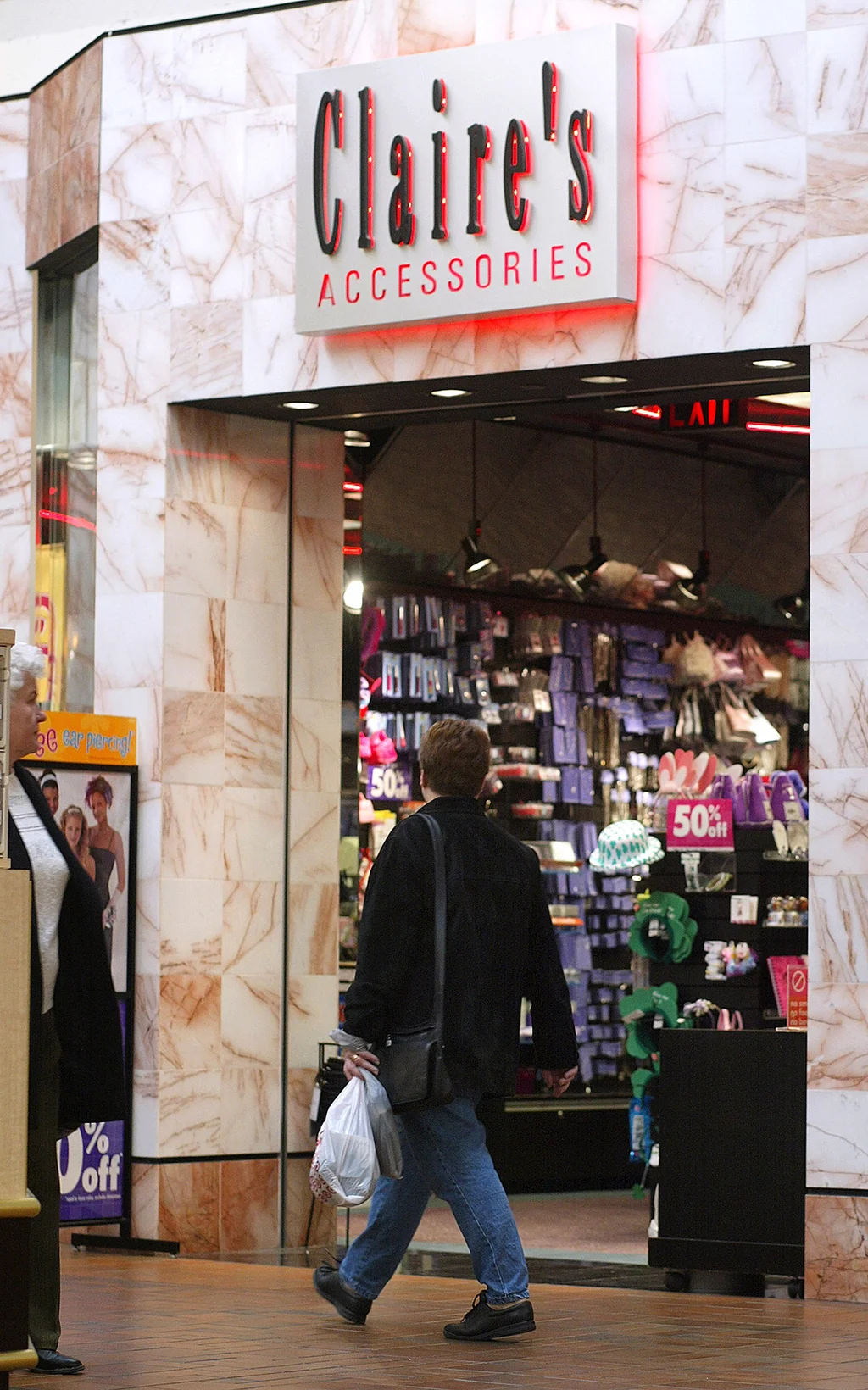
Then, in the early 2000s, e-commerce emerged. Consumers spent less time at the mall and foot traffic thinned. As stores saw drops in revenue and shuttered, malls became less inviting, creating a vicious cycle. Teen mall visits dropped roughly 30% from 2004 to 2014. The newer brands targeted millennials, who spent a lot of time online and on social media. But middle schoolers didn’t have smartphones or credit cards, so brands had no way of reaching them.
The disappearance of tween brands had consequences beyond the closet. Without products or media tailored to them, tweens were pushed into a consumer culture built for teenagers and adults. “You’re looking at brands like Brandy Melville and Edikted, and fast-fashion brands that are highly sexualized,” says Sylvana Durrett, founder of Maisonette. “The clothes don’t fit them well, so they roll up their pants 10 times.” Consumer culture was asking kids to grow up faster than they wanted to.
Return of the Tween
Recently, however, there have been signs that tween culture is making a comeback.
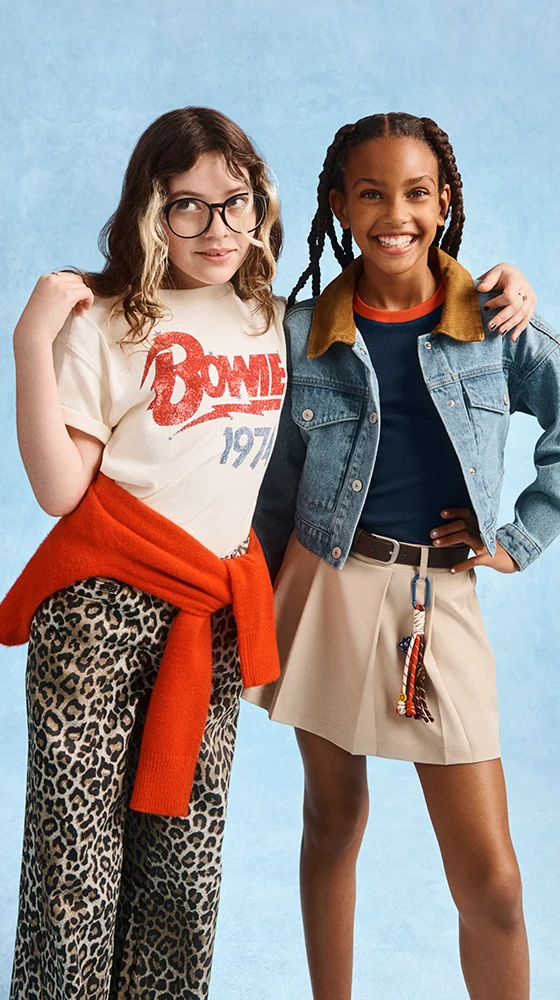
Last year, Walmart debuted a new in-house clothing brand called Weekend Academy, specifically designed for 8- to 12-year-olds. The retailer noticed that around their 10th birthday, customers stop shopping Walmart’s kids’ clothing lines. Tweens have very particular needs when it comes to sizing and styles, but they’re a relatively small sliver of the population. Walmart, with its enormous scale and customer base, has the resources to serve this demographic.
“We realize that our market share dropped with these kids, and they were shopping elsewhere,” says Gypsy Jo Diessner, Walmart’s VP of merchandising for children. “We now have designers who are experts in this space, figuring out how to interpret trends for tweens.”
Walmart’s New York-based design team scours fashion trends, from street style to runway designs. The latest collection includes ballet sneakers that could have been ripped from the pages of Vogue, baggy jeans, and plenty of graphic T-shirts. “It’s got to have the right level of modesty, the right color palettes, the right prints,” Diessner says.
This year, Target followed suit with a LoveShackFancy collaboration aimed at tweens. And there are now a spate of new magazines for tweens: Anyway launched in 2022, while Tween magazine launched in 2025. “There is this parent-led desire to give our tweens the same kind of analog experiences we had as kids,” says Jen Swetzoff, cofounder of Anyway magazine.
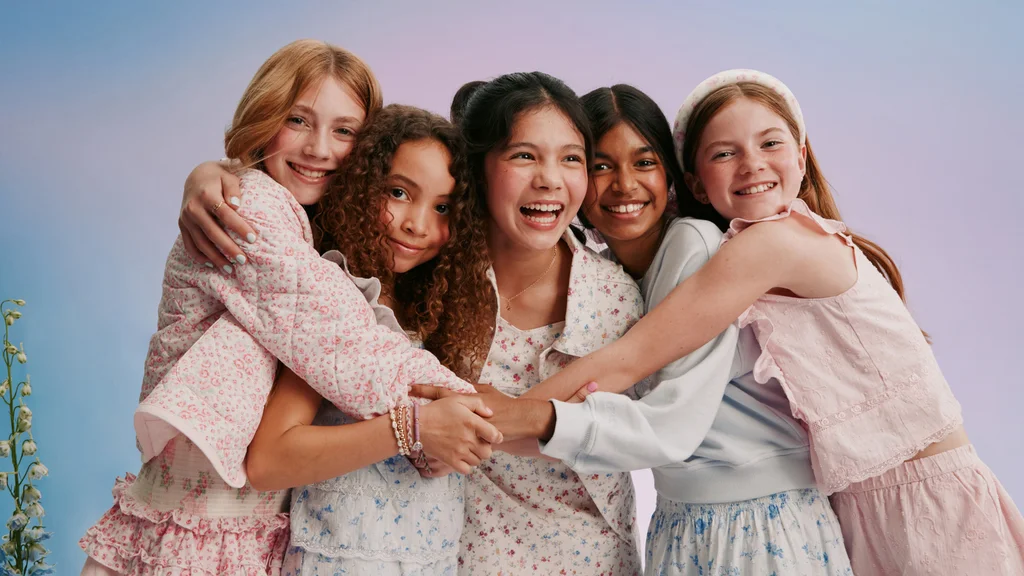
Most of these launches are aimed at girls, which is no accident. Tween consumer culture has always centered on girls, and it mostly still does. Boys have typically bridged the gap from childhood to adulthood through sports and gaming, moving from kids’ sneakers to Nike without needing much in between. When Justice—Limited Too’s lower-price sister brand—launched a boys’ line, Brothers, in 2011, it lasted just four years.
But some newcomers are casting a wider net: Walmart’s Weekend Academy is designed for boys and girls, and Anyway magazine is written so any kid can read it.
Whoever the customer, the comeback appears to be driven by demographics. Millennials, who have spent their entire adult lives shopping online, now have children in their tweens. The brands that have spent the past decade building relationships with millennials now realize they can make products for their kids.
Take millennial-oriented brand Away, which launched in 2015. A decade later, its core customers are thinking about how to outfit their middle schoolers for class and family trips. This summer, Away launched a tween-focused backpack and luggage collection to meet this need.
“Ten years ago, we were targeting early-career millennials,” Schinazi says. “They’re now in a different chapter of their life. They have kids who are growing up. They’re tweens now.”
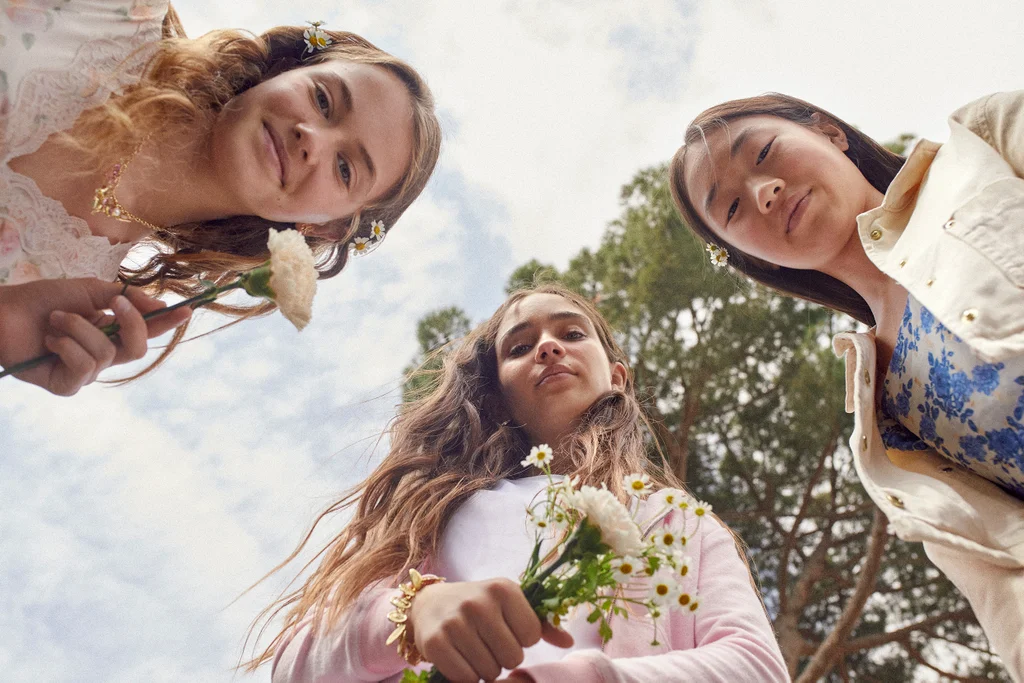
The same shift happened at Maisonette, which launched in 2017 to serve stylish millennials looking to outfit their babies and toddlers. Today, more than 20% of Maisonette’s customers have at least one child older than 7.
In August, Maisonette launched Neon Rebels, a sub-brand that curates clothing, skincare, and home goods for tweens. In scouting for it, the team discovered a crop of startups, like Pleat, Gold Rush NYC, Theme, the Animals Observatory, and Tenly, that are carefully tailoring their clothes to the tween set. “Founders are realizing that there is demand for tween brands, and they’re meeting it,” founder Durrett says.
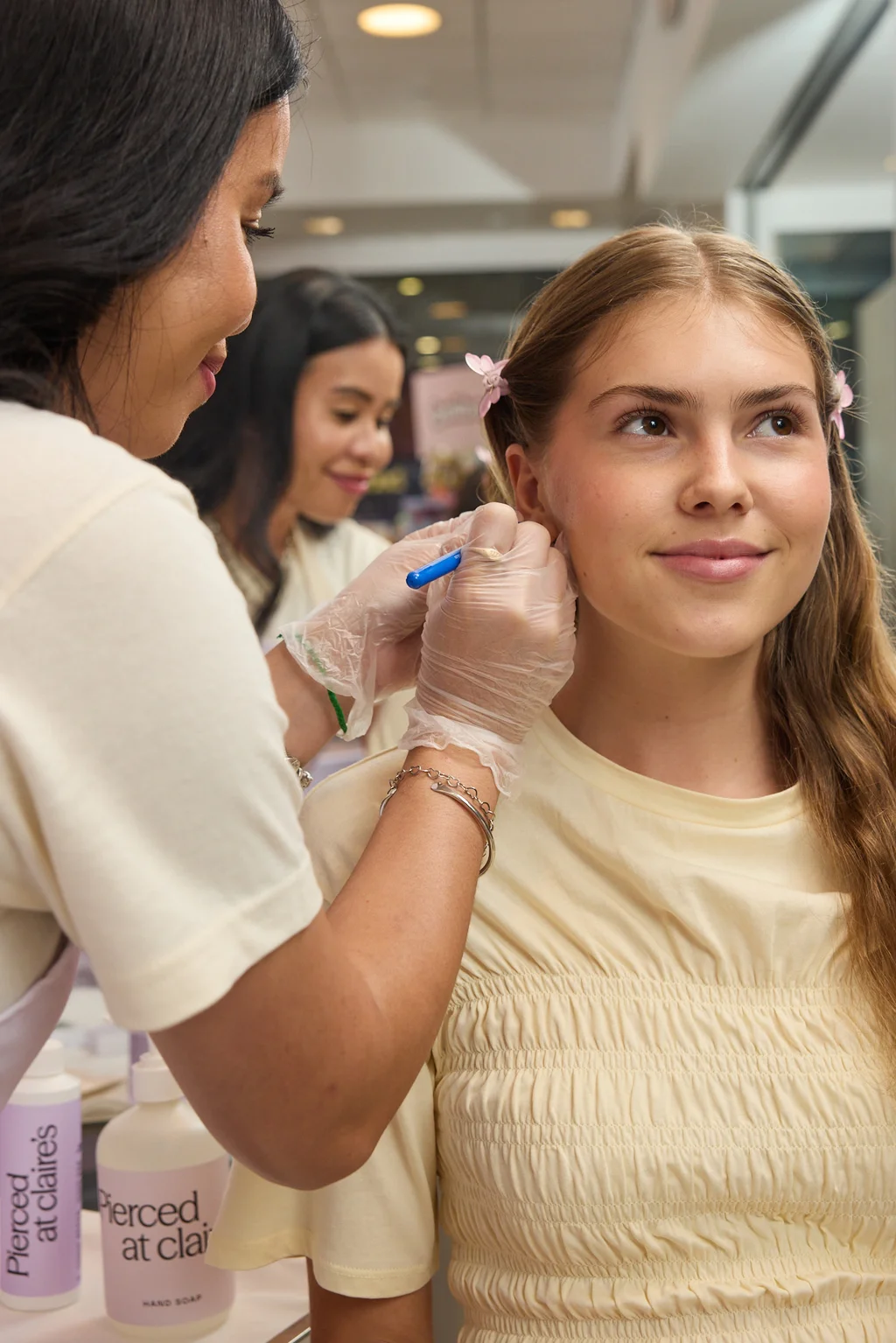
Then there’s Claire’s, the last survivor of the ’90s mall era. After filing for bankruptcy in August 2025 (for the second time in seven years), the company was acquired by private equity firm Ames Watson for $104 million. Its new leaders believe that in an era of screens and AI, tweens are ready for IRL experiences again.
The company is redesigning its stores to bring tweens back into the mall. Claire’s new strategy is built around ear-piercing, which is one thing that cannot be done online. And stores are reimagined as places to hang out, with bars where girls can try on earring stacks and take photos at selfie-stations. “She [the tween customer] wants interactive experiences where she can socialize, where she can discover and feel fully self-expressed,” says Carey Brezler, who leads Claire’s retail experience.
What a Girl Wants
The founders of these brands are delving into tween psychology and culture to understand what their customers are looking for. Sara Fowler, for instance, has been building her tween clothing line, Pleat, since 2020. After spending years designing for children’s brands, she identified that clothes available to girls ages 7 to 14 were either extremely childish or too mature. “There’s got to be something between this babyish smocked dress and the crop top,” she says.
Designing for that in-between space meant rethinking every aspect of a garment. Cotton, the default fabric for children’s brands, reads as childish to an older girl, so Fowler switched to silky polyester, which looks more grown-up. She swapped the primary colors of toddler clothes for more sophisticated prints and palettes.
But the biggest challenge was silhouette. As she’s talked with tweens and their parents, Fowler has identified that older girls want a hint of shape—but not too much. Many of Pleat’s outfits have a waist, but are more voluminous on top and at the skirt—parts of a girl’s body she may be self-conscious about. The clothes also have to look good on a range of bodies, since tween girls are developing at very different rates.
“It starts to give them a little bit of shape, without being inappropriate,” Fowler says. “They can move, they still feel like themselves. They just feel one step ahead of where they were a few years ago.”
Maisonette has been decoding those same signals as it assembles Neon Rebels. Tweens sometimes have a hard time expressing exactly what they want, but they are very clear about what they don’t like. “It’s not ruffles, it’s not Peter Pan collars,” Durett says. “They’re very aware of the markers that make them feel little.”
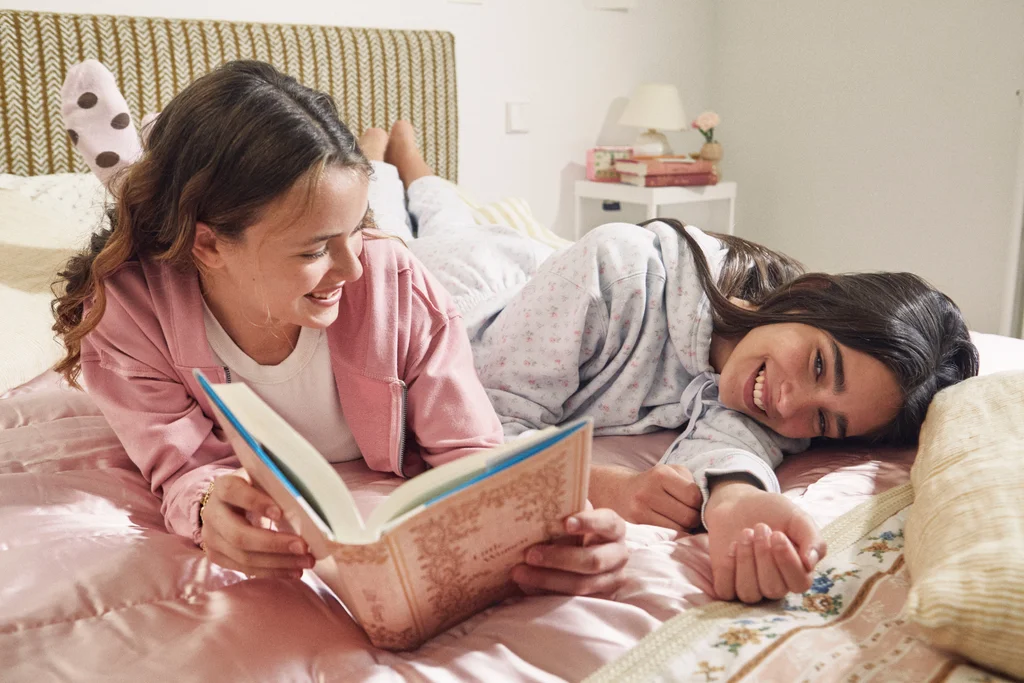
But every Neon Rebels product still has to pass a second test: gaining the approval of parents, since most tweens aren’t able to shop on their own. “There are two shoppers,” says Nicholas, Maisonette’s president. “There’s the parent who’s ultimately buying, but there’s the kid who’s driving a ton of that influence.”
Maisonette’s answer is to build two experiences. The Neon Rebels site is designed for kids to browse on their own, with bold graphics and an edgier tone. But everything on it has been vetted by Maisonette’s buyers for quality, fit, and age-appropriateness, including beauty products formulated for young skin. The company is also skipping social media ads aimed at kids, a choice that reassures parents.
As Walmart’s Diessner has found, that overlap is where the money is. “The most important thing for us is creating something that both parents and kids can agree on,” she says. “That has been our biggest design challenge.”
A Brave New World of Tween Culture
The brands jumping in now are only the first wave. Maisonette already has a waiting list of labels hoping to join Neon Rebels, and its executives see plenty of room to grow. Many Gen Alpha shoppers are only now entering middle school. Beauty, media, accessories, and experiences are all wide open to newcomers who can figure out how to get both tween shoppers and their parents excited.
The implications go beyond revenue. For more than a decade, tweens didn’t have much culture created for them; they jumped directly from Peppa Pig to Brandy Melville, with little in between.
The new wave of tween brands is filling that gap again. It gives girls a place to try on a slightly more grown-up version of themselves, whether through a dress with a hint of a waistline, a first ear-piercing, or a magazine that explains body hair. As Durrett puts it, what girls wear at this age “is very much an expression of who they are becoming.”
After a long absence, tweens have room to figure that out slowly.