Cashflow Secrets From Mobile Home Park Investing
Many were taught to build wealth by buying something significant and believing that it would increase in value. This could be a house, a stock, or a crypto coin your coworker is obsessed with. This can work, but it depends on factors outside your control. Many people in this position end up waiting much longer than they would like.
Cash flow is a different approach. You own something that pays you every month, whether the market is up, down, or doing nothing. Mobile home parks (or manufactured housing communities) are one of the more reliable ways to earn cash flow in real estate. Generally speaking, mobile home parks get less attention, making them an easy choice.
You don’t need to buy a park tomorrow by any means, but learning how these properties make money can change how you look at every investment you make from here on out, especially if you’re just starting out.
Secret #1: You’re Renting Dirt, Not Houses
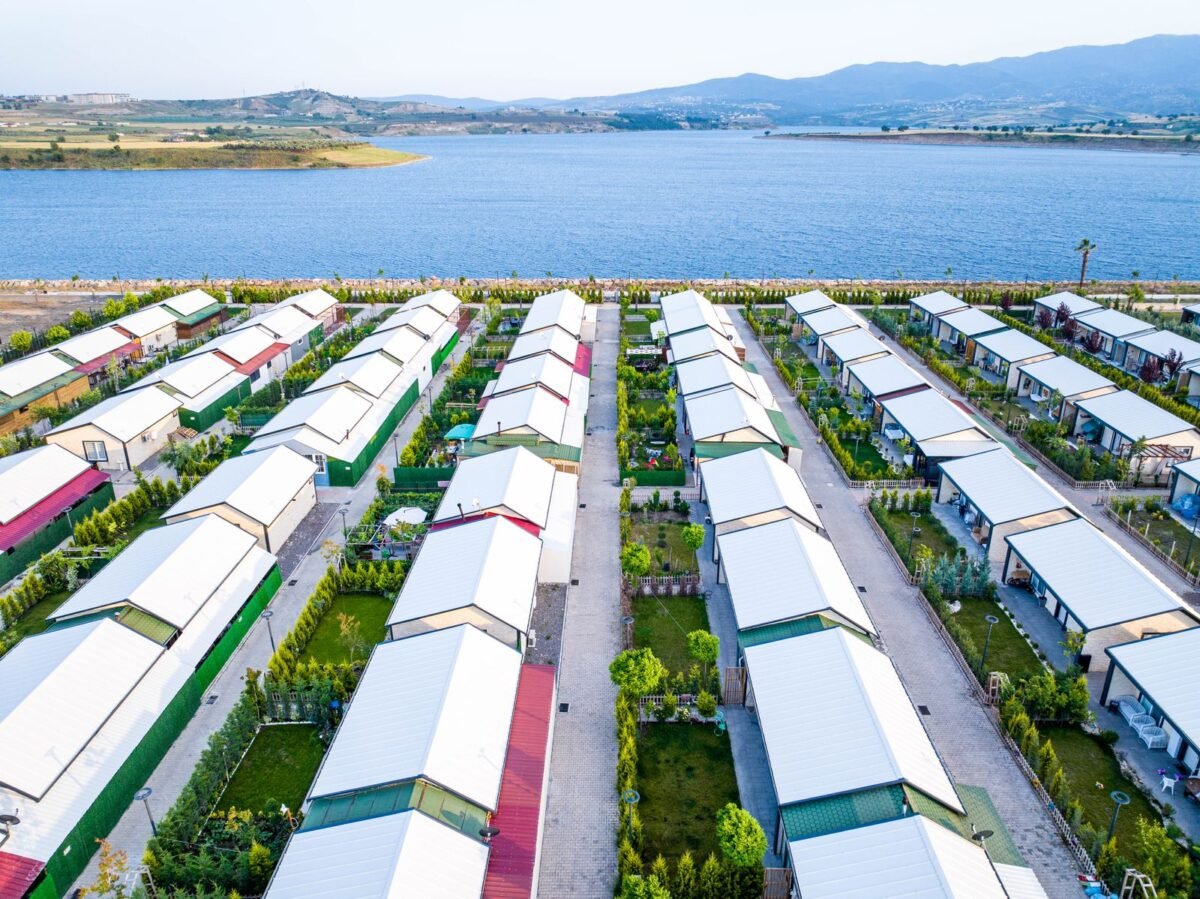
Owning the land rather than a house is what makes the whole model work. In a typical park, the owner owns the land, the roads, and the water and sewer lines. Each resident owns their own home and pays the owner rent for the lot it sits on.
That changes the business quite a bit. If a water heater breaks in a resident’s home, it’s the resident’s water heater. When a roof starts to leak, the homeowner calls a roofer, not you. That way, you’re not responsible for any home-related damages, which can save both time and stress. Compare that with a regular rental home, where a single bad month (a dead HVAC unit and a tenant who stops paying) can wipe out months or even a year of profit and effort.
Those savings show up in the numbers. Industry researcher Ferd Niemann, interviewed on the Lifestyle Investor site, notes that apartment buildings can easily spend more than half their revenue on expenses, while well-run parks usually spend 35% to 40%. An extra 10, 15, or 20 percent over the long run can lead to significant savings and less hassle.
Secret #2: Residents Stay Put
Tenant turnover drains profits in rental properties worldwide. Every move-out means lost potential rent, plus extra cleaning, repairs, marketing, and time spent finding new tenants. Apartment owners budget for it every year because they know it will happen. While park owners aren’t immune to it, they generally don’t have the same amount of worry.
Despite the name, mobile homes rarely move. Hauling a mobile home to a new lot means hiring a specialized transport company, pulling permits, and often spending thousands of dollars. As homes get older, they become less likely to endure the trip. So residents often stay for years, and sometimes even decades.
Justin Donald, founder of The Lifestyle Investor, sums it up in why Warren Buffett and Sam Zell bet big on mobile homes: “Furthermore, the stickiness of tenants – moving a mobile home is a logistical and cost-intensive experience – translates into lower turnover rates and consistent cash flow.”
For anyone who wants income they can plan around, consistency is the key concept.
Secret #3: Demand Is Up, and Supply Is Stuck
Cash flow, however, only lasts if people want to live in your property. Right now, they do. According to Northmarq’s 2026 market outlook, national occupancy in manufactured housing communities hit 94.9% in the second quarter of 2025. Average asking lot rent reached $752 per month, up 7% from a year earlier.
Why the high demand? Because so many people have been priced out of every other option. The average starter home costs several times what it did a decade ago. Thus, a manufactured home on a rented lot is one of the few ways left to own a place with no shared walls.
At the same time, new parks are hard to build. Many towns zone them out, and town residents generally fight new ones at local city council meetings. When supply is stagnant and demand keeps growing, existing parks stay full with tenants that don’t want to move.
Secret #4: The Money Is in Fixing What’s Neglected
Plenty of parks are still owned by people who bought them back in the 1980s and haven’t changed much since. Rent prices are way below market, empty lots sit unused, and nobody has billed residents for water in years. For a buyer who’s willing to put in the work, that’s where the opportunity for cash flow and passive income is.
Donald’s advice is to look where the big players aren’t looking yet: “If you are interested in investing in mobile home parks, it is a good idea to purchase properties that are not yet attractive to institutional investors. An investor can elevate a lower-tier park into an asset that REITs will pay a premium for by increasing occupancy, upgrading infrastructure, and improving the community’s attractiveness.”
In practice, that usually means a few things:
- Filling vacant lots by bringing in new or used homes (as long as there are more homes)
- Moving water and sewer costs from the owner to the residents who actually use the water and plumbing services
- Cleaning up the land itself, fixing the roads, and enforcing basic community rules
- Increasing rent prices to market gradually rather than all at once
Every extra dollar of monthly income raises what the whole property is worth, because parks are always valued on the income they produce.
A caution here: faster rent increases aren’t always better. Residents can’t easily leave, and some owners have unfortunately made headlines for steep price hikes that push families to a breaking point and thus out of the park. Fair and predictable increases tied to real improvements are better for residents and for owners’ long-term reputation, and they keep occupancy steady overall.
Secret #5: Get Paid While You Wait
The biggest lesson from parks applies to your whole portfolio: income comes first, and growth is an added bonus.
Donald makes that point in his Forbes piece on multiplying cash flow without taking on more risk: “When income stands on its own, appreciation is a bonus instead of a goal.”
It’s a helpful filter for any deal. Questions to ask could be:
- Does this pay me now?
- If the market stays flat for five years, am I still okay?
If the answer is no, you’re speculating, not investing.
How to Get Started Without Buying a Whole Park
Most people reading this aren’t about to drop a seven-figure down payment on a 100-lot community, and that’s fine. You have options at almost every budget.
Publicly traded REITs. Companies such as Sun Communities and Equity LifeStyle Properties own thousands of manufactured housing sites all over the U.S., and they also trade on the stock market. You can buy a share in a regular brokerage account, and you’ll get frequent dividends without any of the landlord work.
Private funds and syndications. Many operators pool investor money to buy parks. The minimum investment is often $25,000 to $50,000 or more, and many deals are open only to accredited investors (meaning at least $200,000 in annual income, or $1 million in net worth, not including homes). Vetting the operator matters more than the deal itself. Look at their track record in the past, what residents say about them, and how they’ve handled downturns or conflicts in the past.
Buying a small park yourself. Small parks in rural areas can sell for far less than a single-family home in an expensive city, and it’s common for sellers to sometimes offer financing to help. But you’ll be the landlord, the maintenance manager, and the person who gets the call when a water main breaks at 2 a.m. If you’re going to go in, go in with eyes wide open and be ready.
If you’re still paying off high-interest credit card debt, it would be wise to take care of that first. No park is going to reliably return more than the 20%-plus interest you’d save. Paying down debt is its own form of cash flow: every balance you clear frees up money you already earn each month in the future.
The Bottom Line
Mobile home parks aren’t flashy, but that’s part of what makes them work. Low expenses, residents who stay put, strong demand, and a lot of room to improve neglected properties add up to income that keeps coming month after month and year after year.
Even if you never own a park, the thinking behind them is worth considering and learning from. Look for investments that pay you now, protect your downside, and don’t depend on perfect timing or market fluctuations. Build a portfolio on those concepts, and you’ll need a lot less luck in the future.