A Longevity Doctor’s Routine to Build Muscle: Protein, Weight Workouts
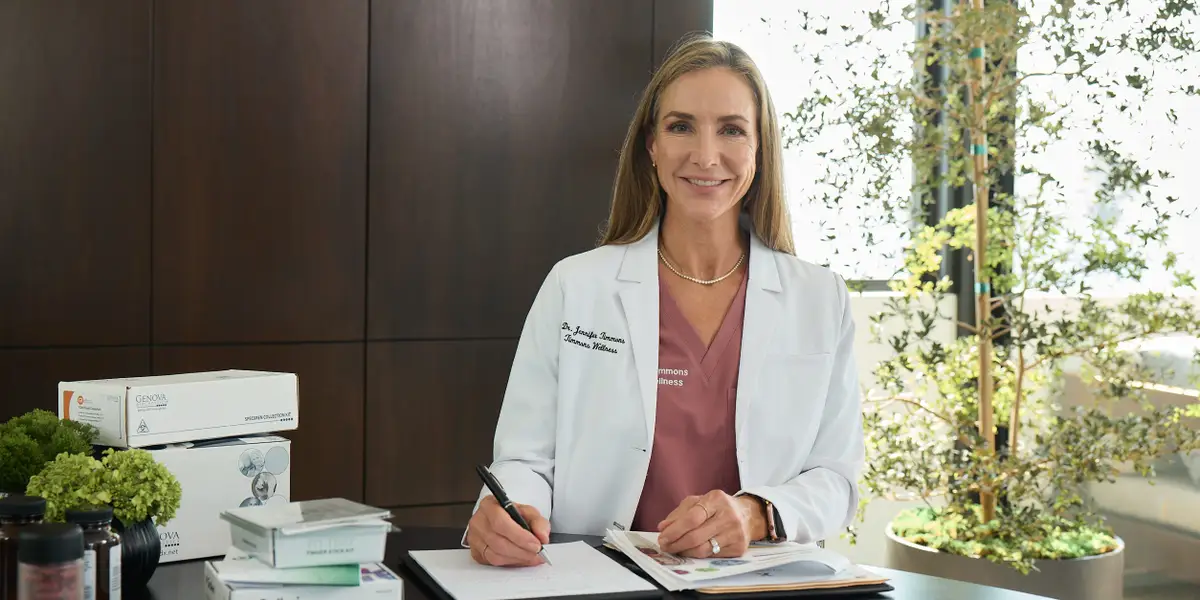
For Dr. Jennifer Timmons, building muscle isn’t just aesthetic; it’s a prescription for a long, healthy life for both herself and her clients.
Timmons, a board-certified longevity doctor in California, said muscle is essential for a healthy metabolism, protecting the bones and joints, and staving off illness and frailty as we age.
“The key to maintaining our independence is maintaining our muscle mass,” she told Business Insider. “Strong is the new goal. You could be skinny and still metabolically unhealthy.”
Timmons, 46, shared three pillars of her own routine for building lean muscle: time-efficient workouts, a high-protein and high-fiber diet, and supplements that are actually worth the money.
“I practice what I preach,” Timmons said. “I like that I can give personalized insights of what has worked for me and works for my patients. But I can also show women, ‘Here’s how much I’m training and here are the muscles you get.'”
Lifting weights on a busy schedule
To maximize healthy years of life, Timmons encourages patients to “take their MEDS,” an acronym that stands for movement, emotional health, community connections, diet, and sleep.
Movement should include strength training, whether with dumbbells or bodyweight.
“It doesn’t have to be complicated, you don’t have to use all the fancy gym equipment, you can do this at home,” Timmons said.
As a practicing physician and mom, she doesn’t have much time to spare, but said 90 to 120 minutes a week of training is the sweet spot for longevity exercise, if you have a smart training plan.
Timmons works out for about 45 minutes, two to three days a week, focusing on compound exercises that work multiple muscle groups at once to save time.
For instance, she likes to grab a pair of 40-pound dumbbells for a set of squats that activate the whole lower body and core at once. Other compound exercises include push-ups, pull-downs, rowing variations, and lunges.
Felicia Lasala
It’s also essential to hit the right intensity to continue challenging your body over time to see results, a principle known as progressive overload.
Timmons said she determines how heavy to go and how many reps to do by aiming to end each set when she’s tired but not fully exhausted, with about two to three reps in reserve.
She recommends starting with an exercise routine that works for your body and schedule, even if it’s just 10 minutes a day of bodyweight squats or push-ups.
“Doing what is doable and that you can stay consistent with is going to be the most important,” she said.
Protein and fiber to boost longevity
Timmons said she aims for 100-140 grams of protein throughout the day, starting with a healthy breakfast.
“Doing all the heavy weights is not going to get you as much muscle gain if you’re not getting enough protein,” she said. “You have to have a minimum threshold, but more protein isn’t necessarily better.”
The latest nutrition research suggests an optimal protein intake of 1.2 to 1.6 grams per kilogram of ideal body weight for most people.
Her go-to breakfast is a mix of ground flax, chia, and hemp seeds with Greek yogurt and frozen wild blueberries or cherries, topped with pumpkin seeds, walnuts, and Brazil nuts.
It’s packed not only with protein but also with other longevity-promoting nutrients like healthy fats and fiber, which support heart and gut health, help prevent cancer, and regulate hormones.
“My breakfast has a ton of fiber and a ton of protein,” she said. “Your first meal of the day can keep your blood sugar on a stable course and start you off on the right foot.”
Supplements to build muscle for a longer life
For extra credit, Timmons said she uses supplements. She recommends them for patients who have mastered the basics and want to level up their longevity gains.
One of her favorites is creatine, an affordable supplement that helps the body generate the energy to squeeze out a few extra reps in the gym. Emerging research also suggests that creatine protects the brain, helping to buffer against cognitive decline caused by aging or stressors such as sleep deprivation.
“Especially for women in aging and perimenopause, there’s a lot of really good data that it can help support muscle growth and also cognitive health,” Timmons said.
Her stack also includes omega-3s for brain health, vitamin D to support the immune system, and magnesium for better sleep and recovery. She takes a multivitamin as an insurance policy against missing any nutrients, too.
For best results, she recommends investing in specialized testing to identify nutritional deficiencies and determine the best supplements for your specific needs.
As you’re building your own longevity routine, start small and don’t stress about taking on too many changes at once, according to Timmons.
“You don’t have to do everything perfectly to make a positive impact on your health. Consistency wins over intensity,” she said. “Make small changes little by little that are sustainable, and you’re going to be better off in the long run.”