UPI MDR kicks in October 15: Why NPCI expects no hit to transaction volumes
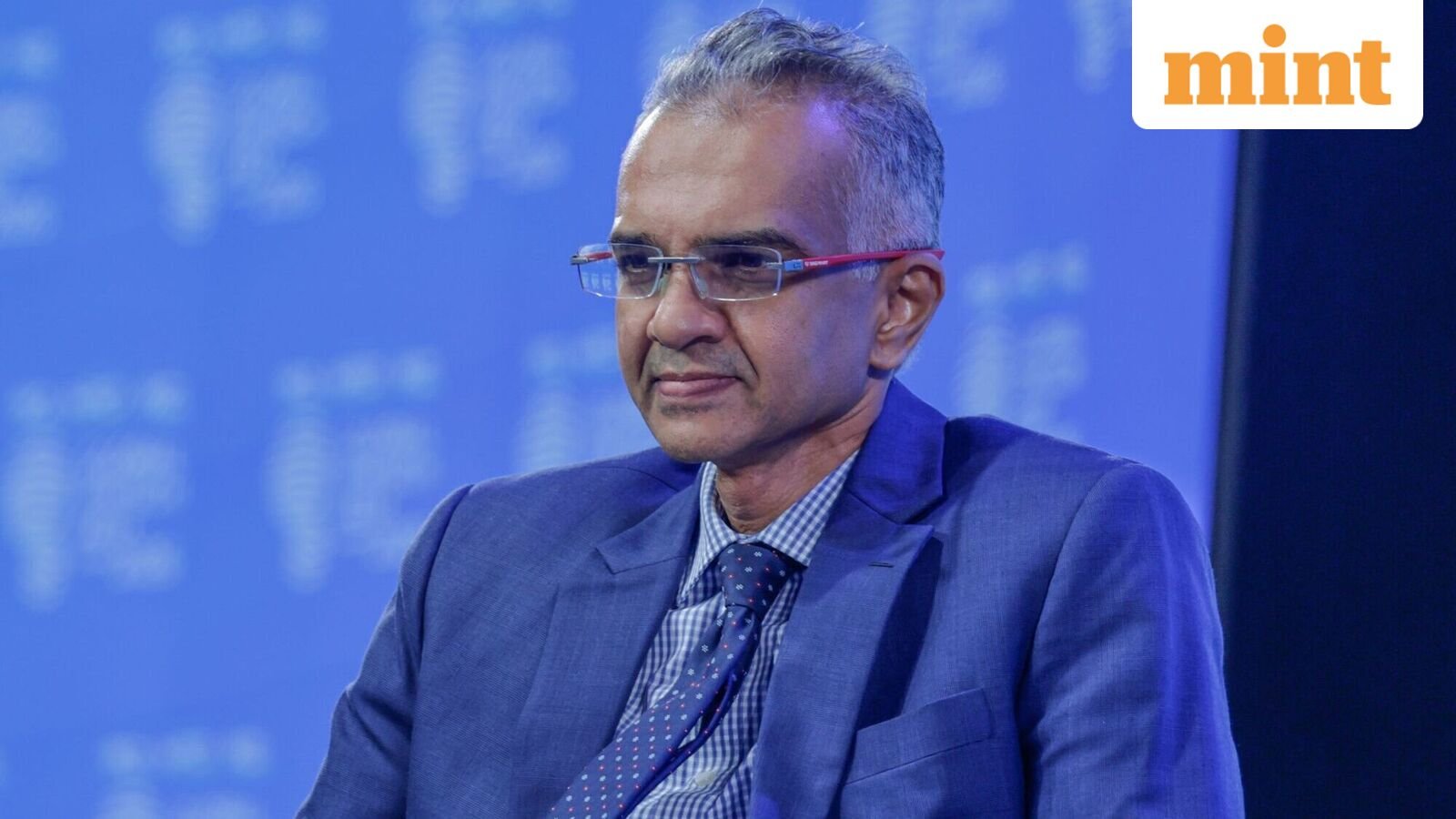
The introduction of a Merchant Discount Rate (MDR) on select Unified Payments Interface (UPI) transactions is unlikely to materially affect payment volumes, according to National Payments Corporation of India (NPCI) Managing Director and CEO Dilip Asbe.
Speaking at the 13th SBI Banking & Economics Conclave 2026 on Thursday, Asbe said revenue generated under the new framework would be channelled back into the digital payments ecosystem, including investments in technologies such as soundboxes and artificial intelligence-based solutions, news agency ANI reported.
“Any change will create some pain, but we believe that as of now, we don’t foresee any major impact on the volumes or value. In fact, it will grow manifold because the ecosystem will push back,” Asbe said.
New UPI MDR framework from October 15
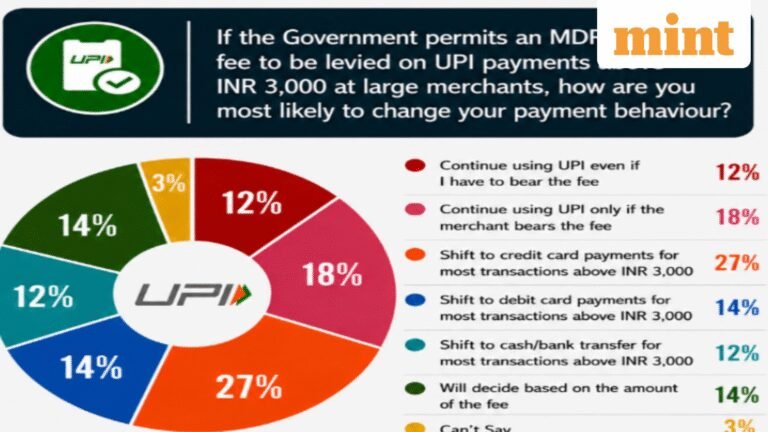
Under the new framework announced by the government and NPCI, a 0.4% MDR will apply from October 15 to specified person-to-merchant (P2M) UPI transactions above ₹2,000. The charge will be capped at ₹300 for transactions of ₹75,000 and above.
Person-to-person (P2P) transactions and P2M payments up to ₹2,000 will continue to remain outside the MDR framework. Small merchants covered under the zero-MDR structure will also remain exempt. About 96% of P2M transactions are expected to remain unaffected.
Certain essential and thin-margin sectors, including railways, telecommunications, insurance, fuel and agricultural inputs, will attract a flat MDR of ₹5 per transaction for payments above ₹2,000. Capital market transactions will carry an MDR of 0.02%, capped at ₹300.
NPCI sees room for more payment infrastructure
Asbe said a significant share of MDR payments would come from existing merchants that already incur charges on credit card transactions, with such costs already embedded in their pricing.
He also pointed to the scope for expanding digital payment acceptance infrastructure. Around 20 million merchants currently have soundboxes, while another 40 million have QR codes but do not have such devices.
The additional revenue could also support investments in voice-based payments and feature-phone payment solutions, according to Asbe.
Focus on keeping charges away from consumers
The question of whether merchants could pass the MDR cost on to customers remains a key concern around the new framework. Asbe said the ecosystem would need to ensure that the charges are not transferred to consumers.
The government has also directed banks to ensure that MDR is not passed on to customers.
Asbe said NPCI would remain open to feedback and review the policy based on data, although he does not currently anticipate major changes to the pricing framework.
The new structure marks a shift towards generating revenue within the UPI ecosystem while keeping everyday, lower-value payments largely outside the new charge regime.