Fed Official Says Future Rate Hikes ‘Likely’ to Tame Inflation
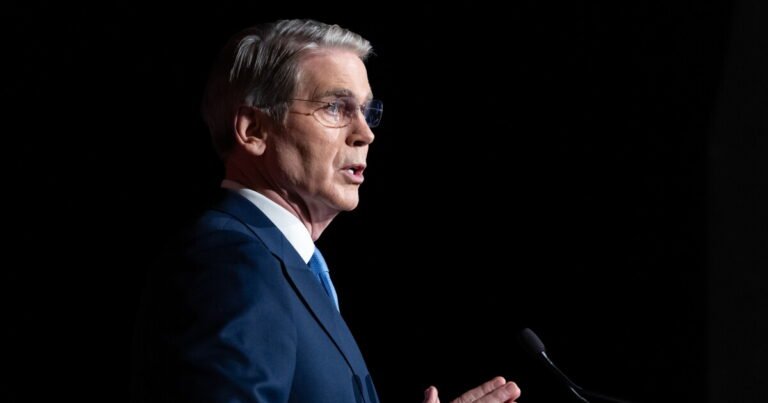
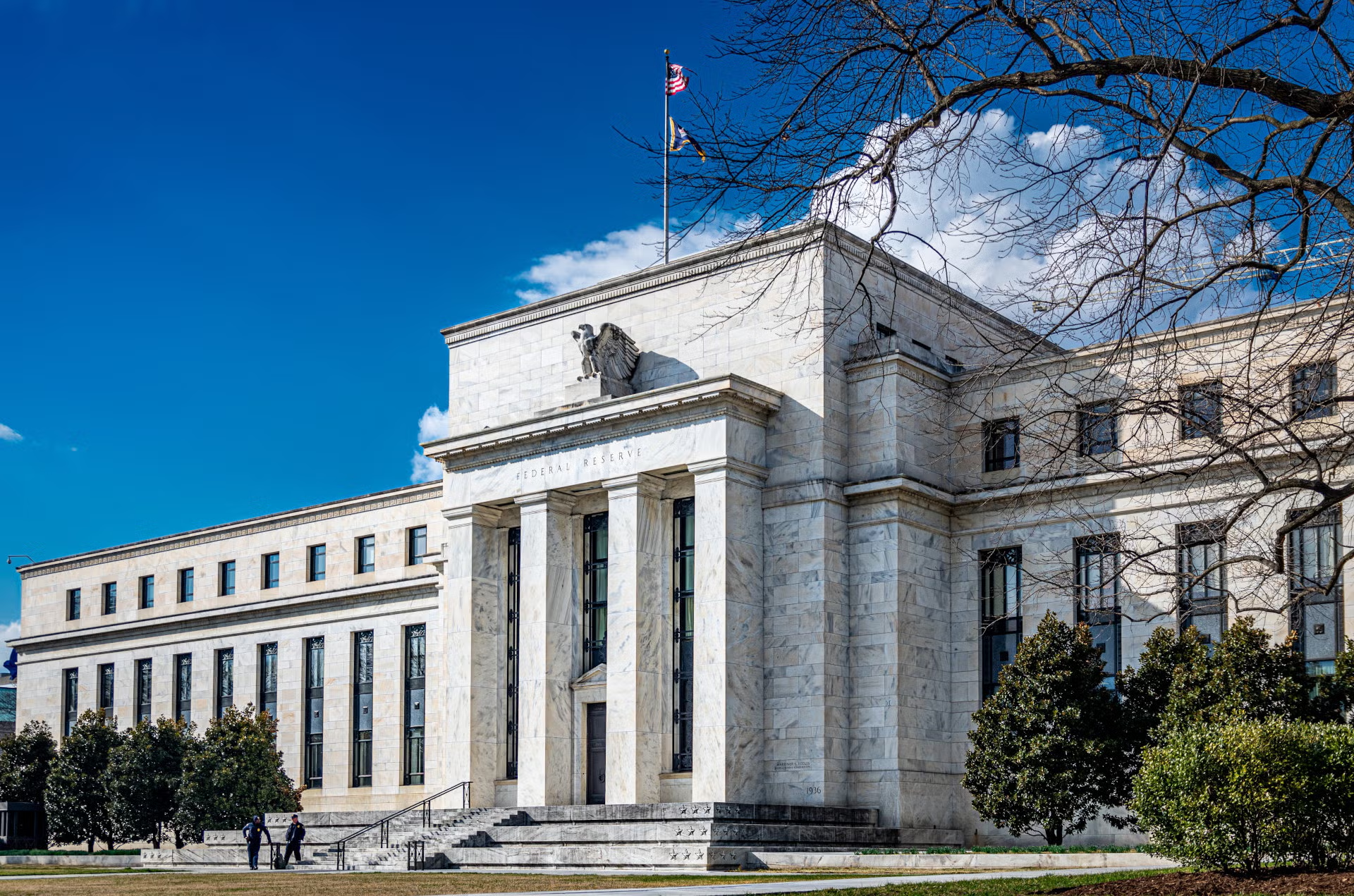
The central bank “likely” will raise interest rates again to tackle persistent inflation, Federal Reserve Governor Michael Barr said.
The Fed raised rates last week for the first time in more than three years.

Barr is a member of the rate-setting Federal Open Market Committee (FOMC), and he said the unanimous decision to raise the benchmark interest rate by a quarter point was the “right” one, given that inflation “is above our 2% target and not clearly trending toward target in a timely way.”
During a housing affordability summit hosted by the Federal Reserve Bank of Chicago, Barr added: “In my base case, further policy adjustments are likely to be needed to ensure inflation comes down to target in a timely fashion.”
After policymakers raised rates to a range of 3.75 to 4%, Fed Chairman Kevin Warsh said the move will “support a timelier return” to the committee’s goal of 2% inflation.
The Hill reported that annual inflation has remained above that target since March 2021 and was 3.4% last month, as measured by the consumer price index.
Durable Growth
“The plain fact is that inflation is too high and has been for too long,” Warsh told reporters last week. “This summer’s inflation readings do not tell me that underlying trends have meaningfully improved.”
Warsh abstained from predicting future rate decisions for the FOMC’s quarterly projections, but 12 of 18 FOMC officials said the panel would hike rates once more this year — with a quartet forecasting two quarter-point increases, The Hill noted.
Barr did not comment Wednesday on his projections, but said the Fed wants to “support sustainable, durable growth in support of maximum employment,” adding price stability “is crucial” to that goal.
“We needed to recalibrate monetary policy to reflect the balance of risks to our mandate goals,” Barr said, after referencing economic risks posed by the Iran war, the Russia-Ukraine conflict and a “surge in investment demand to support” the artificial intelligence buildout.
The FOMC’s next meeting, set for Oct. 27-28, will conclude less than a week before the midterm Election Day. After that, the panel will meet in early December, before the calendar shifts to 2027.
While multiple Republican senators backed the Fed’s decision to raise rates last week, President Trump continued his calls for the central bank to cut rates.
“They’re doing the wrong thing. They’re a bunch of politicians,” the president said last week of the FOMC, while praising Warsh as a “good man.”
Other Fed Officials Comment
Barr joined other Fed officials this week in talking about interest rates.
Austan Goolsbee, President of the Federal Reserve Bank of Chicago, cautioned on Monday that the central bank may cause economic pain in the form of higher unemployment to combat persistently high inflation, according to a report by the AP.
Golsbee said in a speech in London that the central bank is facing a series of supply shocks that have driven up inflation, including higher oil prices from the Iran war and tariffs.
He noted that typically, the Federal Reserve would wait for such shocks to fade and inflation to fall on its own rather than raise borrowing costs.
Faced with a continuing series of persistent supply shocks, the Fed now has little choice but to hike rates, Goolsbee noted.
“The only way to bring inflation down is to raise rates and narrow the gap between supply and demand,” Goolsbee said in a written copy of his remarks. “Forcing inflation back to target in the short run means pushing employment below target. … In the short run, supply shocks force a difficult trade-off” between the Fed’s goals of low inflation and maximum employment.
“It’s going to be painful,” Goolsbee said in later remarks to reporters, according to the AP. “It would necessarily be painful.”
Also on Monday, Susan Collins, President of the Federal Reserve Bank of Boston, said she supported last week’s interest rate increase and expects the Fed to raise rates once more before the end of the year.
Collins told the Associated Press she agreed with the Fed’s quarter-point move, and said she expects borrowing costs to remain on hold through 2027.
“I did not see the inflation progress I was hoping to see,” she said. “Geopolitical developments suggest that we could continue to see additional pressures push on the energy side.”