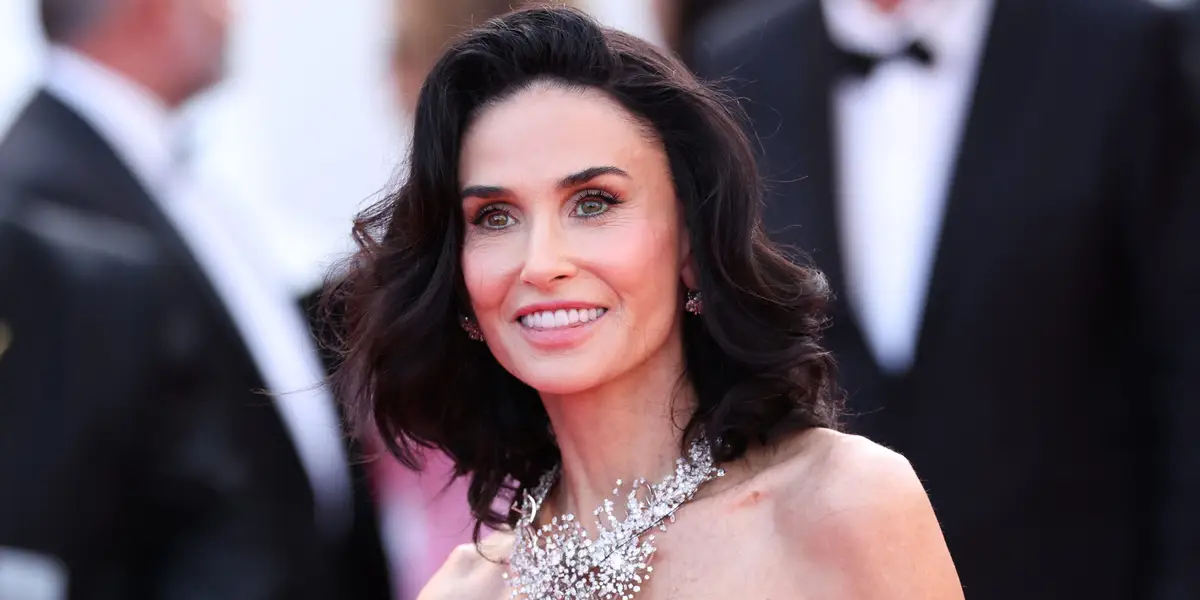
Demi Moore, 63, Shares the Daily Longevity Habit She Does With Friends
Demi Moore, 63, said her approach to longevity includes one simple daily practice with her friends.
In an interview with Harper’s Bazaar Arabia published on Tuesday, Moore said she believes in practicing gratitude every day and has made it a shared ritual within her “community of women.”
“I have a group where we share a gratitude list every day. Where we put three things we’re grateful for, three challenges or fears, and one attribute or affirmation,” Moore said. “Being seen, sharing yourself to be known, and allowing others to do the same.”
Moore views longevity as living a fuller life, rather than a battle against aging.
“The idea of longevity is investing. It’s investing in yourself. It’s investing in your family, investing in your community,” she said.
Even small connections can leave her with a sense of fulfillment, Moore added.
“If I go to bed and I’ve had a day where I’ve had an opportunity to express kindness, generosity, sometimes that generosity is just a smile, just taking the time to see one another, there’s a quality that fills me,” she said.
Moore has also spoken about her wellness routine in the past.
In an April 2025 interview, she said she meditates, journals, and follows a meat-free diet. She also said she feels more in tune with her body than she did when she was younger.
“I trust when it tells me it needs something to eat, that it’s thirsty. I listen to my body today, and I have a lot less fear,” Moore said. “When I was younger, I felt like my body was betraying me. And so I just tried to control it. And now I don’t operate from that place.”
Early this year, Moore also said she started paying more attention to her nighttime routine.
“I’ve become very intentional about my evening routine. Taking the time to truly transition from the chaos of the day into a state of rest has been life-changing, and part of that is doing my skincare,” she said.
Studies suggest that strong social ties can lead to better health and longer life, with one longevity researcher calling them as important as diet and exercise.
In contrast, chronic loneliness has been linked to poorer sleep, a weakened immune response, and a higher risk of heart disease, stroke, and cognitive decline.