Eye on AI: Juniper Forecasts AI-Fueled Banking Fraud; True Fit Sizes up Glance – Digital Transactions
Consumers and merchants may stand to benefit in many ways from agentic commerce and artificial intelligence, but fraudsters may also see what they consider plusses of the data-centric technology, with Juniper Research forecasting global fraudulent transactions in digital banking and money transfer surpassing 2.2 billion by 2031, influenced by the rise of AI-enabled attacks.
Juniper says if its prediction materializes, it will represent a 180% increase in these fraudulent transactions from 773.7 million in 2025. It forecasts the 2031 North American share of these transactions at 132.6 million, the sixth largest of the eight regions in its report.

AI will have an impact in lowering the costs of fraud attacks, Juniper says.

“By lowering costs of producing [personalized] social engineering attacks at scale, AI is making bank customers increasingly viable fraud targets,” Juniper says in a statement. “This represents an accelerating shift away from the compromising of banking infrastructure towards targeting end-user customers and authenticated payment journeys via social engineering attacks.”
Emerging agentic AI will allow criminals to coordinate multi-stage attacks and make dynamic adjustments as victims and controls respond to their threats, making it more likely the fraud could become more persistent, personalized, and difficult to identify, Juniper says.
United Kingdom-based Juniper says financial institutions should do more than detect suspicious transactions, adding they should employ AI as a counterweight. They can do this by using AI to build a continuous view of customer risk and analyzing how behavioral, identity, and payment signals evolve together to make it easier to intervene before a fraudulent transaction is authorized.

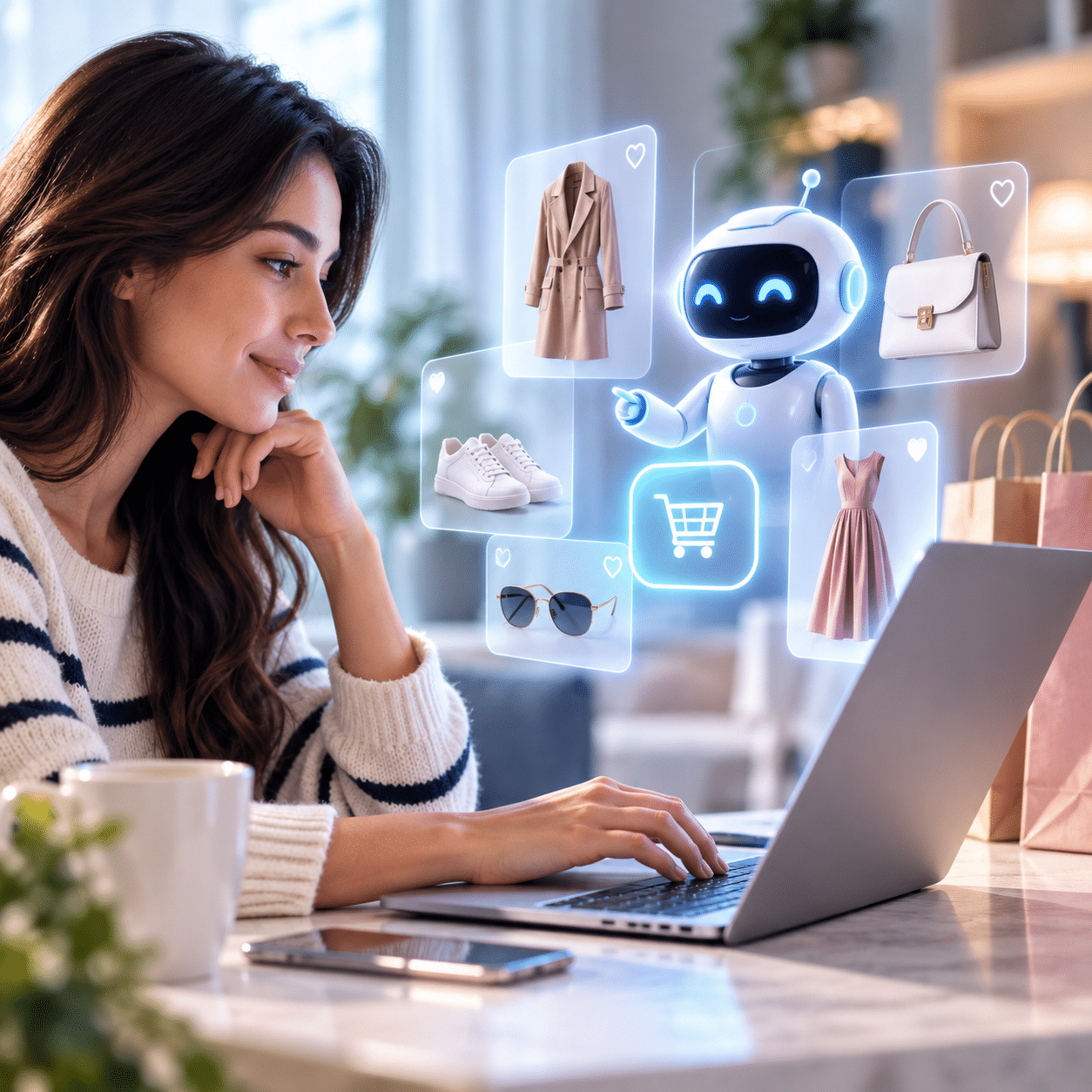
On the more positive side of using AI, True Fit, which helps consumers find the right size for apparel when shopping online, says its service will be integrated into Glance, an intelligent shopping agent.
True Fit says its customer data show that more than 70% of fashion shoppers’ questions to AI agents are related to fit and size. This integration will help address these questions.
When using Glance, shoppers will be able to discover a style, virtually try on a product, and ask questions in a conversational interface. They’ll receive guidance to help resolve their inquiries using product attributes, the context of their inquiries, and with True Fit’s intelligence layer.
True Fit’s technology will begin appearing in Glance during the 2026 holiday shopping season and will make virtual try-on capabilities available to more True Fit retailers in 2027. Glance says its AI-enabled shopping service is used on 60 million devices, including mobile, TV, and desktop PCs.