Bank of Canada’s Macklem flags risk of delaying rate hike too long

By Erik Hertzberg
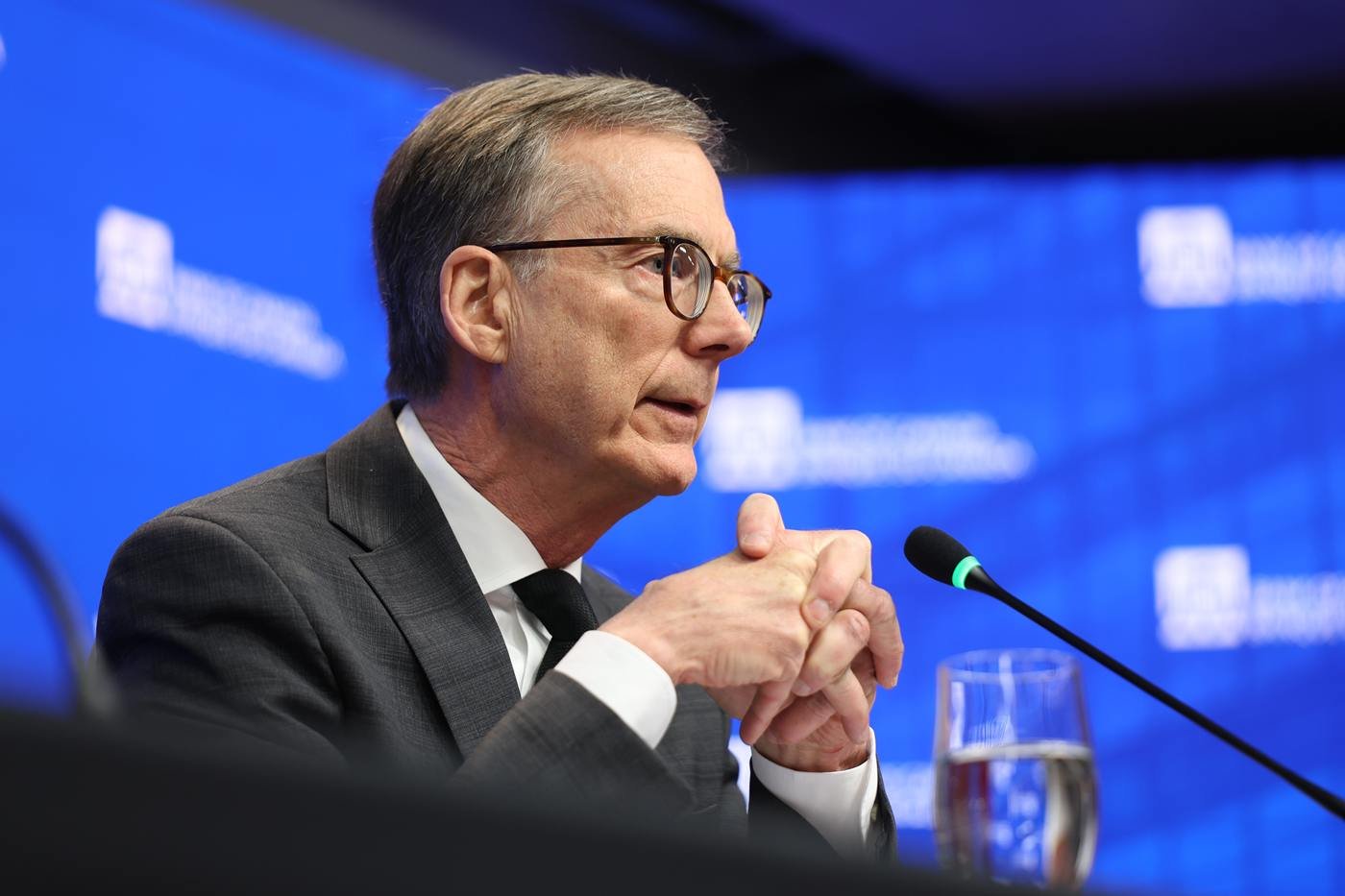
(Bloomberg) — Bank of Canada Governor Tiff Macklem said policymakers don’t want to be late to hike interest rates should inflationary pressures prove to be stubborn.
In the text of a speech to be delivered in Halifax, Nova Scotia, Macklem said that while officials don’t want to hike borrowing costs if prices remain contained, the conflict in the Middle East has increased the risk that inflation stays elevated and broadens.
“We don’t want to raise our policy rate and restrain growth if inflationary pressures are contained. But nor do we want to be too slow to respond if inflationary pressures are becoming more persistent,” he said.
The yearly change in the consumer price index has remained around 3% largely due to higher gasoline prices, Macklem said. “As things stand now, if oil prices stay near $100 per barrel, we would expect inflation to edge up in the coming months.”
The governor’s comments match the hawkish tone he struck at the bank’s decision earlier this month, where he warned inflation was too high.
In the speech, he also downplayed the risk posed by new U.S. tariffs on Canadian exports. And though the latest flare-up in trade tensions will “hit affected sectors hard” and the unpredictability could further delay investment and hiring plans for firms, Macklem says the bank sees limited damage from the new levies.
“When we look at the overall economy, we don’t expect a large direct effect,” he said, referring to the latest round of U.S. tariffs on Canadian exports. “The affected products represent about 5% of Canada’s goods exports to the United States, and federal government support programs should mitigate some of the harm.”
The bank has created a new forecasting model, dubbed Prima, to help distinguish between temporary inflation pressures and those that could prove more persistent. It will be used for the first time in the October monetary policy report, and Macklem says the new model will help the bank “consider alternative economic scenarios.”
“If these new tariffs remain in place, growth could be roughly halved in the fourth quarter, to below 1%,” Macklem said.
©2026 Bloomberg L.P.
Visited 12 times, 12 visit(s) today
Bank of Canada bloomberg BoC Dashboard inflation Prima speech tariffs tiff macklem Tiff Macklem speech
Last modified: September 21, 2026