Office sector continues to feel pressure from ongoing loan maturities
Uncertainty in the office sector is on the rise, as landlords face the problem of office loan maturities expected to peak in the next few years, according to a report from CommercialCafe.
An estimated 14,000 office properties are encumbered by $289.2 billion worth of loans that have recently matured or are due to mature by the end of 2028, CommercialCafe writes. Nearly 59% of those loans were originated before 2021, under the assumption that demand for office space “would sustain loan obligations through maturity.”
But that didn’t happen. Instead, the sector has gone through tremendous upheaval. Office vacancies and interest rates have risen while the value of office properties has plummeted. In August, the national office vacancy rate was at 17.8% and five-year fixed-rate office building loans were above 7%.
Advertisement

Since 2024, 73% of properties sold in central business districts (CBDs), with two or more sale prices for comparison, have traded at a discount. Urban sales not in CBDs have fared better, with 48% trading at a discount. Suburban markets have seen 42% of sales priced at a discount.
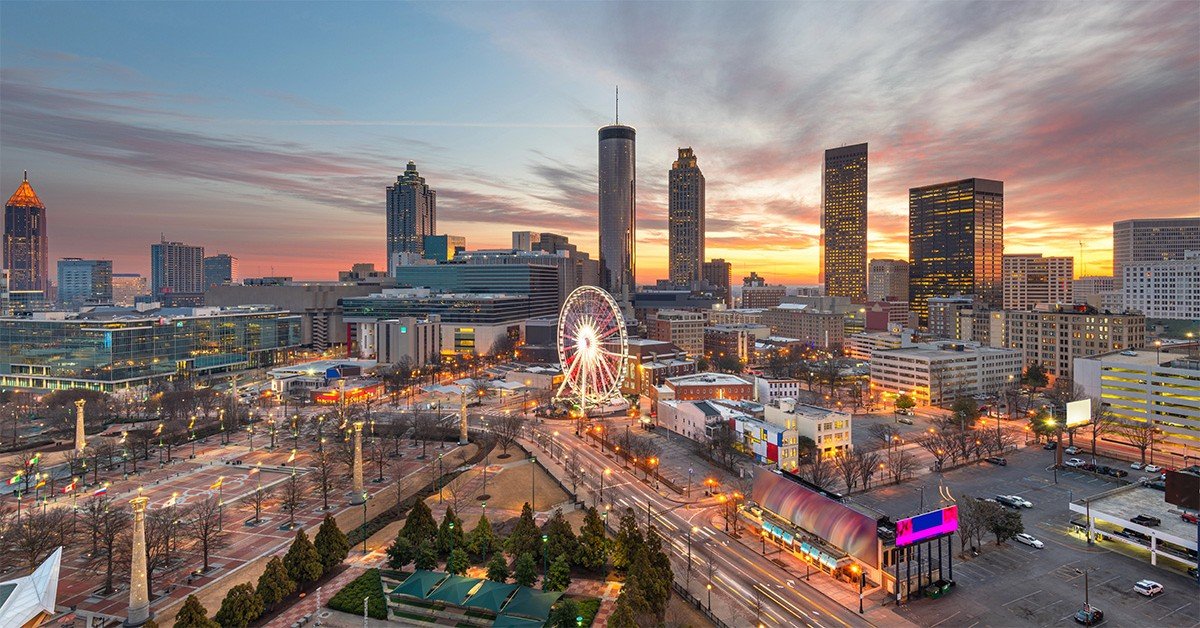
CommercialCafe highlighted the Atlanta market, where so far this year acquisitions have surpassed $875 million, with the year-to-date average sales price of $158 per square foot. That is down nearly 33% from its peak of $235 per square foot in 2022, but only down 7.1% from 2019 prices.
In June, a 650,000-square-foot office building in Atlanta sold for $49.5 million, a 28% discount from its previous sale in 2015, when the property fetched nearly $69 million.
How property owners and their banks deal with refinancing of loans amid rising interest rates and lower valuations will be a major issue in the coming years. So far, both property owners and banks have tended to work together to extend some loans that have reached maturity. Other owners refinanced by bringing fresh equity to the deal.
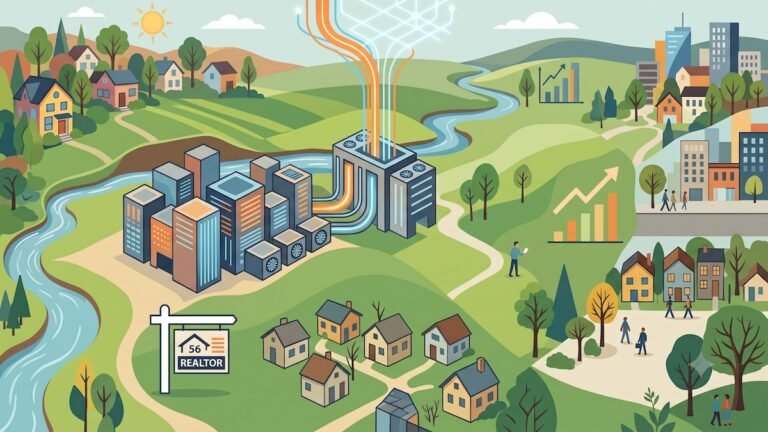
But not all is doom and gloom. The rise of companies involved with the development of artificial intelligence has increased office demand, helping property values rise and vacancy rates fall. Also playing a role is the push to convert empty office towers into apartments, which is helping reduce the available supply of office space.
Office towers continue selling
Despite the financial unknowns, property sales are moving forward. As of August, nearly $43 billion had been spent in 1,850 transactions. Sales prices averaged $205 per square foot. CommercialCafe reports that 19 of the nation’s top 25 metropolitan areas analyzed saw overall sales in excess of $500 million and 11 markets saw sales of more than $1 billion.
New York City, as usual, led the nation in sales, with $5.16 billion in office properties changing hands. The San Francisco Bay Area was a distant second at $3.44 billion worth of properties being sold. Dallas was third at just over $3 billion.
The lowest sales level was in Detroit, where $90 million in office space changed hands, followed by Portland, Ore., where $136 million in transactions took place. Tampa, Fla., came in third with $227 million in acquisitions.
The slowing construction pipeline has also helped stabilize the office market. As of August, CommercialCafe found that little more than 32 million square feet of office space was under construction in the top 25 U.S. markets.
Of that total, only 2.7 million square feet are being built in CBDs, which is a drop of 61.3% from August 2025. Urban construction outside central business districts is down 4.1% from a year ago and construction in suburban areas dropped 18.8% in the past year.
Also, the top six markets accounted for nearly 47% of the already modest construction pipeline. Manhattan has the most office space under construction, with 3.75 million square feet. It is followed by Boston, with 3.59 million square feet, and Dallas, with 3.03 million square feet in the pipeline.
The other cities with more than 1 million square feet under construction include Miami, with 2.22 million square feet; San Diego, with 1.31 million square feet; and Los Angeles, with less than 1.26 million square feet.