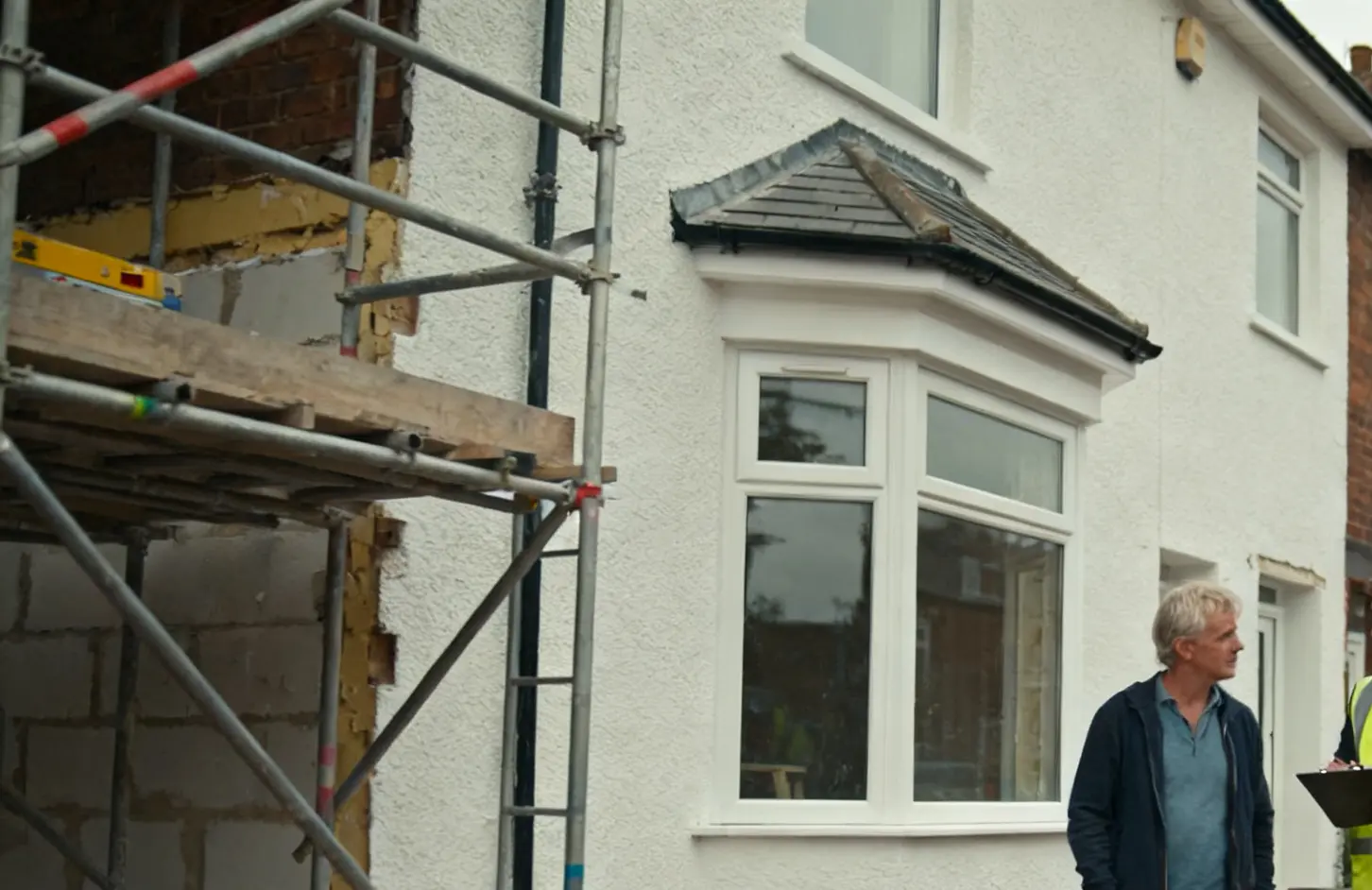
Government launches register to tackle rogue builders
The government has launched a register of trusted traders and a payment app this month aimed at protecting homeowners from fraudulent builders, following reports that 4.8 million homeowners experienced problems with home repair jobs in the previous 18 months.
According to Citizens Advice data published in July, approximately 1.7 million homeowners had to pay additional costs to fix earlier work or were overcharged, losing an average of £750 each. For one in 10 cases, the extra cost exceeded £5,000.
The initiative, announced by Andy Burnham as one of his first promises as prime minister, includes the Trusted Payment app, endorsed by the Chartered Trading Standards Institute. The system creates milestone payments delayed by 24 hours, allowing consumers time to cancel if they feel under pressure. Payments for completed work are held in escrow by the Dispute Resolution Ombudsman until the job is finished to both parties’ satisfaction.
Protection measures
Projects costing more than £2,500 will be covered by a two-year warranty under the new system. Traders who fail to follow ombudsman decisions can be banned from the app.
James Walker, director of the Trusted Payment app, said the aim is to create a “trusted network for consumers” while helping reputable tradespeople win more business. “We are not going to stop a rogue trader going out … but we are providing a trusted mechanism so you know if you use this process you are protected,” he stated.
The announcement follows several high-profile fraud cases. Lee Slocombe, a builder from Swansea, was jailed for six years in February after defrauding nine victims of £400,000. One victim, Sheri Ingram, lost approximately £14,000 on a renovation project that was budgeted at £8,000. The builder disappeared after six weeks, leaving the property with removed floor joists, staircase, and walls.
In another case, David Vincent from Orpington, London, was sentenced to 28 months in prison for fraud by false representation and engaging in unfair commercial practices. He overcharged an 82-year-old homeowner £30,000 for roof work, approximately double the appropriate cost, and completed the work to a poor standard.
Industry response
Rico Wojtulewicz, head of policy and market insight at the National Federation of Builders, suggested that many reputable builders may choose not to join Trusted Payments because they are already busy with work. “We don’t think this is the best approach,” he said. “We believe every building should have a digital building passport – effectively a logbook recording all significant work, and who did it.”
The concerns around proper record-keeping in property transactions extend beyond construction work, with similar issues affecting other sectors of the property industry.
An investigation by Hertfordshire council’s Trading Standards service found that Vincent had grossly overcharged his victim, carried out work to a poor standard, and failed to provide information about the right to cancel. The victim’s tiles were crooked, wrong capping tiles had been fitted, and the work had to be redone, taking most of the following year to resolve.
The government’s register of trusted traders is scheduled to go live this month, though questions remain about adoption rates among established builders and whether the measures will effectively reduce fraud in the home improvement sector. The system represents an attempt to address a problem that has cost homeowners hundreds of millions of pounds in recent years, though its effectiveness will depend on participation from both consumers and legitimate traders.