A worthless inheritance: What to do with unwanted artwork
There is a great wave of money – and artwork – heading the way of younger generations. The value of the “great wealth transfer” from the post-war baby-boomer generation in Britain alone has been estimated at £5.5 trillion over the next 30 years.
Baby boomers were prolific art buyers. “Spending on art accelerated as the rich got richer, moved into ever-larger houses and became eager to splash out on discretionary purchases,” says Felix Salmon on Bloomberg. That in turn led to a boom in artists who could afford to live by the brush. There were 8,300 artists whose works had sold at auction in 1988, according to the Artnet Price Database. In 2012, that number had ballooned to 90,275.
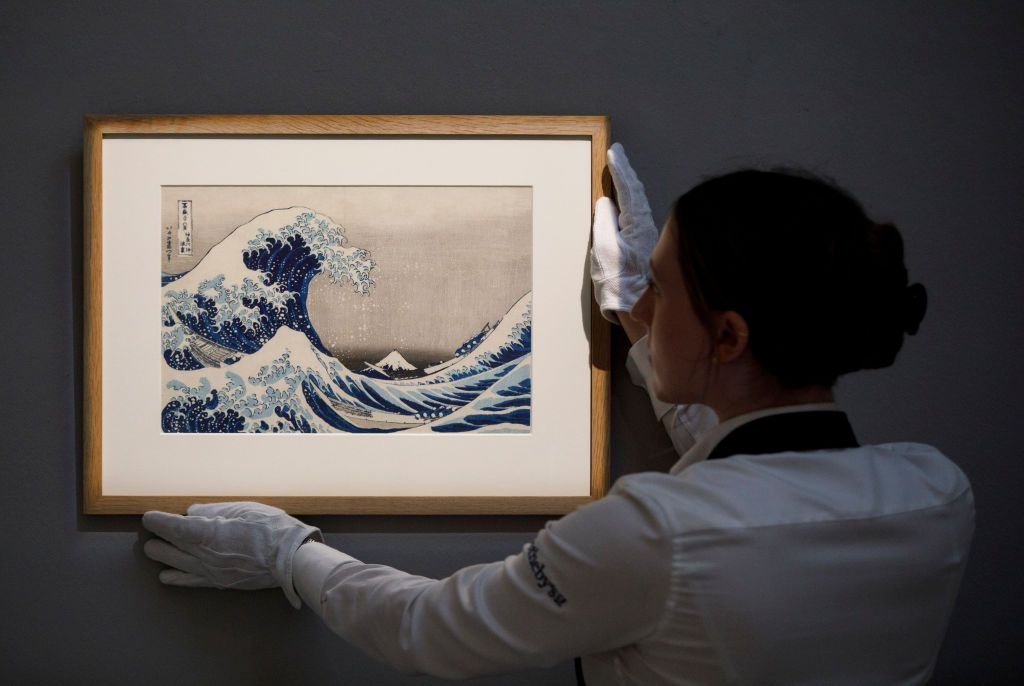
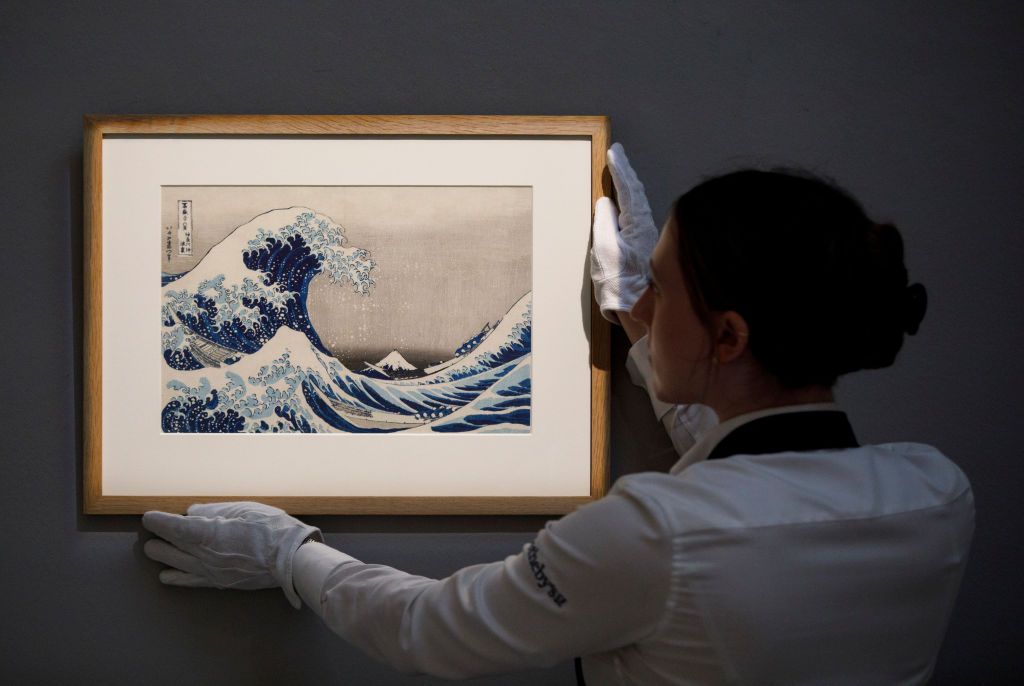
Sadly, unlike Hokusai’s Great Wave – a print of which came from a single-owner collection amassed over years to sell for HK$21.7 million (£2 million) in Hong Kong last October – the great art wave racing towards the younger generations is mostly made up of works of questionable value. What to do with it all? “The sheer tonnage of boomer-owned art is vast, and the total demand for it doesn’t come close to the amount of supply that’s about to arrive,” says Salmon.
Sign up to Money Morning
Don’t miss the latest investment and personal finances news, market analysis, plus money-saving tips with our free twice-daily newsletter
Don’t miss the latest investment and personal finances news, market analysis, plus money-saving tips with our free twice-daily newsletter
The big auction houses are only interested in the most-valuable artworks. So, that’s fine for the likes of businessman Joe Lewis, 89, whose collection of paintings by Freud, Bacon and other celebrated artists sold for £296.3 million in late June to become the most valuable single-owner collection ever sold in London. And it’s fine for the estate of the late Microsoft co-founder Paul Allen, whose collection fetched $1.6 billion in 2022 to set the global record. Other inheritors will count themselves lucky if they can slough off a painting or two to the local auctioneer. More probable, says Salmon, the whole lot will be sold to a professional estate liquidator.
What can you do with the unwanted artworks?
You could, of course, simply give them away. The cultural gifts scheme and acceptance in lieu can both be used in Britain to reduce inheritance tax bills.
But the artworks must be of a sufficiently high calibre and you must be able to find a museum or gallery willing to take them. That’s not a given, since it involves a lot of time and expense, from cataloguing and restoring artworks to insuring and keeping them safe if not for immediate public display. And increasingly, museums can take their pick, because they are not short of offers.
So, after all that, you might as well admit defeat and keep the damn thing – which is probably what the original collector had intended or hoped you would do from the start. The trouble is, fashions change and what was fresh and exciting half a century ago may seem dull or worse in the social-media age, or the artist may have faded from memory, rendering their works worthless. It is a conundrum inheritors of art will have to face in the coming years.
This article was first published in MoneyWeek’s magazine. Enjoy exclusive early access to news, opinion and analysis from our team of financial experts with a MoneyWeek subscription.