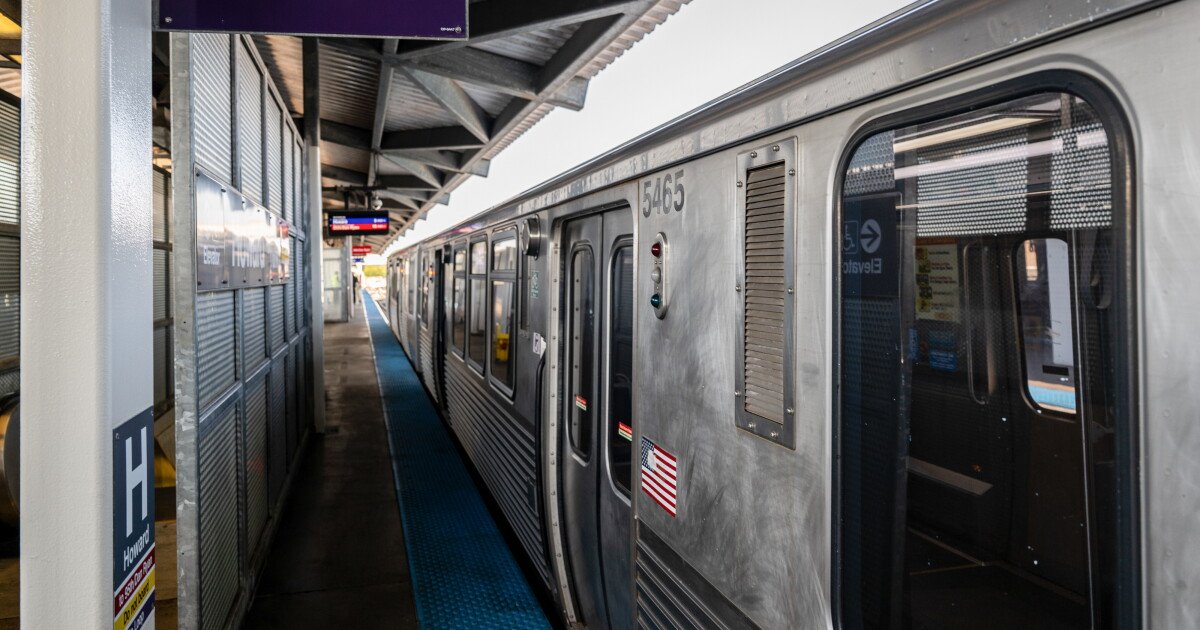
Transit systems face new ridership reality

Bloomberg News
Transit systems have to adapt to a new ridership reality and the changed baseline it brings, but some, including the Chicago Transit Authority, have reoriented service and prevented operating challenges from becoming credit problems.
Processing Content
That’s the word from speakers on the public transit panel at The Bond Buyer’s 2026 Infrastructure conference this week in Chicago.
The CTA has taken a hard look at the changing nature of travel demand, which now includes fewer trips to work and more trips of other types, such as going to doctor’s appointments, said Tom McKone, CFO of the CTA.
“There is not going to be the same demand for commuting trips as there was in the past, that’s just a reality,” he said. “Mondays and Fridays do look different than they have historically. So, how do we start to look at… who transit is serving?”
Because many transit agencies’ debt is secured by sales taxes and income taxes, rather than directly from farebox revenue, transit systems’ financings have been largely insulated from the disruption to transit operations of recent years. They remain among the highest-rated paper in the muni market, said Peter Scherer, senior director of public finance at KBRA.
“Obviously, work from home is here to stay, but increasingly looks like a new baseline rather than a creeping, escalating pressure,” he said. “A lot of systems still have work to do to develop stable, long-term operating models around the new ridership baseline,” but the overall picture is stable and improving.
The systems feeling the greatest pinch have the highest reliance on farebox revenues. But those also tend to be the most utilized and essential systems, and additional revenue support has been “pretty forthcoming,” he said, listing transit systems in New York, Chicago, Boston and San Francisco as examples.
“The encouraging credit story here is that operating challenges have not, by and large, become bond credit problems,” he said.
The CTA started out as a laggard post-pandemic, but then reoriented service, and “really look like they’ve adjusted better than many other systems at this point,” Scherer said.
Illinois Gov. JB Pritzker signed
The model of the sales tax as the traditional funding source for transit agencies is coming under strain, said Collin Teague, managing director at Siebert Williams Shank.
“I wouldn’t say we’re running out of sales tax, but it’s becoming much more limited, given the fact that projects are much more capital intensive,” he said. “They’re costing more, and there’s hesitancy from the public… on the state and local level (around) increasing sales tax measures or approving additional sales tax measures.”
Many of these transit agencies also use sales tax revenue for operations, compounding the strain, he said. So alternative revenue sources, like payroll mobility taxes or income taxes, are becoming more important.
“We’ve seen some successful models (such as with New York City’s) MTA and their real estate transfer tax” and success in Chicago with tax increment financing, he said, adding that investors are drawn to these investments because of the insulation from operations.
Teague also pointed to Los Angeles County’s metro managed lanes project and congestion pricing in New York City as user fees or tolls that have been successful. “There’s high demand for these types of credits because the investment can get yield,” he said.
Looking ahead, resilience is becoming more important, Scherer said. “When we’re talking about cyber attacks and physical risks like flooding and extreme weather, those risks can very quickly turn into service disruptions, economically expensive capital costs, and loss of air revenues, as well as liquidity pressure,” he said.
Technology adoption and operational flexibility are also key to successful transit systems, he said.
And successful transit systems paint a better picture to the public, which lends itself to more funding, Teague said.
“A lot of times investors are looking at the credit of the actual security of the bonds that they’re purchasing and not necessarily the operational status of facilities,” he said. But “to have that momentum of increased reliability and operational efficiencies… provides a better qualitative credit positive for investors.”