Mortgage rates now perched just below 7%, says Freddie Mac
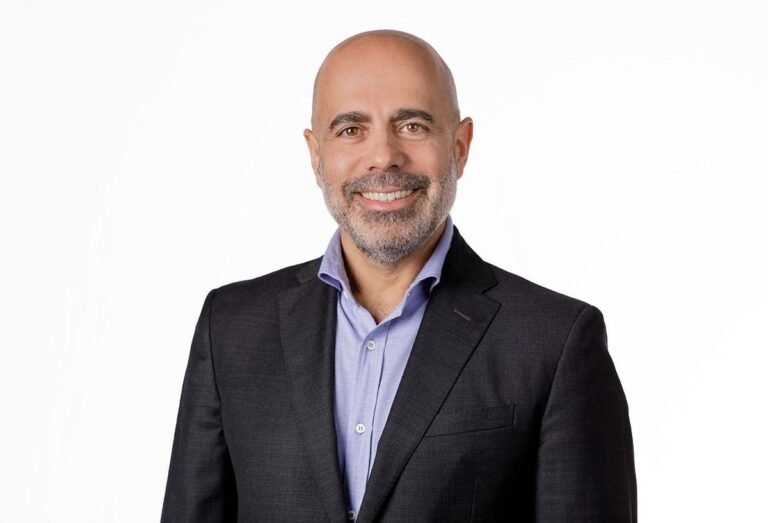
Jay Lessard, president and senior loan officer at Sonoran Lending in Scottsdale, Arizona, told Mortgage Professional America that clients are already registering the impact, even if most aren’t monitoring the Fed day to day.
“Most consumers aren’t necessarily following the Fed meeting day to day, but they’re feeling the effects of higher rates and the overall cost of carrying debt,” Lessard said.
“Credit cards, auto loans, and other monthly obligations have become increasingly expensive, so we’re having more conversations about using home equity through HELOCs or fixed-rate second mortgages to improve monthly cashflow and get their finances in a better position.”
Lessard said a broad buyer retreat was unlikely, however. “I do think the recent rise in bond yields and mortgage rates will cause some buyers to step back temporarily, particularly those who are already stretched from an affordability standpoint. But I don’t think it will push everyone to the sidelines.”
The broader affordability picture has deteriorated steadily since mid-year. According to the National Association of Home Builders (NAHB)/Wells Fargo Cost of Housing Index (CHI), a family earning the national median income of $106,800 would need to allocate 34% of earnings to cover mortgage payments on a median-priced new home in the second quarter, up from 32% in Q1, as rising rates eroded gains made earlier in the year.