Elon Musk Promised “Over a Million Robotaxis” by 2020. None Materialized, and a Dedicated Robotaxi Fleet Isn’t Expected Until at Least 2027. Here’s What That Track Record Means for Tesla’s Valuation.
“If you fast forward a year, maybe a year and three months, but next year for sure, we’ll have over a million robotaxis on the road.”
You’d be forgiven if you thought that quote from Tesla (TSLA -0.67%) CEO Elon Musk came during the company’s Cybercab event earlier this month or a recent investor event. In fact, Musk shared that prediction at Tesla’s Autonomy Day back in April 2019.
Musk has a track record of making overly optimistic predictions about his companies. That means relying on his comments during earnings calls can lead to extreme overvaluations for the business.
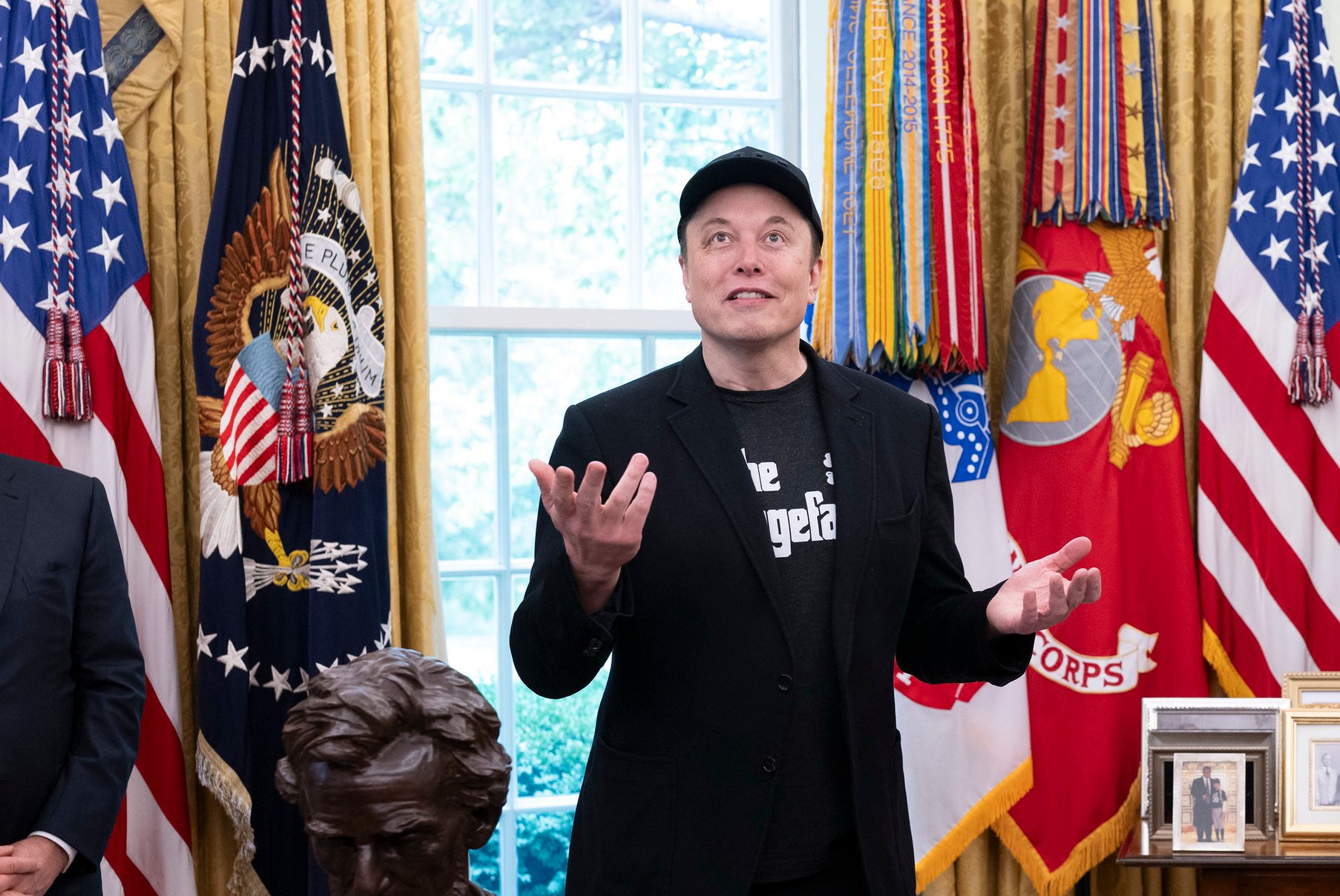
Tesla CEO Elon Musk. Image source: The White House.
Why Musk’s predictions are so important for Tesla
Tesla isn’t a car company. At least, that’s what investors would argue. There’s no other car company that would be valued at 12.5 times sales or 339 times earnings. The largest car companies in the world trade at price-to-sales ratios below 1.
Tesla’s valuation is derived primarily from the promise of physical artificial intelligence. That category includes everything from full self-driving cars to bipedal humanoid robots. The company sees the potential for both to generate significant revenue and earnings in the long run.
The question for investors is when those businesses will actually generate meaningful revenue. Tesla started testing robotaxis in Austin last summer, and expansion has gone slowly. It has less than 500 robotaxis registered in Texas as of this writing.
But Musk argues it can scale extremely quickly once it’s ready to roll out the service to more customers. Theoretically, every Tesla owner could place their car into service as a robotaxi, with Tesla taking a cut of the revenue.

Today’s Change
(-0.67%) $-2.39
Current Price
$356.58
Key Data Points
Market Cap
Day’s Range
$354.05 – $362.39
52wk Range
$297.38 – $498.83
Volume
30.3M
Avg Vol
40.1M
Gross Margin
18.85%
Meanwhile, Tesla’s largest rival, Waymo, majority owned by Alphabet, is seeing good progress scaling its own robotaxi service. It just launched in three new cities in September with dozens more on the way. Waymo uses additional sensors, including lidar, to facilitate self-driving. Musk argues that unnecessary and expensive sensors are a waste. But over the years, as Tesla’s full self-driving has been delayed repeatedly, the cost of lidar has come down, and the cost savings may not be worth it at scale (especially if Waymo is able to save on other costs like AI training or insurance).
The next move forward for Tesla is its Optimus robot. Musk’s big promise is manufacturing capacity for 1 million Optimus 3 units per year within the next five years. He believes the robot will account for 80% of Tesla’s value going forward. Further, he has aspirations for production capacity of 10 million robots per year.
Investors need to consider just how big Tesla’s businesses could really become. The problem is there’s no concrete data on how autonomous vehicles could affect the size of the ride-sharing market, let alone what percentage of the market Tesla could capture despite its lack of advanced sensors. There’s even less data on the demand for humanoid robots from businesses or consumers. Musk is anchoring investors to big numbers, but his track record suggests he’s overestimating both the size and timeline. That could make Tesla shares very overvalued.