What banks can expect if Democrats sweep Congress
- Key insight: If Democrats win control of both chambers of Congress, they would use committee oversight powers to stall and question the administration’s agenda, even if they lack the votes to enact many of their own legislative priorities.
- Forward look: Crypto, national trust charters and Trump administration official misdeeds would be prime targets for scrutiny, with regulators and housing officials likely facing aggressive questioning.
- What’s at stake: Banks could also face renewed scrutiny of capital rules, mergers and supervision, though Democrats would need Republican support and Trump’s approval to enact major legislation.
WASHINGTON — Democrats are favored to flip at least one chamber — if not both — in the upcoming midterm elections, and the party might look different than the one that ceded control of Washington in 2024.
Processing Content
While banks aren’t expected to be the epicenter of the opposition party’s ire, the broader financial sector may absorb some of the blowback to the tumultuous
The House is the most likely chamber for Democrats to regain control. The Cook Political Report’s latest ratings put 21 Republican-held seats in the Toss Up category, compared with five Democratic-held seats; another seven Republican seats are now rated Lean Republican. That puts Republicans in a defensive crouch for a much larger share of the battlefield seats, particularly in states such as Arizona, Iowa, Michigan, New York, Pennsylvania, Texas and Virginia.
The Senate map is more complicated. Democrats would need to net four additional seats to win a majority without losing any of their own. Six Republican-held seats are currently rated Toss Up by Cook: Alaska, Iowa, Maine, Michigan, Ohio and Texas. Georgia, North Carolina and New Hampshire are rated Lean Democratic, giving Democrats several opportunities to gain ground, but Republicans also have 14 seats rated Solid Republican and two more rated Likely Republican.
A number of more progressive Democrats — including some members of the Democratic Socialist Party of America — have performed well in their party’s primaries, which could spur more moderate party members to embrace more populist policy ideas.
“If you see the rhetoric by the minority leader in the House, and as well as in the Senate minority leader, I think what they are trying to assess is really what broadly do democratic socialists have that are aligned with public policy perspectives of the current Democratic minority leadership,” said Peter Dugas, head of regulatory intelligence at Capco. “They are trying to thread the needle there, recognizing — much as Republicans did with the Tea Party — that they will have power in the next Congress.”
The most tangible effect of Democratic control of either chamber would be the passing of committee gavels from a party friendly to the administration to one hostile and suspicious of it.
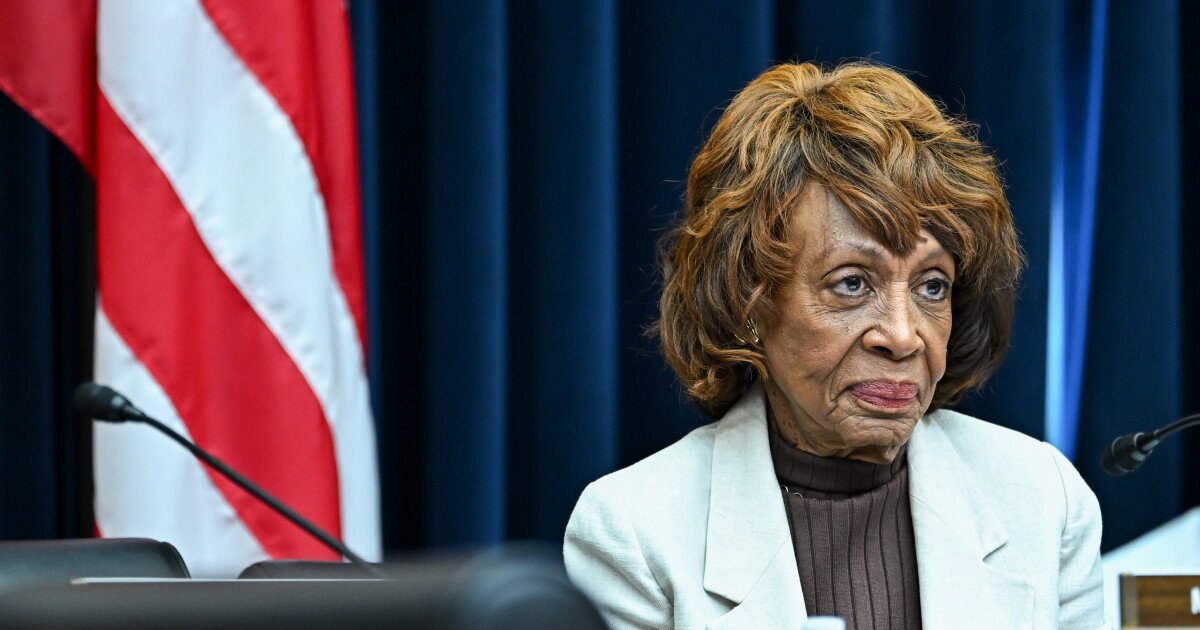
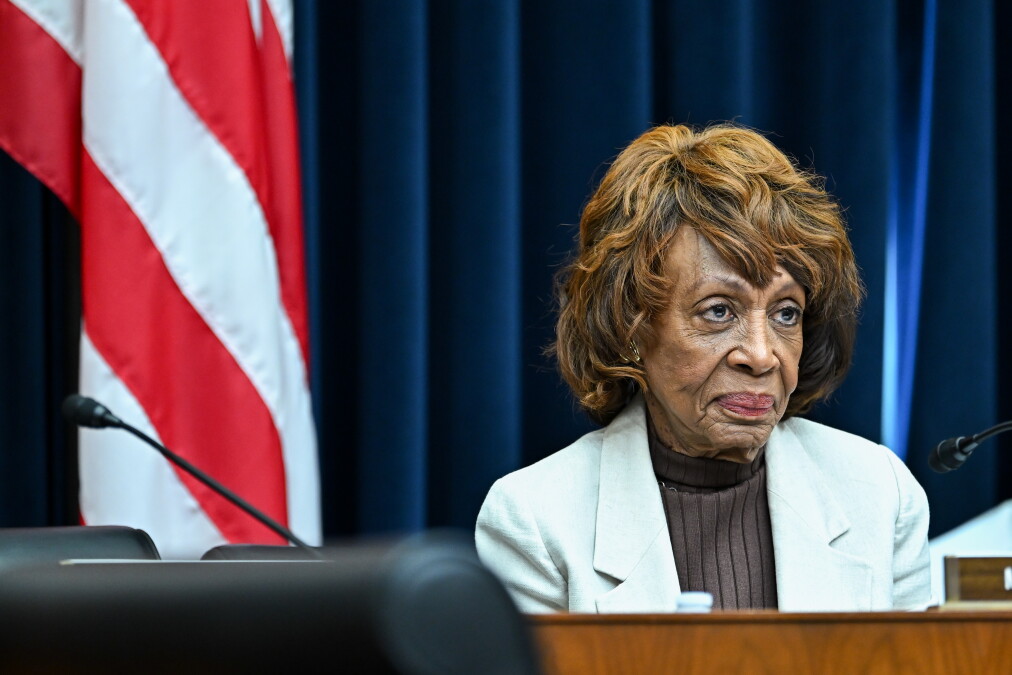
Rep. Maxine Waters, D-Calif., who has long served as the top Democrat on the House Financial Services Committee, would most likely lead that committee if Democrats retake the House; Senate Banking Committee ranking member Elizabeth Warren, D-Mass., would likely lead that committee if Democrats win the Senate.
Read more:
Democrats can also hamper the administration’s agenda even if they are unable to enact their own legislative priorities. Committee chairmen control hearings, can issue subpoenas, compel testimony and lean into the committee’s oversight function, giving Democrats a way to put pressure on regulators and financial companies even without legislation reaching the president’s desk.
If Democrats retake the Senate, they would also gain leverage over the administration by controlling the confirmation of executive nominees — including financial regulators.
But oversight will be the name of the game with Democrats in charge, said Justin Schardin, vice president for financial services at CFRA Washington Analysis. Leading areas of inquiry will likely be the Trump administration’s approach to bank regulation, the president’s involvement with crypto — including the president’s own crypto firm, World Liberty Financial, which
“For financial services, two things stand out,” Schardin said. “One is World Liberty Financial. If you go to a hearing today with the bank regulators, at least half the questions are about Trump’s crypto holdings. It’s tailor-made for oversight.”
Federal Housing Finance Agency Director Bill Pulte will also be a likely target for Democrats’ inquiries, Schardin said. Pulte was instrumental in raising allegations of mortgage impropriety against several prominent Democrats — including Sen. Adam Schiff, D-Calif., New York Attorney General Letitia James and Federal Reserve Gov. Lisa Cook — in what critics characterize as an abuse of power meant to bring retribution on the president’s perceived enemies. As FHFA director, Pulte is required to testify before the Senate Banking and House Financial Services committees annually, and he has yet to do so.
“The other is Bill Pulte,” Schardin said. “He hasn’t testified yet despite the requirement. I would expect the committee to subpoena his records.”
For banks themselves, Democrats would also have an opportunity to revisit the broad deregulatory push that has been under way since Trump took office for the second time. Capital requirements, merger approvals and bank supervision could all become subjects of hearings, particularly if Democrats argue that regulators have moved too quickly to loosen rules. Large bank mergers could receive particular scrutiny, while Democrats could also use oversight to examine whether regulators are giving adequate attention to consumer protection and financial stability.
While Trump would be able to veto any bill Democrats pass — a veto that Democrats would be unlikely to override with presumably slim majorities — there are some must-pass bills in the 120th Congress that may provide opportunities for Democrats to attach riders. Appropriations and defense spending bills are likely targets, though the riders would also likely have to be modest and bipartisan to successfully pass.
“There may be some areas regarding, let’s say, credit card interest rates or other areas where maybe the president would agree with a Democratic bill that would make its way through the Congress,” Dugas said.