Canadian inflation holds at 3% amid slower gasoline price growth

By Nojoud Al Mallees
(Bloomberg) — Canada’s inflation rate was unchanged at 3% last month, matching expectations as gasoline prices rose at a slower annual pace.
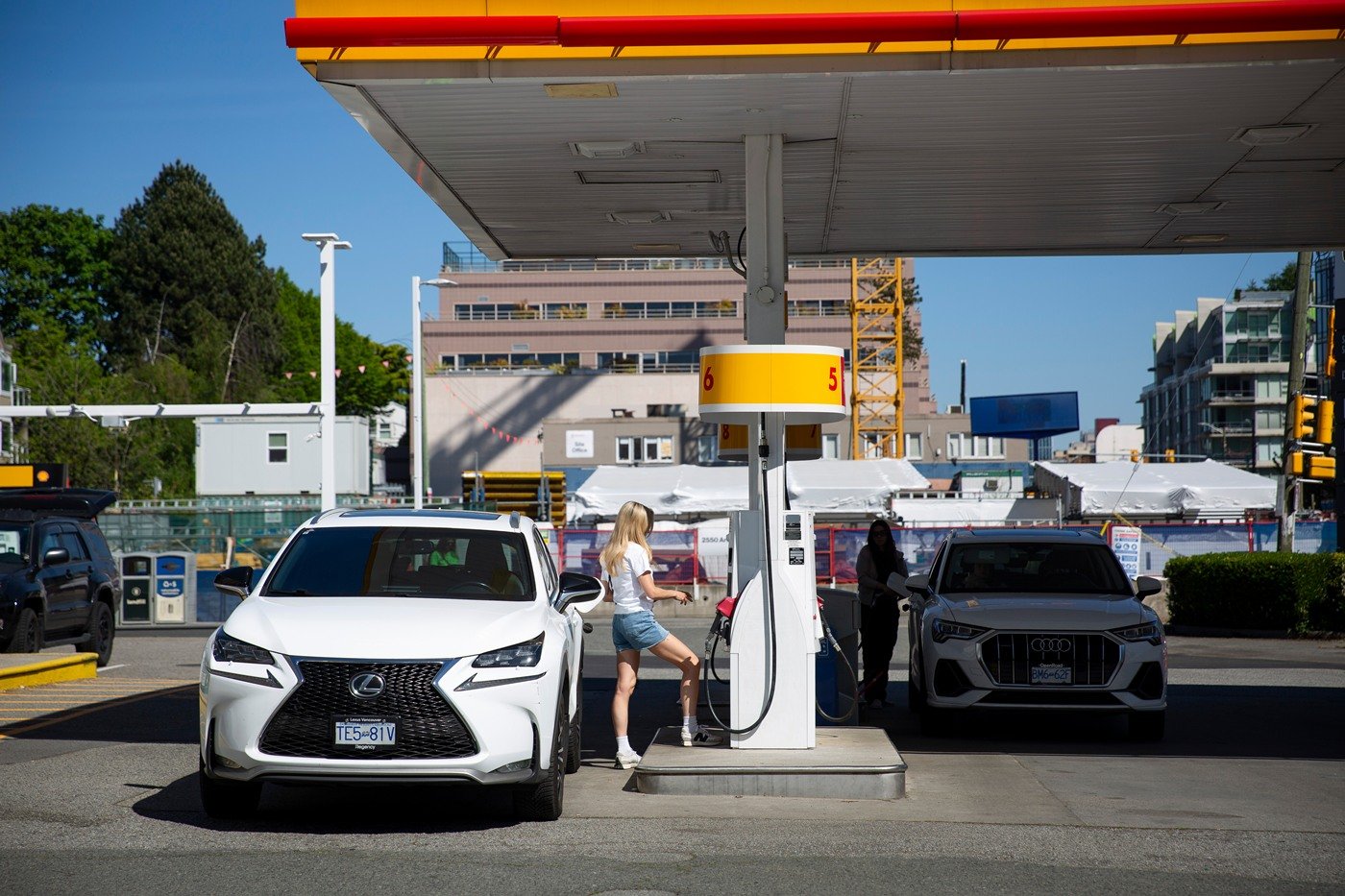
While the conflict in the Middle East continues to put upward pressure on energy costs, prices at the pump were 22.8% higher in August than a year earlier, Statistics Canada reported on Monday. That followed a 25.7% increase in July.
The year-over-year slowdown in gasoline prices was offset by higher prices for travel tours and rent.
On a monthly basis, the consumer price index fell by 0.1%, also matching the median estimate in a Bloomberg survey of economists. The Bank of Canada’s preferred median and trim core measures of inflation were unchanged as well at 2% and 1.9%, respectively.
The data suggest underlying price pressures remained under control in August, even as the Bank of Canada grows increasingly concerned about inflationary risks from the Iran war.
The two-year benchmark Canada yield traded about 3 basis points higher at 3.384% as of 8:51 a.m. in Toronto. The Canadian dollar was 0.3% weaker against the US dollar, trading at its lowest intraday level since Sept. 2.
“Underlying inflation remains contained, but Bank of Canada officials will increasingly be looking at the coming passthrough from high oil prices in determining the future path of monetary policy,” Desjardins Group’s Royce Mendes wrote in a note to clients.
Bank of Canada Governor Tiff Macklem warned earlier this month that the longer the conflict in the Middle East goes, the more likely higher energy prices feed through to other prices in the economy.
Macklem said that while renewed trade tensions with the US add to inflation risks, elevated energy prices are a bigger concern.
Hotter-than-expected US inflation data has also solidified expectations of a rate hike by the Federal Reserve this week.
Traders in overnight swaps put the odds of a rate hike by the Bank of Canada next month at about 75%, remaining unchanged after the CPI release.
But many economists say the rate hike expectations may be premature, as the economy shows signs of slower growth in the third quarter, and core measures of inflation remain subdued around the 2% target.
“Yes, core inflation is likely to move up in the coming months, but off a very low level, and is expected to remain with the BOC’s comfort zone. That is driven by our expectations for modest growth in Canada, as the economy continues to be weighed down by the uncertainty and tariffs on our exports to the US,” Leslie Preston, managing director and senior economist with Toronto-Dominion Bank, wrote in a note to investors.
At the same time, there is some evidence that elevated energy costs may be spreading through to the broader economy. The share of CPI components rising at or above 3% rose in August to 37.3% from 34.8% in July.
A three-month moving annualized average of the central bank’s core measures also accelerated to 2.19%, from 2.01% the previous month. Yearly inflation excluding food and energy rose to 2.1% from 1.9%.
Meanwhile, travel tour prices rose at a faster annual pace of 26.1% in August following a 15.2% increase in July, in part due to a base-year effect. A pullback in travel to the US last year weighed on prices in August 2025.
Rents also rose faster at 2.8% annually, up from 2.5% in July.
Meanwhile, grocery price inflation fell below the headline inflation rate for the first time in about two years, rising 2.8% year-over-year, after increasing 3.1% in July.
–With assistance from Mario Baker Ramirez.
©2026 Bloomberg L.P.
Visited 1 times, 1 visit(s) today
Bank of Canada bloomberg Dashboard inflation statcan statcan inflation statistics canada Statistics Canada inflation
Last modified: September 14, 2026