Public insurance registry: 6 things that could change with PIR; Know Your Agent, all policies together and more
The proposed public insurance registry (PIR) could change how you buy and manage insurance. It would connect records across insurance companies, allowing information sharing with your permission. Here are 6 changes the proposal could bring, and the challenges that remain.
All policies together
Today, your family may not know about every insurance policy you hold. PIR could consolidate policies from different companies into a single view, helping families find forgotten coverage.
If one company settles a death claim, PIR could identify policies with other insurers. With the claimant’s permission, those insurers could be prompted to start their claim processes.
Families could search for unclaimed money using other details when policy numbers are unavailable. However, incomplete older records could make it difficult to match policies to the correct person.
One request
Changing your phone number or bank account could require fewer separate requests. PIR could pass one update request to several insurers, with your permission. This could cover your address, email and nominee details too.
Verified identity information can be reused when you buy another policy, reducing the need for repeated document submissions. However, each request must clearly identify the policies and companies covered. You must be able to withdraw permission and maintain clear records of what you approved.
Know Your Agent
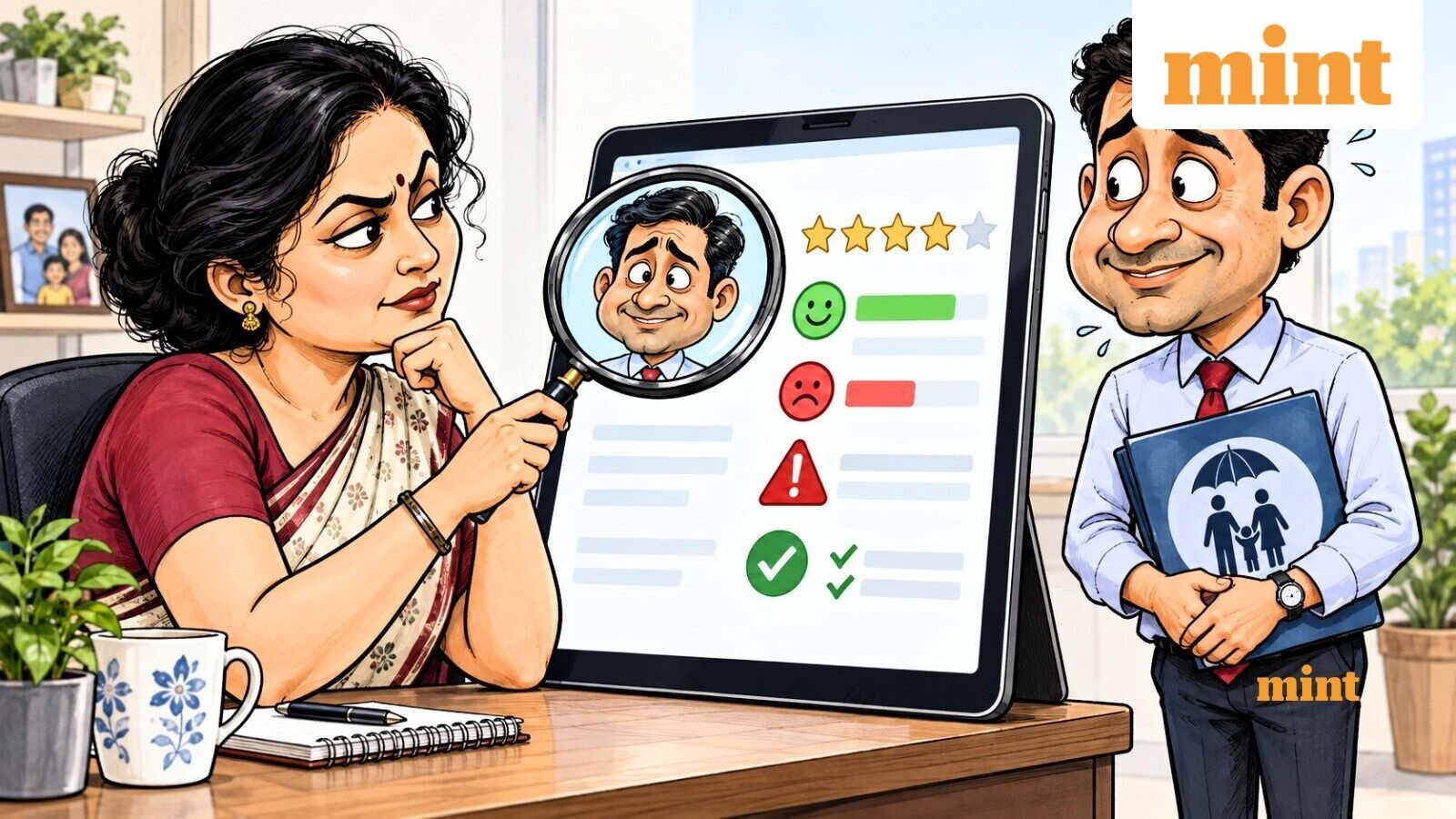
Before buying insurance, you could check an agent through the proposed Know Your Agent facility. It could show customer complaints, satisfaction levels, and instances of violations of selling policies through misleading claims. This could help you judge the person recommending a policy.
Insurance companies could also check these records before hiring or retaining sales staff. Such visibility could discourage misleading sales, but implementation matters. Entering an incorrect agent number, for example, could weaken accountability.
Comparing policies
PIR could let you compare policies using the same set of features. These could include premiums, benefits, waiting periods and treatments or situations excluded from cover.
Details could appear in your preferred language, helping you understand the options. However, displaying information alone will not ensure better choices. Customers need simple explanations of what to compare, and comparisons require common standards.
Track complaints
You could complain anytime through mobile phones, apps or websites, including voice options. PIR proposes connecting insurers with Bima Bharosa and other complaint platforms.
You could track your complaint and take unresolved issues to higher authorities. This could reduce the need to repeatedly explain your problem. However, connected platforms cannot guarantee timely solutions unless insurers are held responsible for delays.
Less paperwork
With your permission, PIR could transfer policy details and claim history to another insurer. This could help preserve completed waiting periods and bonuses earned for years without claims. Time already covered for existing illnesses could also remain recognised.
Fewer repeated documents and manual checks could make switching easier. However, these benefits depend on accurate records across all insurance companies. Final rules must clarify responsibility for errors and protection for affected customers.