Chevron Wants 600,000 Barrels a Day From Venezuela by 2031. Here’s Why That Timeline Is a Real Risk.
Students of the energy sector and financial market history know that there was a time when one of the clarion calls most frequently aimed at this industry was that “the world is running out of oil.”
That’s probably not true because discoveries of new proven reserves aren’t infrequent, and technological advancements, though expensive, make tapping new fields easier than ever. So the significant issues facing investors evaluating oil stocks, including Chevron (CVX +0.57%), are access and extraction in regions with viable oil reserves.
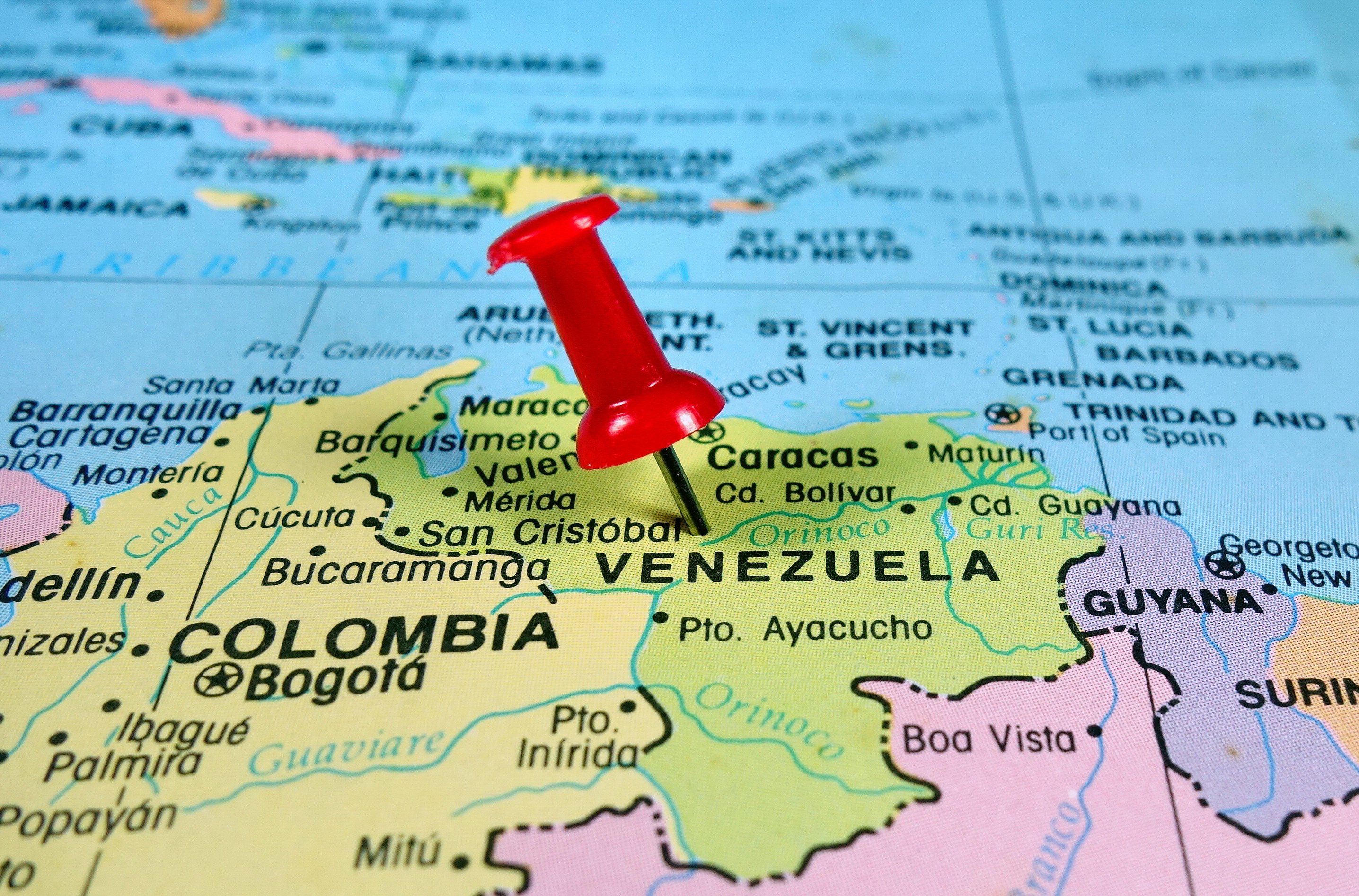
Image source: Getty Images.
That gets us to Chevron’s long-running involvement in Venezuela, a country that hasn’t always been hospitable to Western oil majors. The U.S. oil giant is planning to spend $7 billion in Venezuela during the next five years to boost its daily production there to 600,000 barrels, or more than double the current rate of 280,000 barrels.
Calling Venezuela Chevron’s Waterloo is a stretch, but more than doubling output there in five years is, at a minimum, ambitious and a roll of the dice.
Timing is everything
Unbeknownst to many investors, Chevron’s presence in Venezuela dates back more than a century. What many market participants know today, particularly in the wake of former President Nicolas Maduro’s capture earlier this year by U.S. forces, is that because Chevron stuck it out in Venezuela through previous political volatility, the company is positioned to reap the biggest rewards if the country’s oil market opens in earnest.
Related to that, President Donald Trump recently announced that the U.S. and Venezuela reached an agreement under which the U.S. gains control of 65 billion barrels of Venezuelan crude. Hence, Chevron is expanding into two more Orinoco Belt fields and pledging to spend mightily in the country.
Here’s where things get murky regarding any company substantially boosting output in Venezuela during the next several years. Some critics speculate that current Venezuelan President Delcy Rodriguez is simply playing ball with the White House and that the agreement is a facade meant to wait out Trump’s time in office. He leaves the Oval Office in January 2029, which is obviously before 2031.

Today’s Change
(0.57%) $1.20
Current Price
$209.80
Key Data Points
Market Cap
Day’s Range
$209.18 – $213.31
52wk Range
$146.49 – $214.71
Volume
23.3K
Avg Vol
8.5M
Gross Margin
18.48%
Dividend Yield
3.36%
Some oil industry insiders were quick to criticize the deal, adding that the Venezuelan fields the U.S. hopes its companies will tap in a big way, could take years to adequately develop. They didn’t explicitly define “years.” Maybe it’s three years, five, or 10, but the point is that a day may come when Chevron is pumping 600,000 barrels per day in Venezuela, though there are no promises that day will arrive in 2031.
Politics is a wild card
Experienced investors know that energy stocks are highly politically sensitive, both at home and abroad. That’s a point Chevron shareholders must consider, particularly regarding Venezuela, and for multiple reasons. First, Rodriguez is a Maduro ally, implying she could appear to be on board with the 65-billion-barrel agreement, only to go back on it later.
Second, diplomats and supporters of democracy believe that the best path forward for Venezuela is for Rodriguez to act as a placeholder until free and fair elections are held. Under that scenario, opposition leader María Corina Machado, who won a national election in 2023 but was barred from taking office, could ascend to the Venezuelan presidency. That would be good for democracy, but not necessarily for the oil agreement, which she’s criticized by saying that the country’s oil reserves aren’t the property of an “illegitimate regime.”
Machado is keenly aware that oil is an emotional issue to ordinary Venezuelans, and the commodity is integral to rebuilding the country’s economy, one that was the envy of Latin America from the 1950s up until the global energy crisis in the 1970s.
The point is, if she or another free-market candidate becomes president, Venezuela could be willing to work with Western oil producers such as Chevron, but on terms that are favorable to the country, not just to the companies. That could throw a wrench into Chevron’s 600,000 barrels-per-day goal.