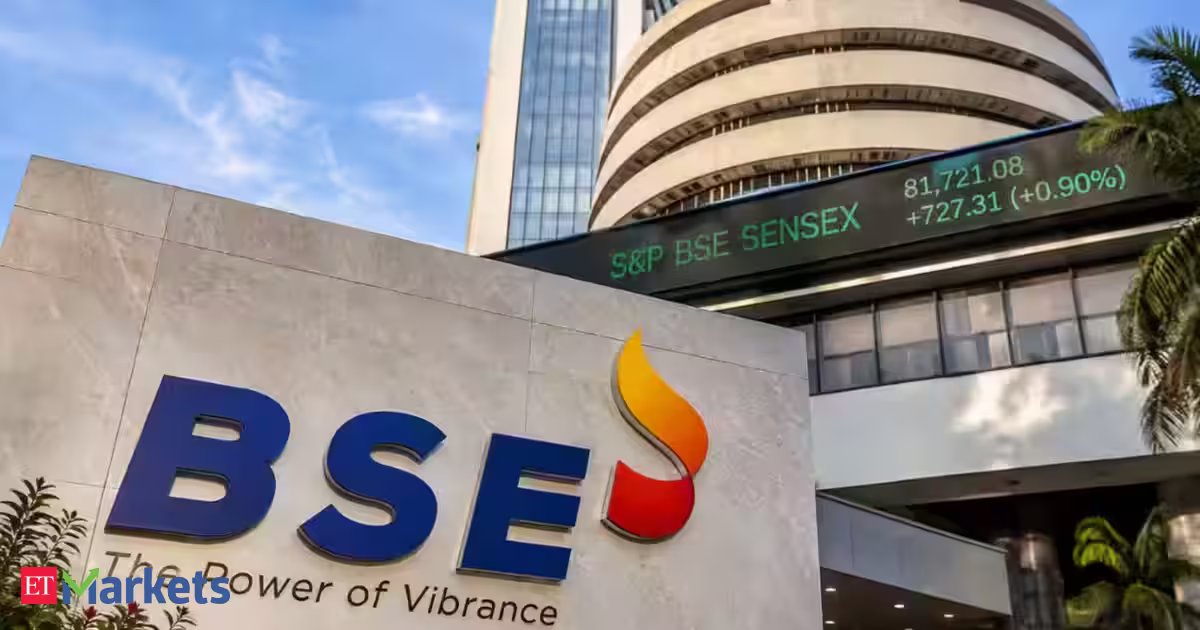
BSE shares surge 10% in just 3 sessions. What’s driving the rally?
The renewed buying spree comes after the capital markets regulator, the Securities and Exchange Board of India (Sebi), issued a circular last week on the newly implemented Closing Auction Session (CAS).
On Thursday, Sebi said it would review the methodology used to determine settlement prices for derivative contracts on expiry, following feedback from market participants after the rollout of the new CAS in the equity cash market.
Also read: CAS effect: Pre-open session rules to change from today. What changes for investors?
“Having considered the experience of the initial period of CAS implementation and the feedback received from various stakeholders, Sebi may be proposing certain changes in the methodology for determining settlement prices of derivative contracts, for which a consultation paper will be issued in about a week,” Sebi said in a statement.

Among the issues raised, Sebi said, a significant area of feedback relates to the determination of settlement prices for derivative contracts on expiry, based on the closing price determined through CAS. CAS is a call auction mechanism used to determine the closing price of stocks in the cash segment with derivative contracts available on them.
Why this matters
The development gains significance as stock exchanges acknowledged that the newly introduced Closing Auction Session (CAS) had resulted in lower trading volumes.According to an ET report, equity derivatives turnover on the NSE and BSE fell to multi-month lows in August, with analysts attributing the decline to heightened volatility under the new CAS mechanism. The volatility prompted several market participants to scale back derivatives activity, particularly during the final half-hour of trading.
Last month, NSE’s total monthly equity derivative turnover stood at Rs 34.48 lakh crore, the lowest since November 2023. BSE’s August turnover stood at Rs 32.2 lakh crore, the lowest since June 2025.
Wall Street brokerage Jefferies, in a report earlier this week, said the key challenge with CAS has been the uncertainty on expiry day, forcing option writers to stay away from the market. This has reduced the profitability of proprietary traders. Jefferies said Sebi could address the challenges with CAS through three measures: delinking options expiry from the CAS window, improving the stock lending and borrowing mechanism, and deepening the auction pool.
BSE to feel the pinch in Q2?
Domestic brokerage firm ICICI Securities suggests that BSE’s premium ADTV stood at Rs 18,700 crore in August, down 26.5% from Rs 25,400 crore in July. For the second quarter, premium ADTV stood at Rs 22,000 crore, down 25.7% from Rs 29,700 crore in the first quarter.
Read more: One month of CAS: How 4 expiry days turned into a 6,000-point Sensex scare for investors
BSE’s average daily option contracts traded stood at 98 million in August, down 34.5% from 150 million in July. BSE’s average daily option contracts traded in the second quarter stood at 124 million, down 20.2% from the Q1FY27 average of 156 million.
The systemic average daily option contracts traded across BSE and NSE stood at 223 million in August, down 22.9% from 289 million in July. For the second quarter, the metric stood at 256 million, down 20% from the Q1FY27 average of 320 million.
The regulator did not specify what changes may be proposed. The consultation paper expected to be issued next week will be watched closely by brokers, proprietary desks, institutional investors and active derivatives traders.
Any change in methodology could be important for expiry-day risk management. If the settlement price is less directly linked to short-term CAS movements, it may reduce the chance of sudden option price spikes in the final minutes.
(Disclaimer: Recommendations, suggestions, views and opinions given by the experts are their own. These do not represent the views of The Economic Times)