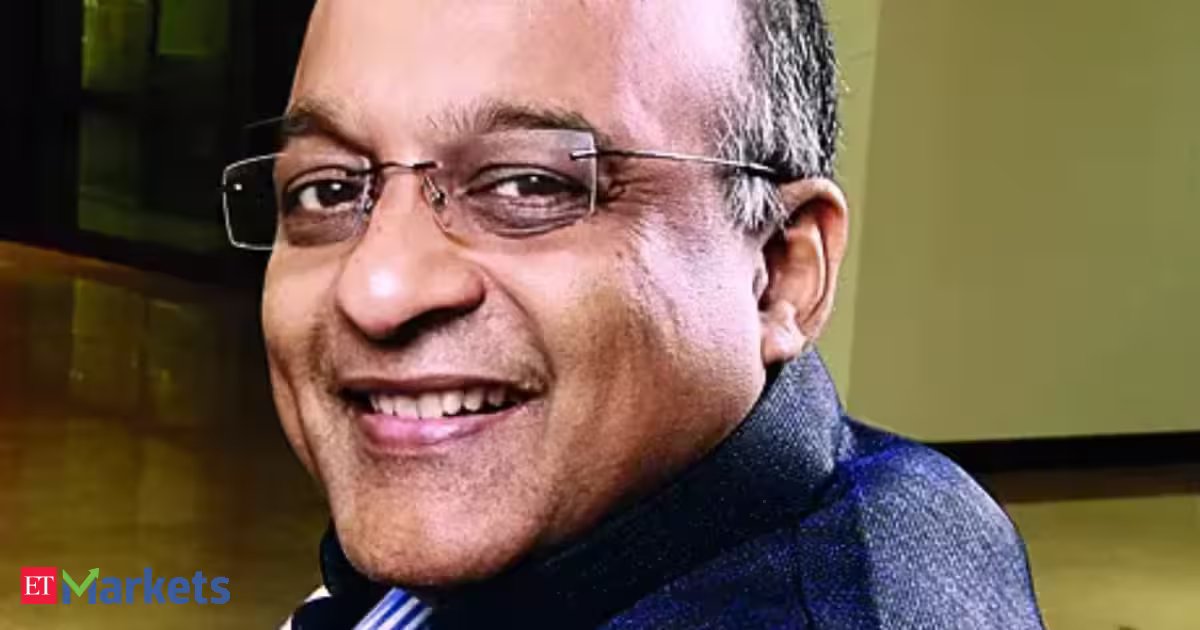
HDFC Bank’s CEO call gains urgency as Sashidhar Jagdishan’s term nears end
The absence of clarity over Jagdishan’s continuation or succession comes after months of governance-related scrutiny at the bank and has sharpened investor concerns, they said.
Jagdishan’s current three-year term ends on October 26.
“There are two main options now, considering the paucity of time – either the MD and CEO gets a tenure extension of, say, around six months, or a full three-year tenure,” said Suresh Ganapathy, head of financial services research at Macquarie Capital. “In case of the former, the messaging here is that the board is looking for candidates apart from the current CEO and wants time from RBI to recommend a new list. In the case of the latter, the uncertainty ends with respect to the CEO tenure.”
The timeline stands in contrast to Jagdishan’s previous reappointment. HDFC Bank’s board had recommended a fresh three-year term for him on March 4, 2023, nearly eight months before his first tenure was due to expire. The Reserve Bank of India approved the appointment in September that year.

Also Read: Broad-base rise in food prices despite monsoon recovery, RBI’s state of economy report shows
“The issue now is less about whether the incumbent gets three years, a shorter tenure or whether somebody else is appointed. Markets need visibility on who will lead the bank,” said Prakash Agrawal, partner at Geofin Capital. “The longer that remains unresolved, the more questions it creates around management continuity.”The leadership uncertainty follows a turbulent few months at the lender. Former chairman Atanu Chakraborty abruptly resigned in March, citing differences over values and ethics. The bank subsequently appointed external law firms to examine the issues raised by him, with the review finding no evidence to substantiate the concerns.
Also Read: India’s budget math brightens with asset sales target in sight
Separately, an internal review of HDFC Bank’s arrangements with Maharashtra State Road Development Corporation for deposits in 2017 and 2021 concluded that the conduct involved amounted to “business overreach” rather than mala fide action or personal enrichment. The board, however, issued warning letters and imposed penalties of Rs 1 lakh each on Jagdishan, chief financial officer Srinivasan Vaidyanathan, and retail assets head Arvind Vohra.
With those reviews concluded, analysts had expected greater clarity on the bank’s leadership. “For an institution of HDFC Bank’s size and systemic importance, allowing uncertainty over the chief executive to persist until barely two months before the end of his tenure is not desirable,” said a banking analyst who did not wish to be named. “It creates an unnecessary overhang for investors and does not reflect well on either the bank’s succession process or the regulatory process.”
Leadership continuity assumes particular importance at large private sector banks because, unlike state-owned lenders where the government is the controlling shareholder and appoints top executives, private banks are widely held by institutions where the board and RBI play central roles in ensuring an orderly succession.