FMs to discuss trade, digital currency in runup to Brics meet on Sept 12-13 | Finance News
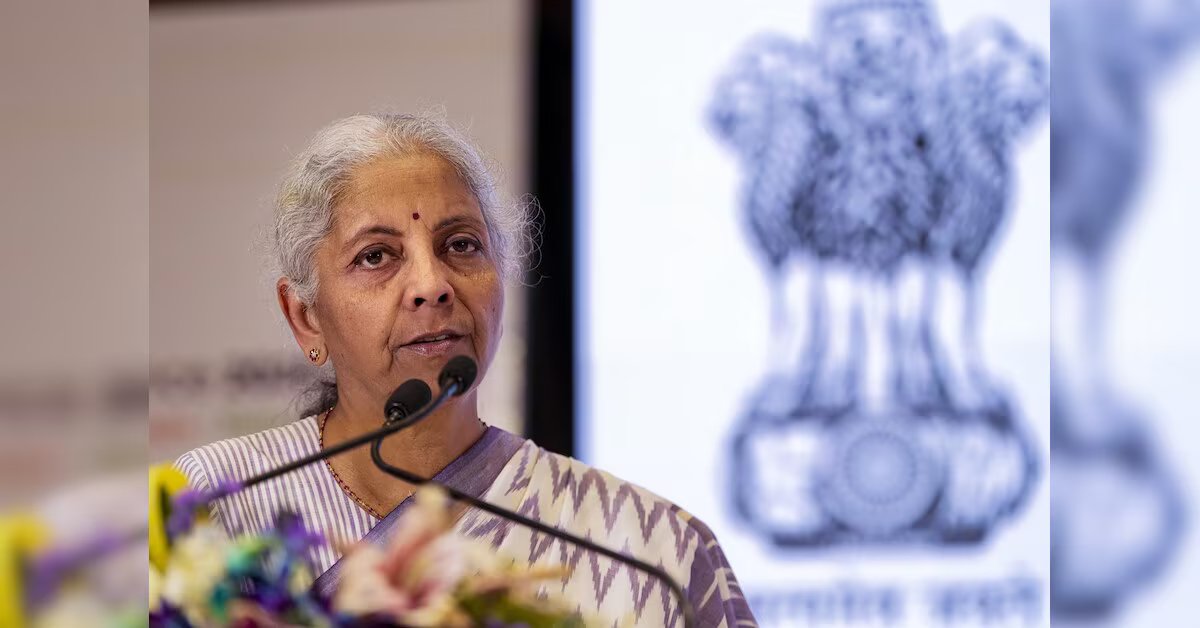
In the runup to the Brics Summit on September 12-13, Union Finance Minister Nirmala Sitharaman will chair a meeting of her counterparts from Brics member countries.
They are slated to discuss financial mechanisms, including digital currencies, and explore ways to increase intra-Brics trade using national currencies, official sources said on Thursday.
According to sources in the Ministry of External Affairs (MEA), the meeting is supposed to be held on September 1-2 at Bharat Mandapam, New Delhi.
Sources said the focus would be on developing mechanisms to reduce transaction costs in trade in the 11-member grouping.
India will also flag the need for more balanced trade among Brics member countries.
India had chaired the grouping in 2012, 2016, and 2021.
Brics has 11 full members and 10 partner countries.
Officials are hopeful of reaching a consensus declaration, including on the contentious West Asia conflict. Iran and the United Arab Emirates (UAE), adversaries in the conflict, are Brics members.
The declaration is likely to focus on a resolution of the conflict through dialogue and diplomacy, and ensure a free flow of maritime commerce.
The declaration is also likely to include paragraphs on ensuring territorial integrity, increasing intra-Brics trade, a free flow of maritime commerce, and protecting civilians and civilian infrastructure.
A meeting of the foreign ministers of the grouping’s member states in May had ended without a joint statement after Iranian Foreign Minister Abbas Araghchi and the UAE representative argued over the West Asia conflict. At the end of the meeting, India had issued a chair’s statement and outcome document featuring two specific paragraphs in which unanimity could not be reached.
The MEA said that under India’s chairship this year, over 350 meetings and high-level engagements had been held in over 25 cities across India to further strengthen Brics strategic partnership across three fundamental pillars: Political and security, economic and financial, and cultural and people-to-people exchanges.
The key outcomes of these meetings include setting up Brics centres of excellence on agro-ecology and a Brics network on digital agriculture; increasing collaboration in seeds, skilling, smart grids and energy storage; and establishing a portal for small and medium enterprises cooperation, cooperation on global value chains, and a startup innovation fund.
Brics originally comprised Brazil, Russia, India, and China, with South Africa joining it in 2010.
In 2024, it expanded to include Egypt, Ethiopia, Iran, the UAE and Saudi Arabia, with Indonesia joining in 2025.
Belarus, Bolivia, Kazakhstan, Cuba, Malaysia, Nigeria, Thailand, Uganda, Uzbekistan and Vietnam became partner countries last year.
Together the 11 full members of Brics represent almost 49.5 per cent of the global population, around 40 per cent of global gross domestic product, and around 26 per cent of world trade.