Cold Storage Facilities See Record Vacancy, Flight To Newer Properties
:no_upscale():quality(75))
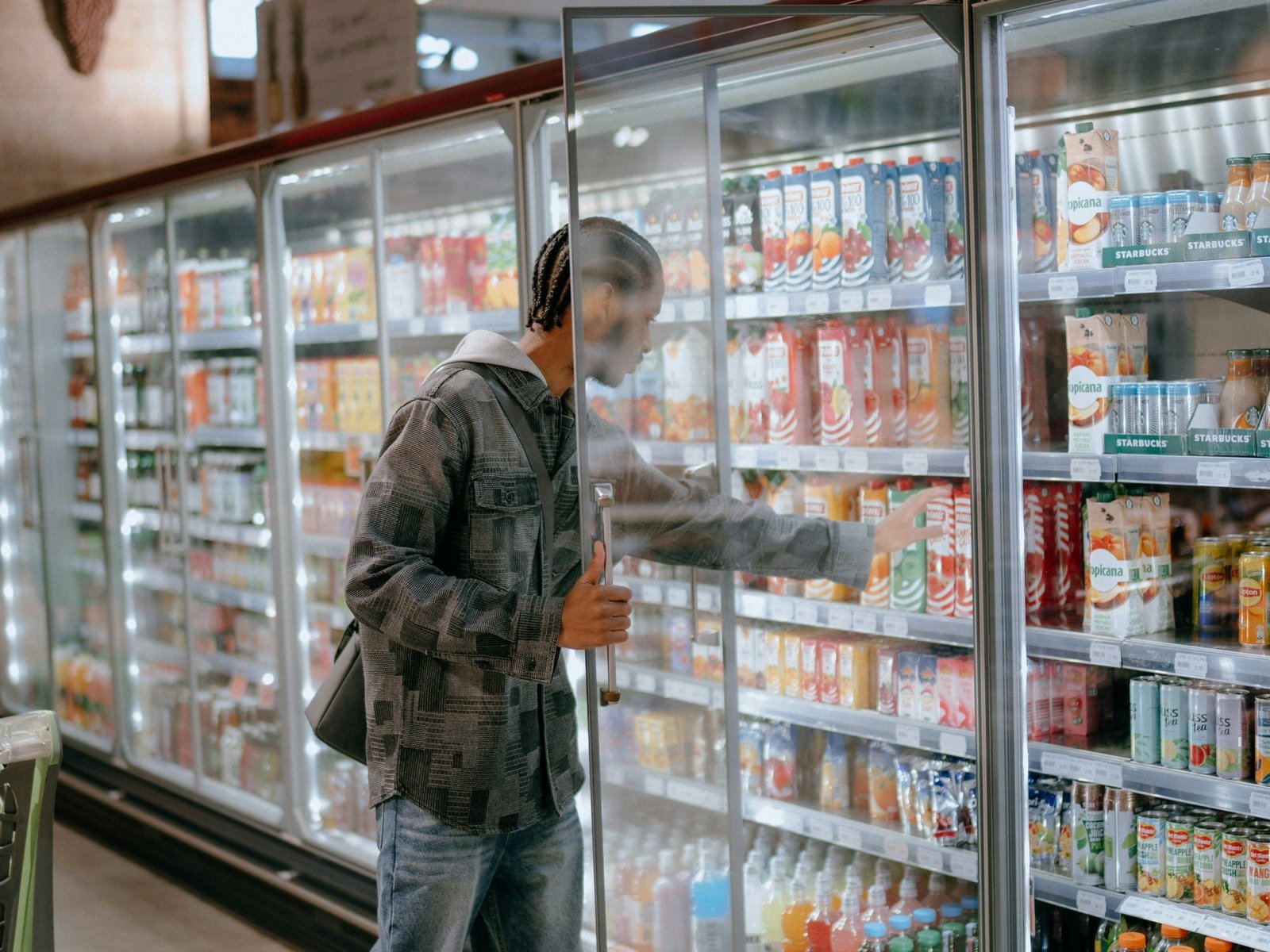
The cold storage industry felt the pressure from shoppers buying fewer groceries.
Cold storage is undergoing a market shift, posting negative net absorption in the first half of 2026 and reaching a new record high for vacancy.
Nationwide, cold storage facilities recorded net negative absorption of 56 million cubic feet, according to a new report from Newmark. It is the first time absorption has fallen into negative territory for the property type since 2007.
In addition, 41 million cubic feet of new supply came online, helping push the overall vacancy rate to 7.7%, up from a 20-year record high at the end of 2025.
Demand for cold storage has been impacted by a pullback in grocery shopping by consumers, pinched by increasing food costs.
Food prices are up more than 30% compared to 2019, according to the report. That, along with a cut in SNAP benefits and high gas prices, has contributed to a 1.8% year-over-year drop in grocery unit sales.
“Relatively static real spending has led to leaner, more precisely managed inventories across the supply chain, contributing to today’s softer cold storage demand environment,” according to the report’s authors, Newmark’s Amy Binstein, Lisa DeNight, Jamil Harkness and David Bitner.
As in other sectors, the pain is coming unevenly. Cold storage warehouses built since 2020 have fielded almost all the new demand, and older facilities have borne the brunt of the vacancy.
Warehouses built before 2006 account for 68% of all vacant cold storage space and carry an 8.2% vacancy rate, while those built between 2006 and 2019 are 3.4% vacant.
Nearly all the space that was backfilled in the first half of this year was built in 2020 or later, and almost all the negative net absorption was in warehouses built in 2006 or earlier.
A disconnect persists between the spaces that users are looking for and the ones under construction now. The average cold storage lease signed in the last five years was 125K SF, while the average size of under-construction projects is 300K SF, which may account for longer lease-up periods for some projects coming online, the report’s authors said.
But those new projects are expensive to build relative to their traditional industrial counterparts. Cold storage warehouses cost $130 to $350 per SF to build, compared to $80 to $150 per SF for regular warehouses, according to Newmark. Two of the top five markets for cold storage by square footage, New York-Philadelphia and Los Angeles-Inland Empire, have nearly no new cold storage under construction, and the buildings average 29 to 52 years old.
Cold storage warehouse users represent nearly 36% of buyers, up from 32% in 2025 and just 10% in 2024. One of those transactions was Walmart’s $223M purchase of a 2010-built Riverside, California, cold storage warehouse. The trend gives fuel to the fear that these users will have less need to lease speculative space.