Researchers traced the American West water crisis to just 122 companies
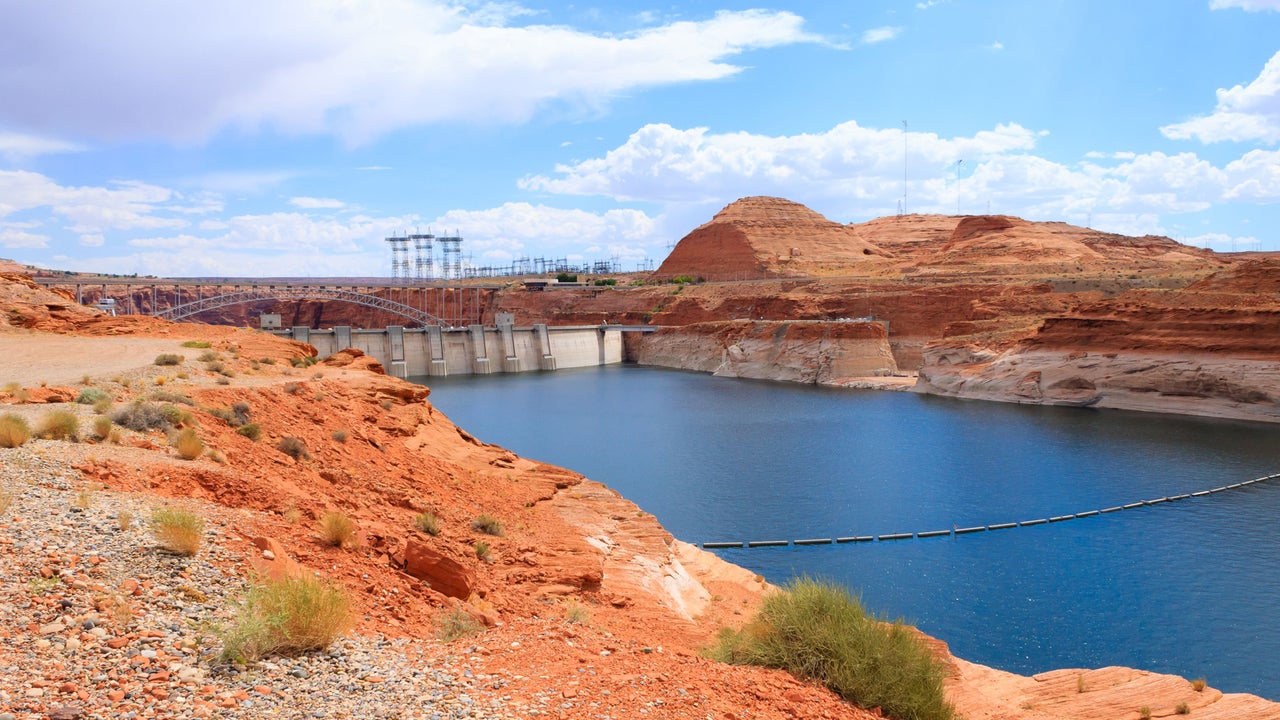
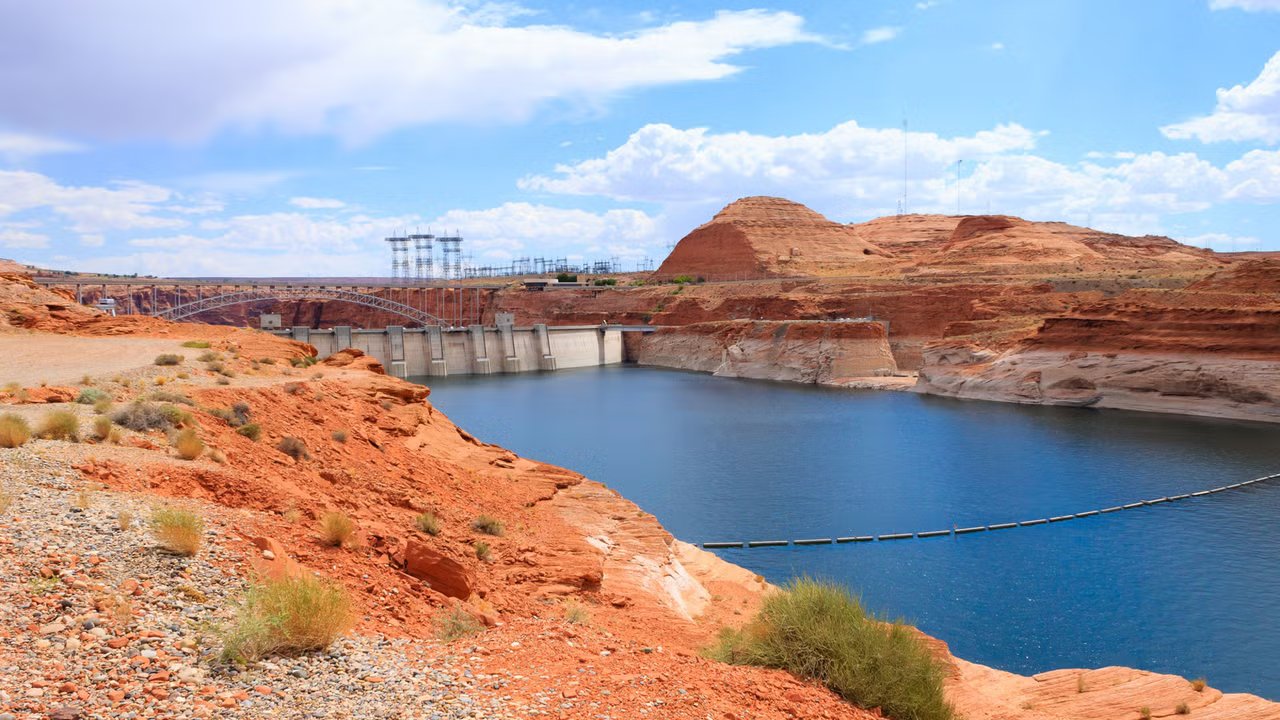
As some of the largest water reservoirs in the United States fall to record-level-lows, it’s not just drought to blame, with 122 oil and cement companies responsible for around half of the water lost to climate change in the West, according to a recent study.
In the study, published on August 25 in the Communications Earth & Environment journal, researchers examined how the 122 carbon majors, which included BP, Chevron, ExxonMobil, and Shell, played a role in altering the region’s water cycle.
Their findings—which are based on observational data from 2014 to 2024—revealed that snowpack and streamflows declined in the region due to climate change, attributing half of the losses to the 122 named companies.
The large effect of these companies is unsurprising, as carbon majors have accounted for almost 70% of industrial carbon dioxide emissions since 1985, with most of those emissions happening after the 1950s.
The study also found that the water drained within that decade amounts to the same capacity as Lake Mead’s highest capacity, putting the loss at around 9 trillion gallons of water. Lake Mead is the country’s largest reservoir.
The study looks deeper into a particularly complicated region in the country, one where its dry climate conflicts with a water-demanding agricultural industry.
Water scarcity has long been a defining feature of the western United States. Its dry climate and the high water demand from the region’s multibillion-dollar agricultural industry have created an unsustainable water system. As climate change continues to reduce the water supply in the region, it in turn puts an even deeper strain on an already unsustainable water system.
But while decades of emissions by just 122 companies have exacerbated the region’s water crisis, it is the local residents who are expected to bear the repercussions.
“The changes in water cycle dynamics materialize across communities and ecosystems and are compounded by escalating climate impacts like drought, poor air quality, and land subsidence,” the Union of Concerned Scientists said in a report.
The report added, “The harms also extend to Indigenous communities whose cultural and economic livelihoods depend on healthy river systems. Reduced streamflow and rising temperatures diminish salmon and other traditional resources, threatening food sovereignty and spiritual practices tied to these species.”