OpenAI’s IPO Won’t Likely Happen Until 2027. Here’s Why That’s the Right Call.
Now that the SpaceX (SPCX +1.80%) IPO is firmly in the rearview mirror, AI giants OpenAI and Anthropic are the most anticipated still-to-come public debuts. But at least in one case, it appears investors will have to wait a little longer.
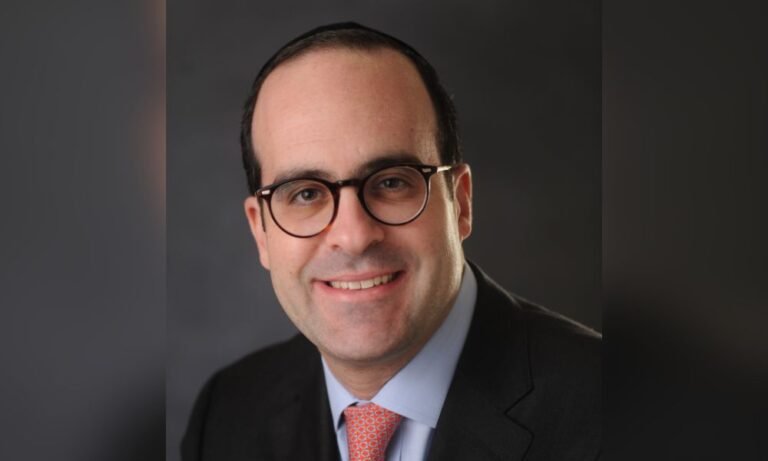
OpenAI’s chief financial officer, Sarah Friar, recently told the company’s staff that it “will be a public company in 2027.” This follows a reported internal dispute between CEO Sam Altman, who wanted to go public later this year with a $1 trillion valuation, and Friar, who hasn’t been in a hurry.
Here’s why waiting to go public may have been the right call, and what investors need to know.
Image source: Getty Images.
Why timing matters
Friar has argued that OpenAI’s business wasn’t ready for public scrutiny. If you aren’t familiar, an IPO requires a company to publish audited financials and details about its business. If a company isn’t quite ready for that level of scrutiny, it could have trouble raising the desired level of interest to carry an IPO.
There’s a solid argument to be made that OpenAI could benefit from waiting. The company generated $6.7 billion in revenue in the second quarter, up 18% from the first quarter. It had a $40 billion annualized revenue run rate at mid-year, and completed a funding round in March at an $852 billion valuation.
On the other hand, rival Anthropic reached a $65 billion run rate at the same point, has grown at a significantly faster pace in recent quarters, and filed its confidential S-1 before OpenAI. Friar told staff that she isn’t worried about beating Anthropic to the public markets, and management may hope to narrow the revenue gap before taking the next steps.
Finally, and perhaps the strongest argument for waiting, OpenAI’s March investment round brought in $122 billion in fresh capital. This means that OpenAI doesn’t need to rush to the public markets. The company will certainly need more money to fulfill its commitments and scale out its compute capacity, but this gives it plenty of runway.
The bottom line
The bottom line is that a large, fast-growing business’s flexibility in choosing its IPO timing is a position of strength. Friar and the company’s management team are waiting until the time is right, and that’s not a bad thing.
Now, although I think waiting to go public looks like the right move, that doesn’t necessarily mean that OpenAI will be a buy once it finally lists on a major exchange. We’ll have to wait and see the financials before determining that.