India Lifts Wheat Export Ban After 4 Years: Wheat, Maida, Semolina Exports Now Allowed; Check Impact on Prices, Farmers
News
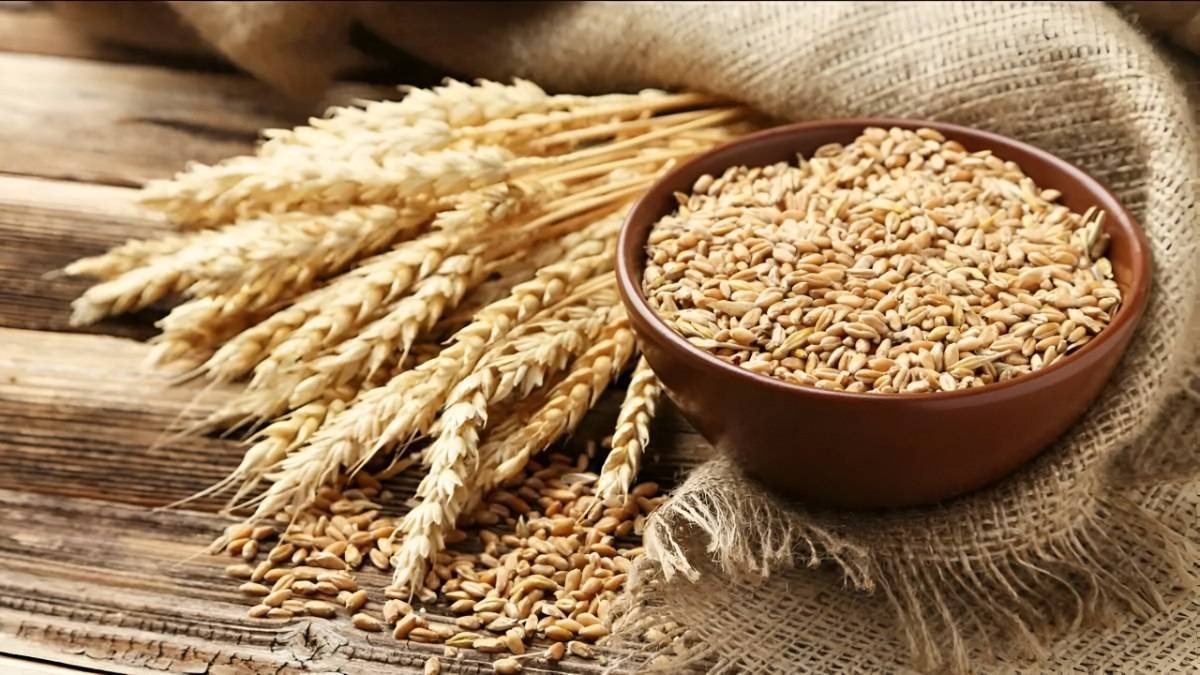
India has reopened the door for wheat exports after more than four years of restrictions. The government has removed the export ban on regular wheat and Durum wheat with immediate effect, allowing traders and exporters to sell the grain in international markets.
India Lifts Wheat Export Ban After 4 Years
The relaxation also covers wheat-based products such as wheat flour, maida and semolina. The move marks a major change in India’s wheat trade policy, which had remained tightly controlled since 2022 because of concerns over domestic supplies and food prices.
/img/2026/08/wheat2-17851787580512.jpg "India Lifts Wheat Export Ban After 4 Years")
The Directorate General of Foreign Trade (DGFT) has changed the export status of wheat from “prohibited” to “free” with immediate effect. This means exporters can now ship wheat overseas without seeking the special permissions that were required during the restriction period. The same change applies to Durum wheat.
The government has also opened the way for exports of wheat flour, maida and semolina. This gives exporters and flour mills a wider opportunity to sell both raw wheat and processed products to overseas buyers.
India Wheat Export Ban: What Happened in 2022 and Why Were Shipments Stopped?
India imposed restrictions on wheat exports in May 2022 when domestic prices were rising and concerns emerged over wheat production following extreme heat. At the same time, the Russia-Ukraine conflict had disrupted the international wheat market. Both countries are major wheat suppliers, creating uncertainty over global availability and prices.
India produces large quantities of wheat, but a significant portion is consumed within the country. Wheat is also important for government food distribution programs, making domestic availability a major concern.
The export restrictions were therefore aimed at ensuring that enough wheat remained available for Indian consumers and preventing overseas demand from adding further pressure to domestic prices.
Wheat Export Ban Lifted: Will Farmers Benefit From Higher Overseas Demand and Better Prices?
The reopening of exports could provide farmers with a larger market for their produce. If overseas buyers place strong orders, demand for Indian wheat could increase. Higher demand can potentially support prices received by farmers, particularly in regions where production and stocks are sufficient.
However, the actual benefit will depend on whether Indian wheat remains competitive in the international market. Global wheat prices, transportation costs, currency movements and the quality of Indian grain will all influence export demand.
Flour Mills and Exporters Get New Opportunity
The policy change could be particularly positive for flour mills and exporters. Companies can now look at overseas markets for wheat, flour, maida and semolina without facing the same restrictions that existed during the export ban. Mills located close to ports could have an advantage because lower transportation costs can make their products more competitive.
However, higher wheat prices could also increase the cost of raw material for flour mills. Their profitability will therefore depend on the balance between wheat procurement costs and export selling prices.
Disclaimer: The views and recommendations expressed are solely those of the individual analysts or entities and do not reflect the views of Goodreturns.in or Greynium Information Technologies Private Limited (together referred as “we”). We do not guarantee, endorse or take responsibility for the accuracy, completeness or reliability of any content, nor do we provide any investment advice or solicit the purchase or sale of securities. All information is provided for informational and educational purposes only and should be independently verified from licensed financial advisors before making any investment decisions.