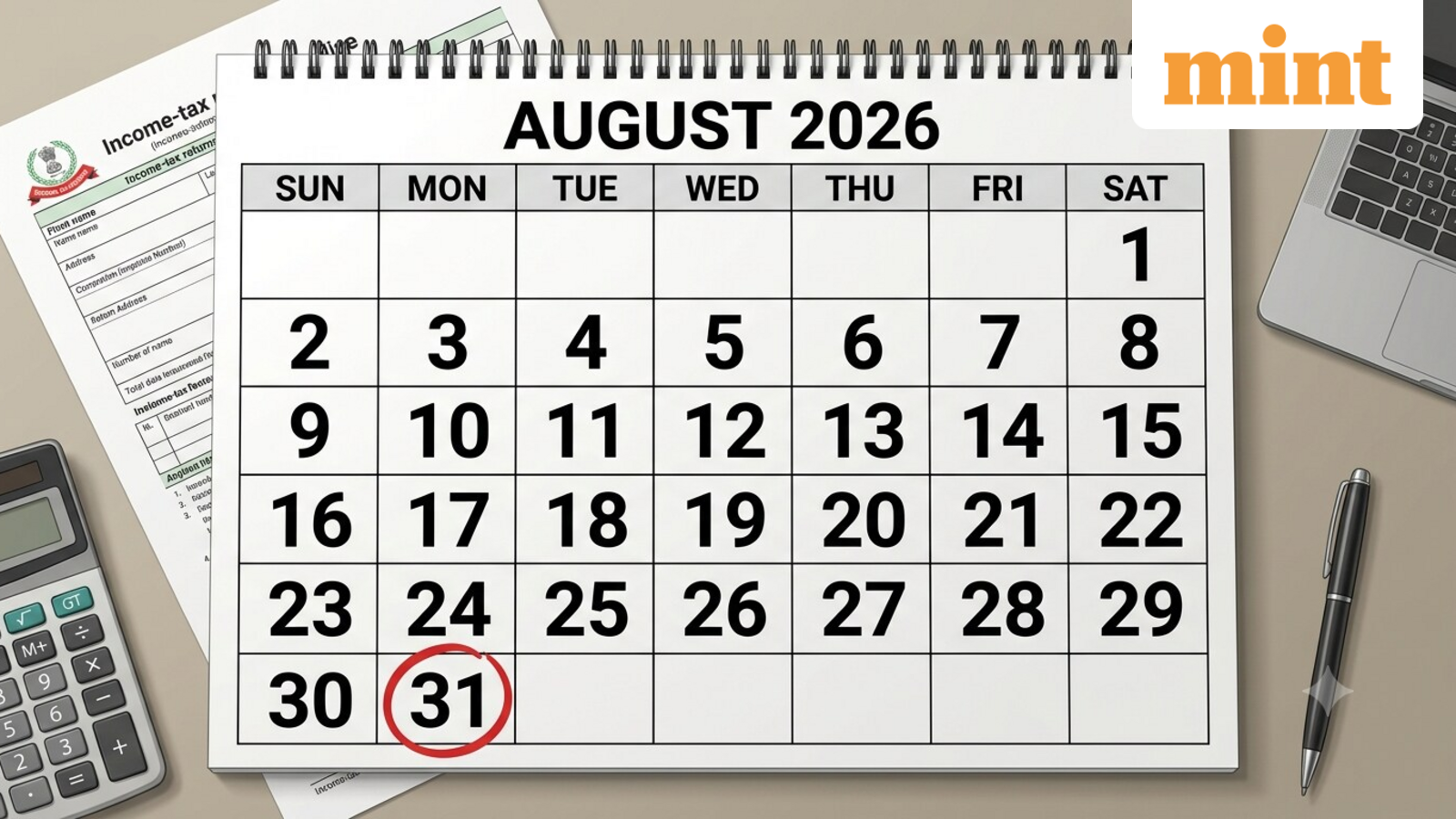
Filing ITR by 31 August? Know the right forms for taxpayers with business or professional income
With the 31 August deadline for filing income tax returns for non-audit taxpayers approaching, individuals earning income from a business or profession need to ensure they are using the correct ITR form and have the necessary tax records in place.
Here are the key forms taxpayers should know before filing their returns.
Who needs to file ITR-3 and ITR-4?
ITR-3 is applicable to individuals and Hindu Undivided Families (HUFs) earning income from business or profession who do not qualify to file ITR-1, ITR-2 or ITR-4. It can cover income from salary or pension, house property, capital gains, and other sources in addition to business or professional income.
ITR-4 is a simplified return available to eligible resident individuals, HUFs, and firms other than LLPs. It is meant for taxpayers whose business or professional income is calculated under the presumptive taxation provisions of sections 44AD, 44ADA or 44AE, subject to an income limit of ₹50 lakh.
For AY 2026-27, the ITR deadline for non-audit taxpayers filing ITR-3 and ITR-4 is 31 August.
List of forms for business and professional taxpayers
Taxpayers also need specific forms and statements that contain details of their income, TDS, tax payments, or specific transactions.
Form 16A: TDS on income other than salary
Form 16A is a quarterly TDS certificate issued by the person or entity deducting tax. It helps taxpayers verify:
- Income or payment on which TDS was deducted
- Tax deducted
- Nature of the payment
- Tax deposited with the government
Individuals earning professional or business income should reconcile the TDS shown in Form 16A with their tax records before filing their return.
Form 26AS and AIS: Check tax and transaction details
Form 26AS provides taxpayers with details primarily relating to TDS and tax collected at source (TCS). The Annual Information Statement (AIS) provides a wider set of information reported to the tax department. This can include:
- TDS and TCS details
- Specified Financial Transaction (SFT) information
- Tax payments
- Refund and demand details
- Certain GST-related information and other information available with the department
Taxpayers should compare these records with their own income and transaction details and flag any discrepancies before filing the ITR.
Forms 15G and 15H: For claiming lower or nil TDS on eligible interest income
Form 15G can be submitted by eligible resident individuals below 60 years, HUFs, and certain other taxpayers seeking non-deduction of TDS on eligible interest income. Form 15H serves a similar purpose for eligible resident individuals aged 60 years or above.
These forms generally require taxpayers to provide details of their estimated income and are relevant when they expect their tax liability to be nil.
Form 3CEB: For certain international transactions
Individuals or other taxpayers covered by transfer-pricing provisions may need to obtain Form 3CEB from a chartered accountant.
It contains details of specified international transactions and specified domestic transactions covered under section 92E of the Income Tax Act, 1961.
Form 3CB-CD: For tax audit cases
Taxpayers whose accounts are required to be audited by an accountant under section 44AB of the Income Tax Act, 1961, need to furnish the tax audit report.
Form 3CB contains the report on the audit of accounts, while Form 3CD contains the statement of particulars required under section 44AB.
For AY 2026-27, the ITR filing deadline for audit cases is 31 October.
Disclaimer: This is only for informational and educational purposes. Please consult a qualified expert for the latest laws and regulations.