Just ₹10,000 gets you into bonds. Here's what else you need
Retail investors are flocking to corporate bonds but relying too heavily on credit ratings. Experts say ratings miss default, liquidity and price risks.

Retail investors are flocking to corporate bonds but relying too heavily on credit ratings. Experts say ratings miss default, liquidity and price risks.

The Dow and S&P 500 slipped on Tuesday as oil prices held near $100 a barrel while gains in Micron Technology and other AI-related stocks lifted the Nasdaq to a record close, Reuters reported. The S&P 500 fell 0.43 points, or 0.01%, to 7,764.27 points while the Nasdaq Composite rose 121.15 points, or 0.45%, to…

Every market cycle creates fortunes. It also creates a new set of rules that only become obvious in hindsight. A decade ago, building wealth was all about buying good businesses, staying invested and letting time do its work. Those principles still have value, but the context in which they are applied is now far more…

India’s rising mutual fund SIP and equity fund inflows may suggest that households are steadily moving towards equities and market-linked investments. But a broader look at household asset allocation tells a different story. The latest Kotak Mutual Fund ‘D-Kode’ report for September 2026 shows that equities accounted for just 5.7% of total Indian household assets…

The National Payments Corporation of India (NPCI) has introduced a new Merchant Discount Rate (MDR) framework for select UPI transactions, effective 15 October 2026. While the move introduces a 0.4% charge on specified merchant transactions above ₹2,000, NPCI has clarified that consumers will not be charged for making UPI payments. NPCI stated in the FAQs…
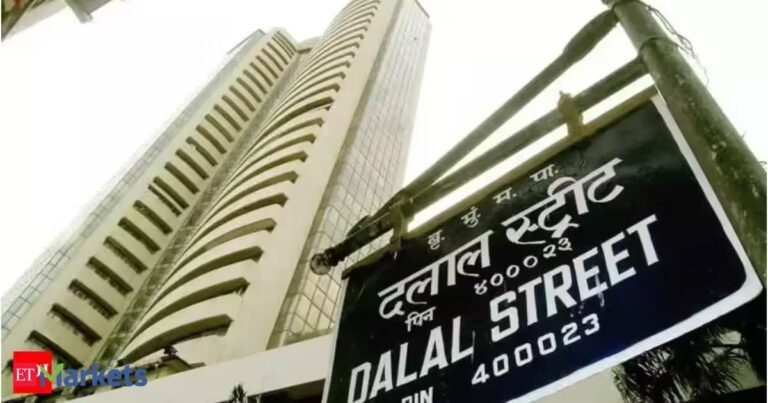
The Indian stock market remained range-bound in the last week, with Sensex losing around 500 points and Nifty falling 205 points to end in the red. Analysts now highlight four key factors that can influence Dalal Street’s action during the upcoming week between August 17 (Monday) to August 21 (Friday). On Friday, Sensex and Nifty…

An Employee Provident Fund (EPF) account does not necessarily stop earning interest when an employee leaves a job or retires. The point at which interest stops depends on the member’s age and when the account becomes classified as inoperative. The distinction matters for employees who leave their jobs before the usual retirement age, as well…