Ten states sue to protect mortgage escrow interest payments
The OCC issued two final rules in May, which took effect June 18. The first gives national banks and federal savings associations discretion over whether to pay interest or charge fees on escrow accounts. The second asserts that federal law preempts state escrow interest statutes. Fourteen states and territories currently have laws requiring such payments.
What’s at stake for homeowners
Approximately 80% of US mortgage holders carry an escrow account, according to Lereta, a real estate tax and flood data provider. Those accounts accumulate substantial balances. The average annual property tax bill for the country’s 87 million owner-occupied homes was $4,271 in 2024, per the National Association of Home Builders (NAHB), while average homeowners insurance premiums are projected to reach $3,057 by end of 2026, according to Insurify.com.
Interest rates applied to escrow balances vary by state — from the national savings account average of 0.63%, per Bankrate, to nearly 4%, the approximate yield on a one-year US Treasury. On a $5,000 balance, that gap means the difference between $31.50 and $200 in annual interest.
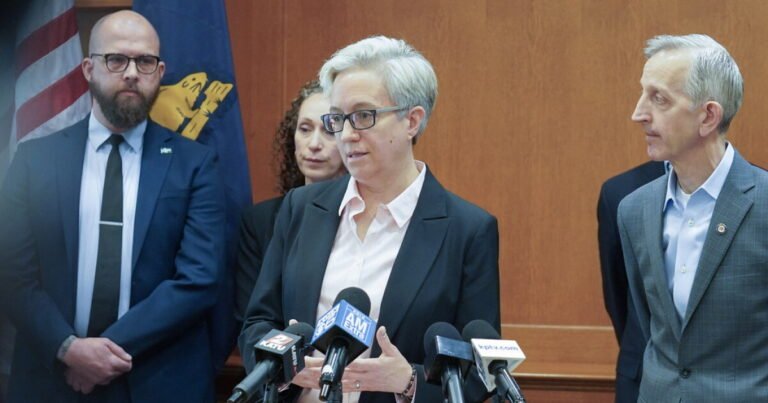
“Time and again, we’ve seen the Trump administration hand out favors to insiders and corporate special interests,” Rayfield said in a statement.
“The administration wants to let big banks pad their profits with money that, by law, belongs to Oregon families.”