Alternative farm lenders attract growing institutional backing

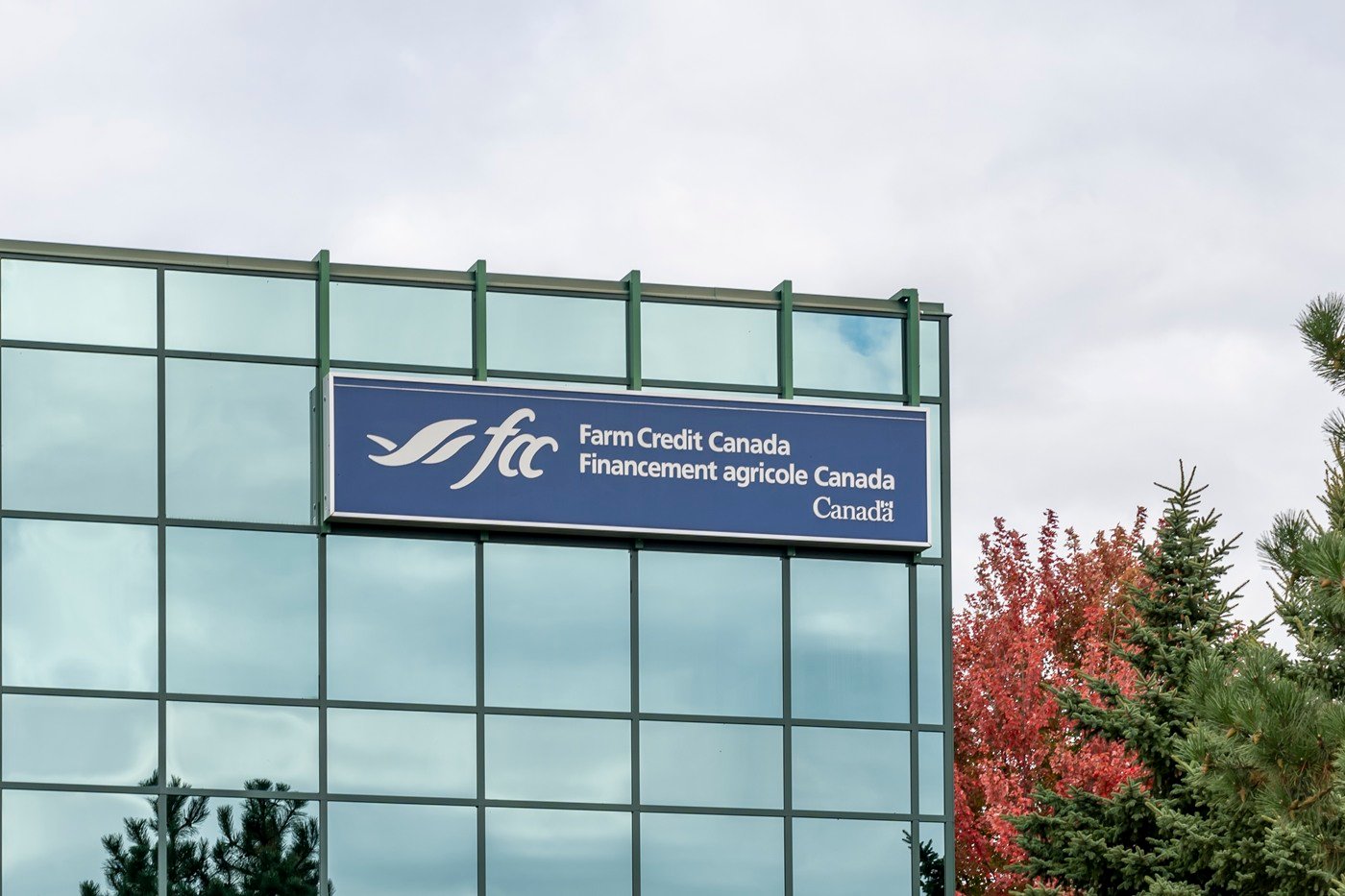
Farm Credit Canada has made an undisclosed strategic investment in Farm Lending Canada that will allow the alternative agricultural lender to expand its loan portfolio and provide more financing to Canadian farmers who may not qualify through conventional channels.
Announced in early June, the investment is part of FCC’s commitment to deploy $2 billion toward innovation in Canadian agriculture and food by 2030. The companies did not disclose the amount, structure or other terms of the investment.
Farm Lending Canada, which launched in 2019, says it has provided financing to more than 100 Canadian farming families, with an average loan size exceeding $2 million. The company is also seeking an additional $200 million in capital over the next 18 months to support further lending.
“Our strong Canadian agriculture sector depends on farmers having reliable access to capital to support growth, manage transition and navigate change,” Adam Smalley, managing director of FCC Capital, said in the announcement.
FLC provides financing to farming operations across nine provinces that may not have access to traditional lending options. It works with borrowers to strengthen their financial position, manage debt and, where possible, transition back to conventional financing.
Alternative lenders fill gaps in conventional farm financing
Banks, credit unions and FCC remain the mainstream financing options for many agricultural borrowers, particularly those that qualify under conventional lending criteria. However, the complexity of farm operations can create a need for more specialized agricultural lending expertise or financing structures.
Specialist lenders such as Glengarry Farm Finance serve agricultural businesses that may not fit conventional lending criteria or require a more tailored approach.
Those needs can arise from farm succession and transition, temporary financial disruptions, rising land and operating costs, or other characteristics that distinguish agricultural borrowers from conventional residential and commercial borrowers.
Alternative lenders often provide transitional financing intended to give viable farm operations time to stabilize their finances and return to conventional lending.
Institutional capital shows greater interest in specialist lending
FCC’s investment in FLC follows other institutional commitments to alternative agricultural lending.
In 2024, FCC committed up to $60 million to Glengarry, significantly increasing the lender’s capacity to provide transitional financing to farmers. That followed a $50-million syndicated credit facility arranged by BMO Corporate Finance in 2023 to support the growth of Glengarry’s agricultural mortgage portfolio. Farm Lending Canada also added BMO as a lending partner in early 2025, allowing it to expand its reach in the alternative agricultural mortgage market.
Glengarry CEO Greg Kalil told Canadian Mortgage Trends that institutional funders increasingly see a need for the specialized lending services offered by firms such as his.
Kalil said capital has become more readily available since Glengarry entered the market in 2021, while alternative agricultural lending has become a more established part of the market. Institutional funding is also supplementing the private and informal arrangements that have historically served some agricultural borrowers.
The increased availability of capital could give specialist lenders more capacity to serve viable farm businesses that do not fit neatly within conventional lending requirements.
Agricultural lending opens referral opportunities for brokers
The expansion of specialist agricultural lending could also create a referral opportunity for mortgage brokers looking beyond conventional residential financing.
Glengarry has been educating brokers about agricultural lending, including the characteristics that distinguish a working farm from a conventional commercial or residential property for financing purposes.
The goal is not necessarily to turn mortgage brokers into agricultural finance specialists, Kalil said. Instead, brokers should be able to recognize when a borrower or property represents an agricultural lending opportunity and know where to refer the file.
“Brokers should pay attention,” Kalil said. “They don’t need to be specialists, they just need to know what a real farm looks like.”
As farm succession, transition financing and increasingly complex agricultural operations create demand for specialized capital, greater institutional support could give alternative lenders more capacity to serve the market.
Visited 13 times, 13 visit(s) today
Adam Smalley agricultural lending bmo Farm Credit Canada farm financing Farm Lending Canada Glengarry Farm Finance Greg Kalil
Last modified: August 13, 2026