Homeowners Insurance Premiums in Texas Surged 30% in 5 Years
Homeowners in Texas are grappling with rising insurance premiums, as carriers raise rates in the disaster-prone state.
Between 2019 and 2024, home insurance premiums rose 30% in Texas, to an average of $2,983 annually, according to a new report from Rice University’s Kinder Institute for Urban Research. Meanwhile, Texas incomes rose just 3% over the same period.
Zooming out, the report found that insurance premiums in the state rose 74% between 2009 and 2024, compared to an only 11% increase in median household income during the same period.
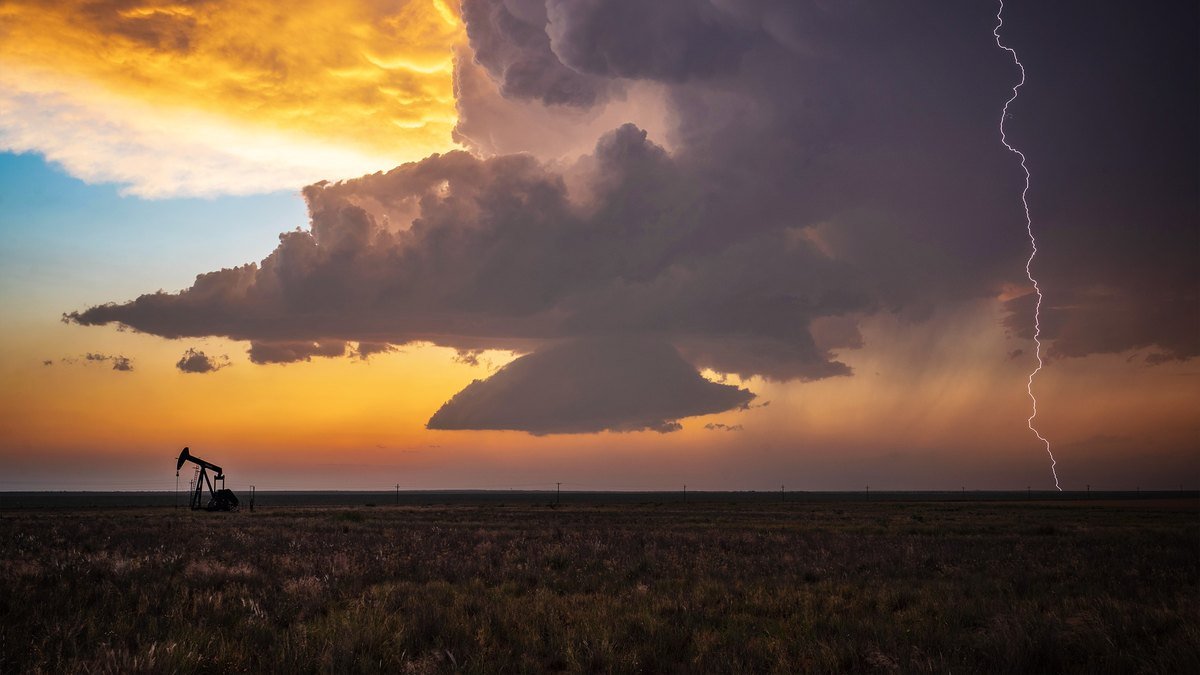
Homeowners in Texas, which faces threats from tornadoes and hail as well as coastal flooding and wind from hurricanes, have struggled to absorb the rapid increase in premiums.
With homeowners insurance factored into the cost of owning a home, about 7 million Texas households—nearly two-thirds of the state—are priced out of the median-priced home in their county, according to report.
These 7 million Texas families would become housing cost–burdened if they purchased the median-priced home in their county, meaning they would spend more than the recommended 30% of their income on housing.
The Kinder Institute and statewide public policy organization Texas 2036 issued the report analyzing homeowners insurance premiums throughout the state in comparison to home values, household income, and demographic data.
The report focuses on how rising costs are affecting housing affordability, rather than diving into the “why” of the increased costs. But the state’s exposure to natural disaster risks is a key factor.
Texas’ increase in extreme weather, heat, and drought in recent decades, as well as frequent hailstorms, wildfires, and hurricanes, have contributed to higher insurance premiums.
In 2025, insurance companies paid $8.74 billion in losses due to wind and hail, water, fire, and theft, liability, and vandalism, the Texas Department of Insurance (TDI) told Realtor.com.
Wind and hail have accounted for an average of 62% of homeowner losses since 2019.
Texas homeowners insurance premiums have also increased because home values have increased, leading to higher coverage amounts. The average coverage amount increased 50% from $294,900 in 2020 to $443,000 in 2025, the TDI said.
As premiums rise, Texas households are now spending a greater share of their household income on insurance than before.
In 2009, a homeowner in the median Texas county spent about 2.9% of household income on insurance. That number climbed to nearly 4.7% as of 2024 for the median homeowner, but that burden is even higher for lower-income households.
Looking ahead, further increases in insurance premiums could lead to even more Texans being priced out of homeownership.
On top of the 7 million Texas households already unable to afford a median-priced home in their county, an average annual 4% homeowners insurance premium increase would price out an additional 20,077 households, according to the Kinder Institute’s report.
A 10% increase would render an additional 49,896 households unable to afford the median-priced home.
That type of increase isn’t out of the question. In 2025 alone, insurance companies increased premiums by 10% or more 108 times, according to NBC affiliate KSAX-TV. In 2024, various companies filed 293 increases with the TDI, and 362 increases were filed in 2023.
In response, Texas lawmakers have introduced legislation that would require insurance companies to receive approval from the TDI before implementing any double-digit premium increase, called “prior approval.” Current law allows insurance companies to raise premiums without approval unless regulators deem the increase unnecessary.
As a result of increasing insurance premiums, a shocking 1.1 million Texas homeowners are without home insurance, according to 2022 U.S. Census Bureau data. By that count, roughly 9.5% of homeowners in the state will be unprepared for the next disaster.