Park at your own risk: How India’s parking crunch could dent your car insurance claims and coverage
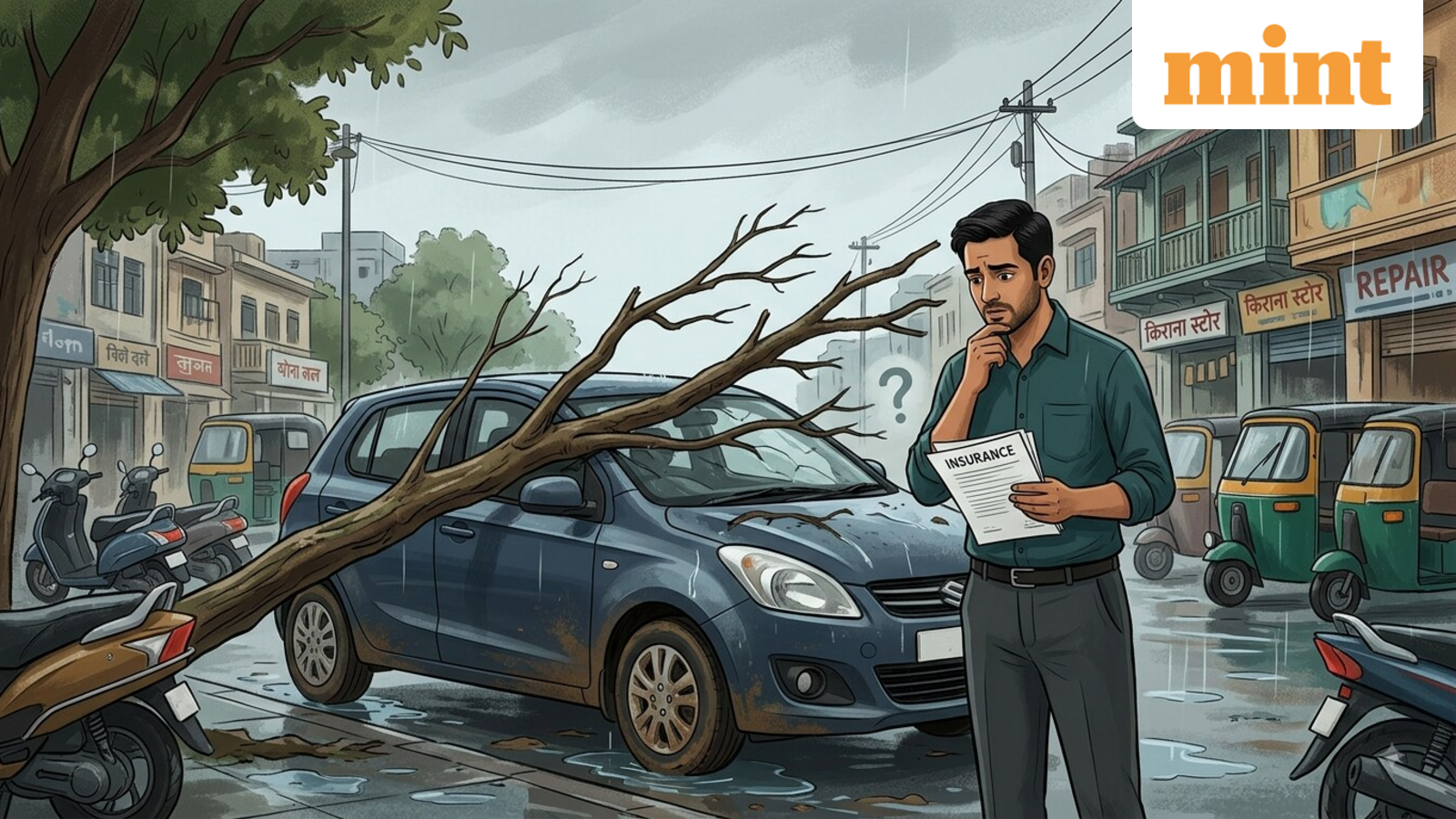
India’s parking crunch is increasingly becoming a financial risk for vehicle owners. From scratches and broken mirrors to theft, flooding and falling trees, parked vehicles can suffer significant damage even when they are off the road.
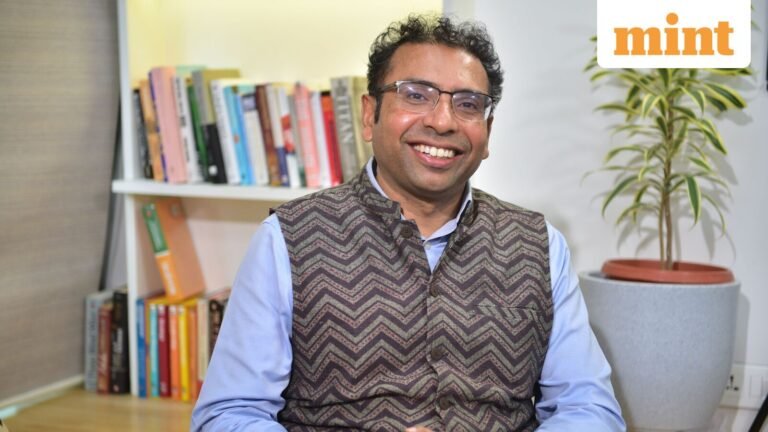
“One of the biggest challenges of owning a vehicle in Indian cities today begins even before you start the engine: finding a safe place to park it,” said Bikash Choudhary, CEO, FatakSecure.
He shared his views on parking-related risks, their impact on motor insurance claims, what comprehensive policies cover, and whether parking affects premiums.
Why is parking becoming a bigger risk?
According to the VAHAN Dashboard, India has more than 24 crore registered motor vehicles. As vehicle ownership rises, parking infrastructure has struggled to keep pace. Cars are often left on busy roads when residential parking is full, while two-wheelers may be parked in open lots during the monsoon.
This means vehicles can spend long hours in spaces that were not necessarily designed to accommodate them. This is where insurance begins to intersect with urban infrastructure.
A vehicle does not have to be moving to suffer damage. Cars can get scratches or dents when another vehicle tries to squeeze through a narrow lane. Theft, vandalism, and extreme weather can add to these risks.
Are floods making parked vehicles more vulnerable?
During this year’s monsoon, insurers in Pune reported a sharp increase in motor insurance claims after heavy rainfall left several vehicles submerged in waterlogged areas.
A year earlier, flooding in Kolkata damaged more than 2,000 parked vehicles, with surveyors estimating that nearly 500 vehicles were beyond repair, leading to losses exceeding ₹50 crore.
The General Insurance Council has also highlighted an increase in motor claims following major flood events across the country. More recently, IRDAI advised insurers to expedite claims arising from floods in Assam, recognising the need for timely support to affected policyholders.
Does insurance provide cover for a parked vehicle?
Not all motor insurance policies offer the same protection. A third-party policy is mandatory, but it covers only liabilities towards third parties, i.e., damage caused by your car to another’s vehicle, property, or life.
However, comprehensive motor insurance generally covers damage to your own vehicle in incidents such as:
- Flooding
- Theft
- Vandalism (Intentional damage)
- An object falling on the vehicle while parked
However, coverage remains subject to the specific policy’s terms and conditions.
Does roadside parking increase insurance premium?
No. Premiums do not generally vary based on the type of parking. Motor insurance premiums are calculated using several factors, including:
- Car model
- Insured value
- Claims history
- Location
- Type of cover selected
Similarly, claim settlement depends on whether the specific loss is covered under the policy and whether the required documentation and claim procedure have been followed—not simply on where the vehicle was parked.
Parking-related claims under comprehensive insurance can be settled if the damage is covered by the policy and the policyholder has provided accurate information to the insurer. Claims may not be accepted if there is evidence of malicious intent or deliberate negligence that caused the damage.
How can vehicle owners reduce parking-related risks?
Insurance provides a financial safety net, but prevention can help reduce both inconvenience and losses.
- Park in designated areas wherever possible.
- Avoid low-lying locations during heavy rain.
- Stay away from old trees that could fall during storms.
- Avoid parking near construction sites where falling objects could cause damage.
- Review your insurance coverage every year to understand what is covered.
Disclaimer: This is meant for informational purposes only. The views and recommendations expressed above are those of the individual expert. Please consult a qualified expert before making any financial decisions.