Is UPI ending free payments? Here’s what Finance Minister Sitharaman said | Personal Finance
For users, this means there is currently no change to the way they pay a shopkeeper, transfer money or make other UPI payments.
The concern stems from The Taxation and Other Laws (Amendment) Bill, 2026, which was returned by the Rajya Sabha to the Lok Sabha after a voice vote on Monday, completing the parliamentary process, PTI reported.
The Bill proposes an amendment to Section 10A of the Payment and Settlement Systems Act, 2007. However, Sitharaman said the provision is enabling in nature and does not itself impose a tax or transaction charge on UPI payments.
The proposed framework will allow the government to specify, through notification, which electronic payment modes or transactions should continue to receive statutory protection from charges.
Sitharaman said no MDR framework has been finalised yet. If one is considered, the UPI and Services Steering Committee headed by NPCI would decide whether MDR should be introduced and determine its scope and structure, PTI reported.
Based on the government’s latest clarification, there is no proposal at present to charge consumers for making UPI payments.
Sitharaman said UPI has remained free for consumers since its launch in 2016 and that consumers would continue to make instant digital payments without paying a transaction charge, according to PTI.
Currently, banks and payment system providers cannot directly or indirectly charge users for UPI payments. The proposed amendment creates a mechanism through which the government can decide which electronic payment modes or transactions must remain free.
It does not mean that a UPI user will suddenly see a convenience fee added to a ₹100 payment.
This is where the proposed change could eventually have an impact.
This means a possible future MDR regime would not necessarily cover every UPI transaction.
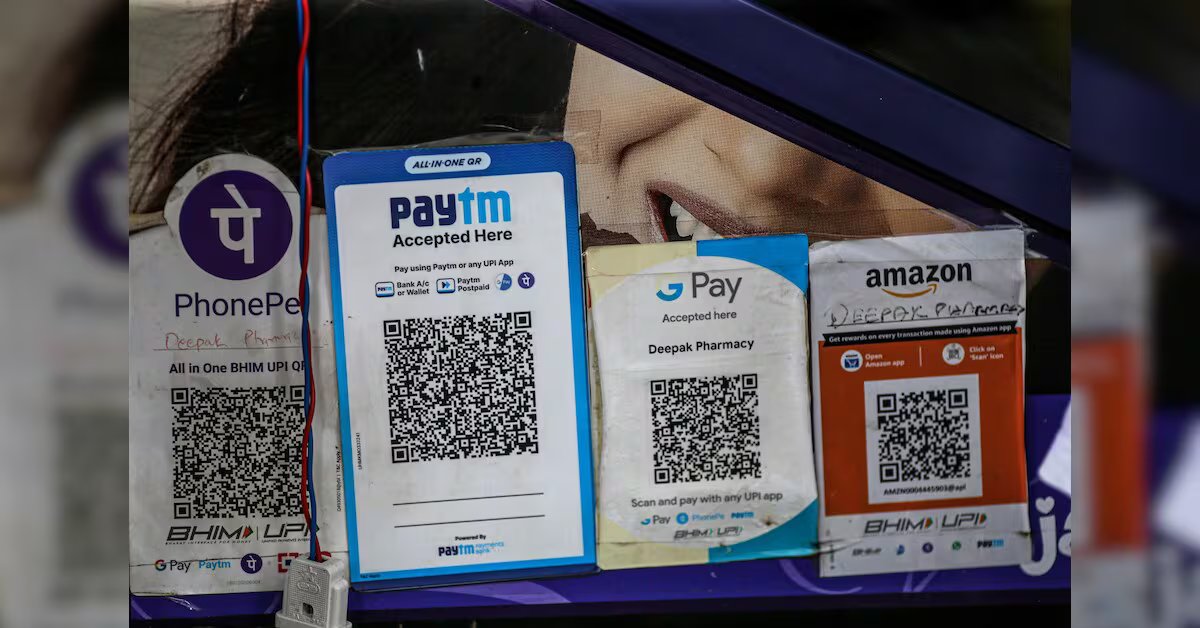
For consumers, the immediate experience should therefore remain unchanged. A customer buying groceries from a neighbourhood shop or paying a roadside vendor through UPI would not be expected to pay an additional UPI charge merely because the legislation enables the government to create a future framework.
The exact threshold, categories and rates, however, have not been decided.
For most users, there is no immediate financial impact.
If you use UPI to:
-
Pay at local shops -
Send money to another individual -
Pay for everyday purchases
The government has said these transactions will continue to remain free for consumers.
The more important issue is what happens to the economics of UPI payments in the future. If MDR is introduced for selected merchant categories, businesses and payment ecosystem participants may have to absorb that cost or potentially factor it into their pricing decisions.
But that is a future possibility, not a charge that has been announced for consumers.
UPI’s scale makes the issue important
The government’s reluctance to impose a broad consumer charge is significant because UPI has become deeply embedded in India’s everyday payments system.
According to figures cited by Sitharaman and reported by PTI, India processed 2,366 crore UPI transactions worth Rs 29.9 trillion in July 2026.
The Finance Minister also highlighted the role of small merchants, including street vendors, in UPI’s expansion and financial inclusion.
That is why any move affecting the cost of UPI could have a wider impact than simply changing the price of a digital payment. For millions of small businesses and consumers, UPI has effectively replaced cash for routine transactions.
What should UPI users watch now?
The important point is that the Bill does not introduce a UPI fee for consumers.
The next issue to watch is whether the government eventually notifies any categories of transactions for MDR and what framework NPCI’s UPI and Services Steering Committee recommends.
Until that happens, consumers should not assume that a new charge is coming for their routine UPI payments.
In short, the proposed legal change creates the possibility of a future MDR framework for specified transactions, but it does not end free UPI payments for consumers today.