
Stablecoins need more than an act of Congress to get clarity
It’s not looking particularly good for
Processing Content
But even if the act ever does get voted on, and approved, and signed into law, that is just the beginning. Banks, naturally enough, don’t really want to have to compete with these crypto upstarts, but we can do a back-of-the-envelope competitive analysis
Technology has materially lowered the threat of new entrants to banks, but regardless of the specific provisions in the final bill, any legislation actually raises the barriers to entry. The original cryptocurrency, bitcoin, is open source software. Anybody can take the code and copy it. Anybody can make their own digital money. Previously, this was how all these fly-by-night crypto outfits got started. But now if you want to offer a stablecoin, you’re going to have to abide by U.S. law. Which at the very least means you’re going to have to hire a couple of lawyers. It’s a pretty low barrier to entry, but it is a barrier.
The bargaining power of suppliers isn’t a constraint because all the code is open sourced and free to take. Ostensibly the customer has substantial bargaining power here because it’s pretty easy to move money. You don’t even need to march into your local branch anymore. But the reality is that people tend to be pretty lazy about this. Nearly 60% of the average bank’s deposit base
In general, you’d think that the competition between banks and cryptos would be high. The barriers to entry are manageable, the bargaining power of customers is high, the bargaining power of suppliers is low. There are two other angles to consider.
The real problem for the stablecoin issuers is that they have virtually no use outside of trading cryptocurrencies. A McKinsey analysis concluded that
In other words, nobody uses stablecoins for anything outside of trading crypto. Moreover, there are really only two that matter, Tether’s tether and Circle’s USDC. Those two comprise about $250 billion of the $300 billion of stablecoins in circulation. They aren’t “money” in any real sense.
Money is a legal framework. What makes money work is a recognized authority, a king or a legislature, giving it value. Bitcoin was expressly an attempt to upend this. Bitcoin’s whole point was to create a monetary system that didn’t rely on trust, that didn’t rely on a third party. Bitcoin failed to become useful as money, but it did show that a new form of money could exist. So, yeah, stablecoins could be money. But right now they are not.
Read more:
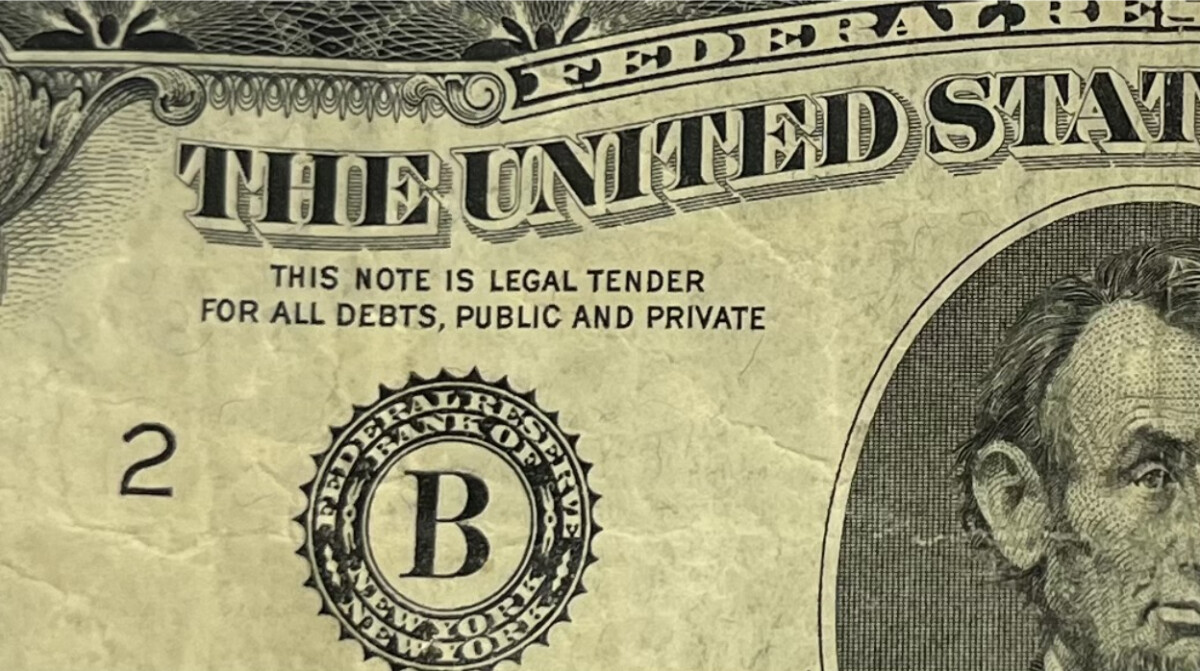
The problem is that no matter what provisions actually end up in the final legislation, I guarantee the bill will not accept the only 11 words that really matter: “This note is legal tender for all debts, public and private.” And even that overstates it, because the issue isn’t legal-tender status; it’s just making stablecoins exchangeable and transferable with other forms of money. Until the Federal Reserve affirms the “moneyness” of stablecoins,
In other words, even if a pliant Congress gives some legal cover to stablecoins, even if issuers can offer yield, they will struggle until the Fed takes them seriously. The playing field still isn’t even. And the banks are using this tilt to make their